What Are the Most Important Lessons in Investing?
TL;DR
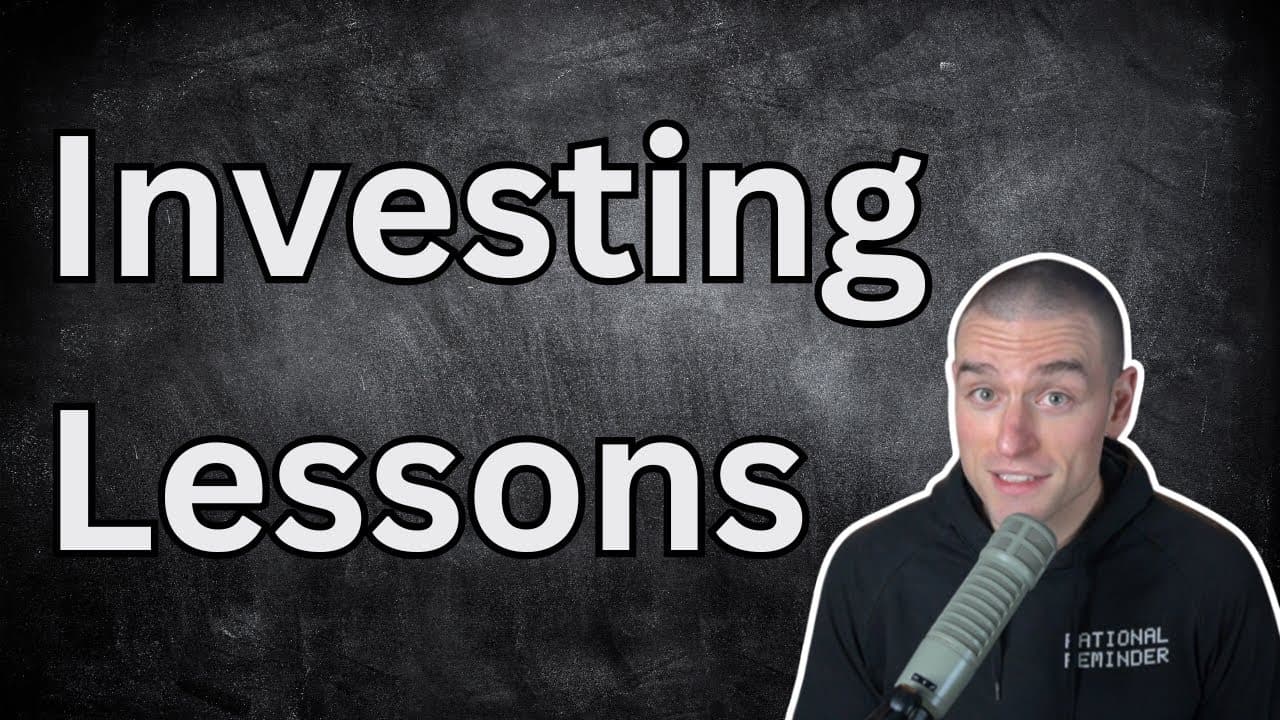
Investing is simpler than it looks: diversify, stay invested, and keep costs low. The market is forward looking and timing rarely works. Most funds fail to beat the market, incentives shape information, and a plan aligned with your goals beats clever bets.
Transcript
over the last 10 years I've spoken to thousands of individual investors about their Investments and financial plans while working at pwl Capital and I've interviewed some of the smartest people in finance economics and psychology on the rational reminder podcast the lessons I've learned from those experiences are hard to condense down into a single... Read More
Key Insights
- You’re not that smart relative to the market, even highly intelligent individuals cannot consistently beat the market as a whole because competition is aggregate and information is distributed.
- This time is always different, crashes and bubbles recur, but post crash returns are often positive and new tech bubbles tend to disappoint in the long run.
- The market is forward looking, constantly predicting the future, and participants rush to reveal information, yet no single participant has complete information at any time.
- Market forecasts are not useful; they are often wrong and relying on them may increase anxiety and reduce decision quality.
- Time in the market beats timing the market; sticking to a disciplined strategy after costs and taxes generally yields better outcomes than trying to time entry or exit.
- Most funds do not beat the market; successful funds today are not a reliable predictor of future success, and chasing past winners often leads to underperformance.
- Incentives matter; content creators, salespeople, and advisors may shape information and recommendations based on what benefits them, so investors should critically evaluate motivations behind financial advice.
- Expected economic growth and stock returns are unrelated in simple terms; higher growth is priced in and outcomes depend on surprises, so tracking growth alone does not guarantee higher returns.
- Good portfolio management does not make up for bad financial planning; investing is a tool for goals, but it cannot substitute a comprehensive plan that includes saving, insurance, taxes, and estate planning.
Install to Summarize YouTube Videos and Get Transcripts
Explore YouTube Video Summarizer or Get YouTube Transcript Extractor
Questions & Answers
Q: What is the main takeaway about market efficiency and beating the market?
The main takeaway is that you are not that smart relative to the market because competition is aggregated, information is costly, and no single investor can access all relevant data at once. Even if you are smart, beating the market consistently is unlikely, so focus should be on sound process, broad diversification, and low costs rather than trying to outguess market moves.
Q: Why is timing the market generally not a successful strategy?
Timing the market fails because time in the market tends to outperform attempts to time it, especially after considering costs and taxes. Markets are forward looking and reflect information quickly, so trying to predict short term movements usually leads to missed compounding and lower long term returns, making a disciplined, long term approach preferable.
Q: What does the video say about fund performance relative to the market?
The video emphasizes that most funds do not beat the market over any time horizon, and funds that have performed well in the past are not reliable indicators of future success. This implies that investors should be cautious about chasing past winners and instead focus on low costs and diversification.
Q: How do incentives influence financial information and advice?
Incentives matter because content creators, salespeople, and financial advisors have different motivations that can color the information they present. Investors should be aware that recommendations may be designed to sell products or attract clients, and should critically evaluate the underlying data and risk disclosures before acting.
Q: What is the relationship between risk and expected returns?
Risk and expected returns are positively related; to pursue higher expected returns you must be willing to take on more risk. Conversely, claims of high returns with no risk should be viewed skeptically, as risk is fundamental to achieving greater expected returns over time.
Q: Why is diversification described as the only free lunch in investing?
Diversification is called the only free lunch because it reduces return variance, i.e., risk, without necessarily reducing expected returns. It allows investors to manage uncertainty and avoid concentrated bets that could lead to large losses, making it a cost effective strategy for most investors.
Q: What does the video say about the role of financial planning?
The video argues that good portfolio management does not substitute for bad financial planning, stressing that investing is a means to financial goals but must be integrated with savings plans, insurance, tax considerations, and estate planning to be effective over the long term.
Q: Is there any truly passive investment according to the video?
There is no truly passive investment, as every investment involves some active decisions and management. The video describes a spectrum from passive to active, but all investments require thoughtful choices, and understanding these decisions is essential for long term success.
Summary & Key Takeaways
-
A concise synthesis of the video asserts that investors should focus on long term strategies, low costs, diversification, and avoiding overconfidence in forecasting, since markets price in information and outcomes are uncertain.
-
The content emphasizes that outcomes depend on process, risk, and discipline, not on flashy bets, and that a well designed plan tied to personal goals is essential for progress.
-
The video concludes that investing success is about sticking with a simple, low cost strategy and distinguishing good information from incentives that may distort market perceptions.
Read in Other Languages (beta)
Share This Summary 📚
Summarize YouTube Videos and Get Video Transcripts with 1-Click
Try YouTube Summary with ChatGPT & Claude or YouTube Transcript Generator
Explore More Summaries from Ben Felix 📚


Summarize YouTube Videos and Get Video Transcripts with 1-Click
Try YouTube Summary with ChatGPT & Claude or YouTube Transcript Generator