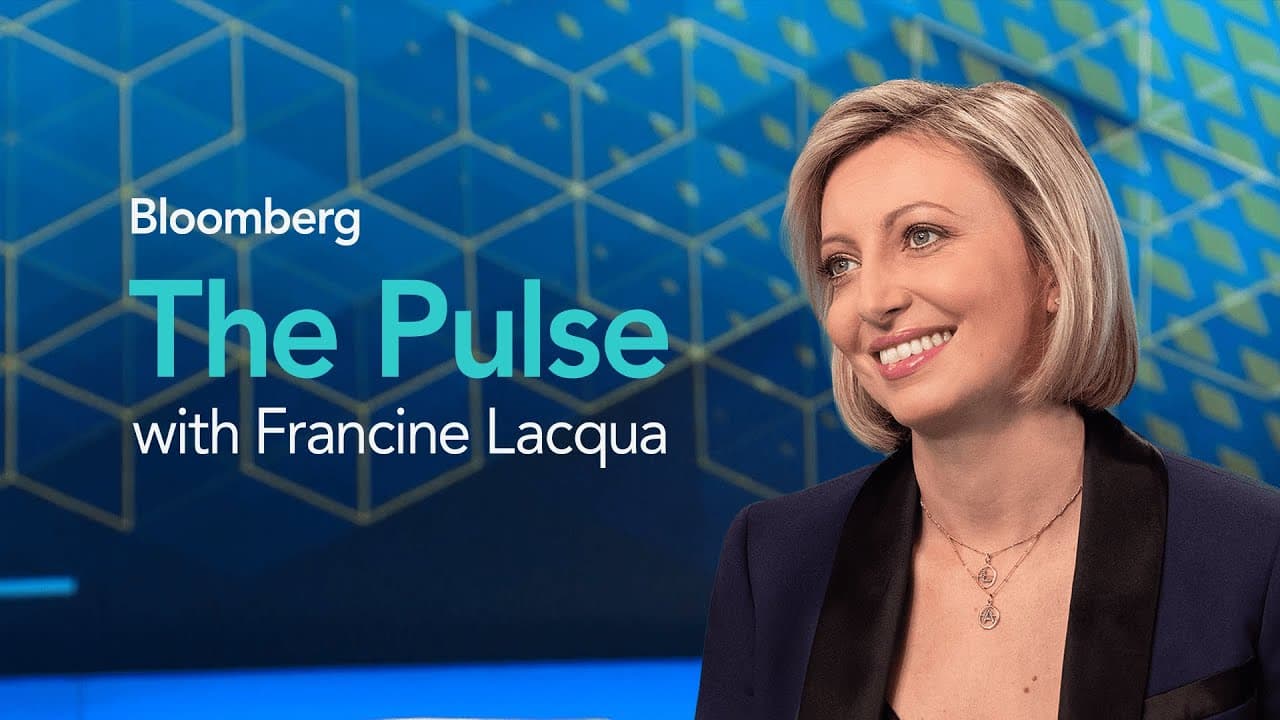
How Does Andy Burnham’s Win Pressure UK PM Keir Starmer, and Why Were US-Iran Talks Called Off? | The Pulse 6/19/2026
TL;DR
Andy Burnham’s comfortable special-election victory pressures UK Prime Minister Keir Starmer by returning a prominent Labour rival to Parliament with a potential route to the party leadership. Burnham called the result Labour’s final chance to change, while postponed US-Iran talks and cautious equity trading revealed wider political and market uncertainty. Read on for the voting patterns, fiscal constraints, ceasefire obstacles, and UBS market outlook.
Transcript
NEWSMAKERS AND MARKET MOVERS, THIS IS THE POLLS WITH FRANCINE LACQUA. FRANCINE: I AM FRANCINE LACQUA IN PARIS. U.K. PRIME MINISTER KEIR STARMER FACES NEW CALLS TO STEP DOWN AFTER ANDY BURNHAM COMFORTABLY WINS A SPECIAL ELECTION TO RETURN TO PARLIAMENT. THE U.S. VICE PRESIDENT DELAYS A TRIP TO SWITZERLAND AT FACE-TO-FACE TALKS WITH IRAN ARE POSTP... Read More
Key Insights
- Parliament changes Burnham’s position: Winning the special election does more than demonstrate electoral support. It returns Burnham to Parliament, giving a prominent Labour figure a practical platform from which to pursue the party leadership. That institutional change is why the result creates direct pressure on Starmer rather than merely registering voter dissatisfaction with the current government.
- Burnham framed the stakes sharply: Burnham did not present the victory as routine party success. He called it Labour’s final chance to change and said the party must hear and act on what people told him at hundreds of doorsteps. His warning that there would be no second chance made the speech an explicit demand for a new direction.
- Markets initially withheld judgment: Despite Burnham’s previous comments concerning bond investors, gilt markets were moving broadly in line with the rest of Europe. Investors appeared more focused on oil prices and were waiting to see what followed his victory. The immediate market response therefore reflected caution and uncertainty, not a decisive financial verdict on a possible change in UK leadership.
- Right-wing fragmentation helps Labour: The Conservatives secured less than 3%, while Reform’s vote was split with Restore. This division reduced the ability of Labour’s opponents to consolidate their support. It also gave Burnham a political argument that his leadership could capitalize on a fractured right and prevent Nigel Farage from reaching Number 10.
- Starmer’s unity message collided: Starmer congratulated Burnham and said voters had chosen Labour over the politics of division and hate. Yet Burnham immediately focused on what Labour must do next, with implications that the party should support him as leader. The contrast revealed why an electoral win for Labour could still become a damaging leadership event for Starmer.
- Fiscal conditions restrict change: A leadership replacement would not remove the UK’s underlying economic limitations. High debt, elevated interest rates, tepid growth, and rising debt-servicing costs leave little space for expansive policy. The broadcast identified the UK as having the highest borrowing costs among G7 nations, making fiscal room a central constraint on any incoming leader.
- Political legitimacy may be weaker: The discussion noted that a new leader could enter office without the elected majority enjoyed by the predecessor. That would add a political constraint to the country’s financial pressures. Even if a leadership contest produced a different policy direction, limited electoral authority could complicate the effort to implement it.
- Postponement did not end negotiations: The delayed Geneva meeting interrupted planned face-to-face talks about Iran’s nuclear program, but it did not automatically terminate the interim framework. The Swiss government confirmed postponement without initially giving a reason. The working assumption remained that the memorandum and its provisions continued while officials tried to restore the negotiating schedule.
- The 60-day process continued: Both sides had begun a 60-day countdown intended to turn the interim ceasefire into permanent peace. According to the discussion, that period continued despite the postponed meeting. This distinction matters because a missed negotiating date represented a setback, while the broader agreement still provided a temporary structure for diplomacy and de-escalation.
- Hormuz reopened only gradually: Reopening the Strait of Hormuz was one of the two main concessions identified in the discussion. Shipping movement had resumed, but only as a trickle. The limited activity showed that implementation had begun while also indicating that the passage had not immediately returned to unrestricted or fully normalized operations.
- Lebanon threatened durable peace: Israel had said it would not end hostilities against Hezbollah in southern Lebanon. Overnight clashes reportedly killed more than a dozen Lebanese people and four IDF soldiers. The continuing violence violated an important condition associated with the wider process and made Lebanon a clear sticking point in efforts to convert the interim arrangement into permanent peace.
- UBS retained constructive expectations: UBS remained positive on equities because of strong earnings, continuing artificial-intelligence investment, and an expectation that the Federal Reserve would keep rates on hold. Its outlook included AI capital expenditure approaching $1 trillion in 2028 and an S&P 500 base case of 8,200 by mid-2027, alongside an emphasis on diversification beyond concentrated US technology exposure.
Install to Summarize YouTube Videos and Get Transcripts
Explore YouTube Video Summarizer or Get YouTube Transcript Extractor
Questions & Answers
Q: How does Andy Burnham’s special-election win threaten UK Prime Minister Keir Starmer’s leadership?
Burnham’s comfortable victory returns a prominent Labour rival to Parliament, creating a practical route for a leadership challenge. He used his victory speech to call the result Labour’s final chance to change. That message directly questioned the party’s current direction under Starmer and intensified calls for the prime minister to step down. The threat comes from combining electoral success, parliamentary status, and an explicit demand for Labour to act differently.
Q: What did the special-election voting patterns show?
The Conservatives received less than 3% of the vote, Reform’s support was split with Restore, and the Green vote had largely collapsed. These results showed a fragmented opposition, particularly on the right. That fragmentation benefited Labour because competing parties divided votes that might otherwise have consolidated against it. It also supported Burnham’s claim that he could be Labour’s best option for stopping Nigel Farage from reaching Number 10.
Q: Why did Burnham describe the result as Labour’s final chance to change?
Burnham said the warning reflected what people had told him directly across hundreds of doorsteps. He argued that Labour must hear those voters, act on their concerns, and get its response right. By saying there would be no second chance, he presented the victory as a conditional opportunity rather than unconditional approval. The statement strengthened his case for changing the party’s direction and potentially its leadership.
Q: What economic problems would a new UK leader inherit?
A new leader would face high public debt, elevated interest rates, tepid growth, and sharply increasing debt-servicing costs. The UK was described as having the highest borrowing costs among G7 nations. These conditions limit how much fiscal policy could change, regardless of who leads Labour. The challenge could be harder for a successor who lacks the elected majority held by the predecessor.
Q: Why were the scheduled US-Iran talks in Geneva postponed?
The Swiss government confirmed that the planned Geneva talks had been postponed but initially gave no clarification about the reason. JD Vance had delayed his trip to Switzerland, where face-to-face negotiations over Iran’s nuclear program were scheduled. The delay disrupted the immediate diplomatic timetable. It did not, however, mean that the interim memorandum or its 60-day process had ended.
Q: What remained in effect after the US-Iran talks were postponed?
The memorandum signed Wednesday by President Trump was assumed to remain in effect. The 60-day period intended to transform the interim ceasefire into permanent peace also continued. Reopening the Strait of Hormuz had begun, with a trickle of shipping movement reported. These developments showed partial implementation of the agreement even though the scheduled face-to-face negotiations did not proceed.
Q: Why was Lebanon a sticking point in the peace process?
Israel had said it would not stop hostilities against Hezbollah in southern Lebanon. Overnight clashes reportedly killed more than a dozen Lebanese people and four IDF soldiers. That continuing violence conflicted with an important condition connected to the wider peace process. Lebanon therefore demonstrated why an interim US-Iran arrangement did not by itself resolve every active regional conflict.
Q: Why was UBS constructive on equities despite the uncertainty?
UBS cited strong earnings, sustained artificial-intelligence investment, and its expectation that the Federal Reserve would keep interest rates on hold. It projected AI capital expenditure approaching $1 trillion in 2028. Its base case placed the S&P 500 at 8,200 by mid-2027. At the same time, UBS emphasized diversification because concentrated exposure to US technology holdings could leave investors dependent on a narrow part of the market.
Summary & Key Takeaways
-
Markets begin cautiously: Global stocks ended a strong week cautiously as relief over the interim US-Iran peace deal gave way to concern about the significant hurdles to a lasting agreement. European markets were positive at the time of the broadcast, with attention focused heavily on oil prices. Stocks had also demonstrated resilience amid enthusiasm for artificial intelligence. In the UK, however, political attention shifted toward Andy Burnham after his comfortable special-election victory returned him to Parliament.
-
Burnham pressures Starmer directly: Burnham’s return created a practical path toward challenging Keir Starmer for Labour’s leadership and the UK’s top job. In his victory remarks, Burnham called the result his party’s final chance to change, citing what voters had told him across hundreds of doorsteps. He said Labour must listen, act, and get the response right because no second chance would follow. The victory immediately renewed calls for Starmer to step down and exposed Labour’s internal divisions.
-
Voting patterns strengthen Burnham: The Conservatives received less than 3% of the vote, while Reform’s support was divided with Restore and the Green vote had largely collapsed. This splintering of the right-wing vote benefited Labour and strengthened Burnham’s claim that he could stop Nigel Farage from reaching Number 10. Starmer congratulated Burnham and framed the result as a choice for Labour over division and hate, but Burnham’s leadership message undermined that appeal for unity.
-
Fiscal limits confront any leader: The discussion emphasized that any successor would inherit very little room for major fiscal action. The UK carries a high debt burden, elevated interest rates, tepid economic growth, and the highest borrowing costs among G7 nations. Debt-servicing costs had recorded their largest increase for any May in six years. Those constraints would be particularly difficult for a new leader arriving without the elected majority held by the predecessor, regardless of who ultimately controls Labour.
-
Delayed talks test the ceasefire: Planned face-to-face negotiations over Iran’s nuclear program in Geneva were postponed after JD Vance delayed his Switzerland trip. The Swiss government confirmed the postponement without initially explaining its cause, but the memorandum signed Wednesday by President Trump was assumed to remain effective. A 60-day process toward permanent peace continued, and limited shipping resumed through the Strait of Hormuz. Lebanon remained a major obstacle as deadly clashes continued between Israel and Hezbollah-related forces.
Read in Other Languages (beta)
Share This Summary 📚
Summarize YouTube Videos and Get Video Transcripts with 1-Click
Try YouTube Summary with ChatGPT & Claude or YouTube Transcript Generator
Explore More Summaries from Bloomberg Television 📚
Summarize YouTube Videos and Get Video Transcripts with 1-Click
Try YouTube Summary with ChatGPT & Claude or YouTube Transcript Generator