How to reach the Oak Island garden shaft tunnel
TL;DR
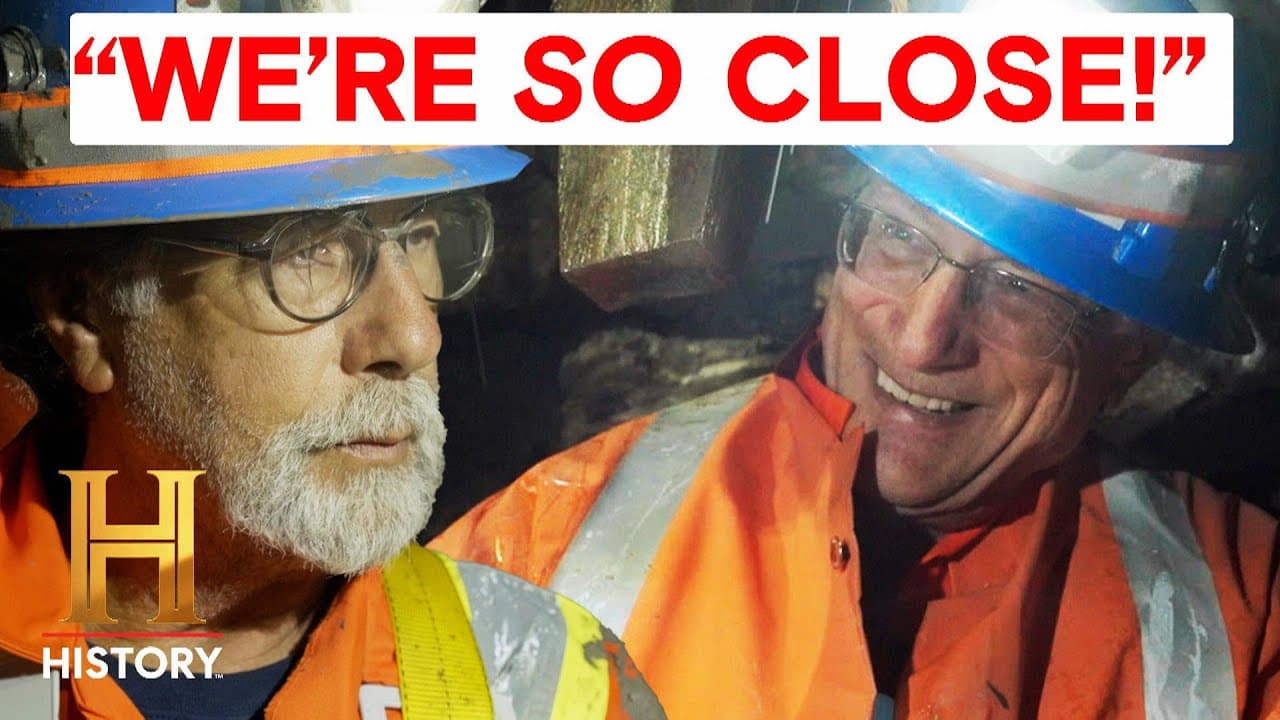
The crew extends the garden shaft and reaches about 95 feet, where they may have found a hollow wood beam indicating an underground structure. They plan to add another section to the shaft to keep digging toward the suspected tunnel, hoping to uncover a seven foot high passage and connect to earlier finds.
Transcript
The boys are calling you the Silver Fox. [narrator] Rick and Marty Lagina are about to join the operation to help Dumas reach the potential treasure tunnel located just below the garden shaft. What are we gonna do? Explain to us what we're gonna do. So, uh, we gotta excavate a bit more. -Gotta chip some of that clay. -Right. -And then put another... Read More
Key Insights
- The project centers on extending the garden shaft to reach a potential tunnel beneath the money pit area.
- Wood and hollow sounds below the clay are treated as possible evidence of a prehistoric or original tunnel.
- A pneumatic jackhammer and a three-ton hammer grab are used to remove hard clay and excavate material.
- The team references known features like round timbers associated with the original money pit as signals of authenticity.
- Findings suggest a seven-foot-high tunnel may exist toward the baby blob, guiding the dig deeper.
- The operation involves coordination between Lagina brothers and Dumas Contracting Limited, reflecting collaborative mining efforts.
- Skepticism and cautious interpretation accompany each tactile and acoustic cue to avoid assuming a tunnel without solid exposure.
- Emotional stakes are high, as opening the tunnel would potentially yield long-awaited historical answers.
- More videos from this channel:
- More from this channel: HISTORY
Install to Summarize YouTube Videos and Get Transcripts
Explore YouTube Video Summarizer or Get YouTube Transcript Extractor
Questions & Answers
Q: How to reach the expected tunnel beneath the garden shaft?
The process involves extending the garden shaft by adding sections and removing hard clay with a pneumatic jackhammer, followed by using a three-ton hammer grab tool to remove excavated materials. The goal is to loosen and expose a potential tunnel alignment, with careful probing to verify hollow spaces and wooden structures before proceeding deeper.
Q: What signals indicate there might be a tunnel down there?
Signals include the discovery of hollow wood soundings when striking beams, the presence of wooden beams down in the shaft, and round timbers aligned with the projection. These cues, combined with the feel of hollow sections and the geometry of the wood, raise the possibility of an underground passage connected to earlier work.
Q: Why is extending the shaft considered crucial in this scene?
Extending the shaft is crucial because it allows the team to access deeper layers where an original tunnel would reside. By adding more sections, they can gain a clearer view of the structure, verify the top of the tunnel, and move closer to uncovering the long-sought passage that could link to the money pit history.
Q: Who is involved in the excavation and what roles do they play?
Rick Lagina, Marty Lagena, and Scott Barlow collaborate on the excavation, with Paul guiding the process, jackhammering the clay, and Dumas Contracting Limited providing the hammer grab work. Their combined expertise, heritage in mining, and teamwork drive the exploration toward potentially historic discoveries.
Q: What is the significance of hollow wood in this investigation?
Hollow wood suggests the presence of a void or tunnel below, which could indicate a man-made structure rather than natural formation. Detecting hollow sections validates the hypothesis of an underground feature and justifies continuing the excavation to reveal its full dimensions and relation to the believed tunnel.
Q: What challenges do the miners face during excavation?
They face heavy clay, water intrusion, and the risk that wooden remnants may be obscured or collapsed. The equipment can jam or fail to break through the dense material, requiring careful probing, incremental digging, and structural assessment to determine if what is found is authentic tunneling or a modern obstruction.
Q: What would a successful uncovering imply for the project?
A successful uncovering would provide a tangible link to the original tunnel envisioned in the money pit narrative, potentially bringing answers after years of exploration. It could confirm historical hypotheses, direct further digging, and energize the team with a visible sign of progress toward the treasure mystery.
Q: How do the team members balance excitement with caution in this moment?
The team balances excitement with caution by validating each discovery through multiple signals, consulting with Paul for guidance, and planning incremental digging steps. They refrain from drawing firm conclusions until the tunnel is clearly exposed and verified, ensuring that each new layer aligns with the overall narrative and evidence.
Summary & Key Takeaways
-
The team advances the garden shaft and extends it several feet to probe deeper, aiming to locate a potential tunnel and evaluate wood indications found in the clay and beams.
-
The discovery of hollow wood and a possible beam supports the idea of an underground structure; further digging and probing are planned to verify the tunnel and its connection to the money pit history.
-
The scene emphasizes the emotional and historical stakes as the Laginas pursue a possible inching toward original work, anticipating answers after years of exploration and collaboration with contractors.
Read in Other Languages (beta)
Share This Summary 📚
Summarize YouTube Videos and Get Video Transcripts with 1-Click
Try YouTube Summary with ChatGPT & Claude or YouTube Transcript Generator
Explore More Summaries from HISTORY 📚


Summarize YouTube Videos and Get Video Transcripts with 1-Click
Try YouTube Summary with ChatGPT & Claude or YouTube Transcript Generator