What Are the Most Misleading Marketing Tactics?

TL;DR
Companies use recurring deceptive tactics like miracle weight-loss shoes, manhood-enhancing pills, and anti-aging creams that rely on digital retouching. Many faced lawsuits: Skechers paid a $40 million settlement over Shape-ups, Reebok paid $25 million over EasyTone, and the Q-Ray bracelet maker owed up to $87 million after the FTC sued over false pain-relief claims.
Transcript
like many men I was intrigued by the idea of mail enhancement but I wasn't going to take just any pill these ads might sound convincing but they're just too good to be true welcome to WM mod.com and today we're counting down our picks for the top 10 misleading marketing tactics I know this company I love this company we stand behind our products fo... Read More
Key Insights
- Weight-loss product claims rank as the most misleading tactic, with Skechers paying a $40 million settlement over Shape-ups shoes and Reebok paying $25 million over EasyTone shoes marketed to tone legs without a gym.
- Male enhancement supplements like Extenze relied on celebrity promoters including NASCAR drivers, NFL coaches, and porn star Ron Jeremy, yet the product led to a $6 million cash settlement for failing to deliver promised results.
- Beauty product ads use digital retouching to erase wrinkles, crow's feet, and laugh lines; a Twiggy anti-aging cream ad was banned by the Advertising Standards Authority because her wrinkles were removed by computer.
- The Q-Ray bracelet claimed to relieve arthritis pain instantly but had no scientific backing, and in 2008 the FTC forced the company to pay up to $87 million back to consumers it swindled.
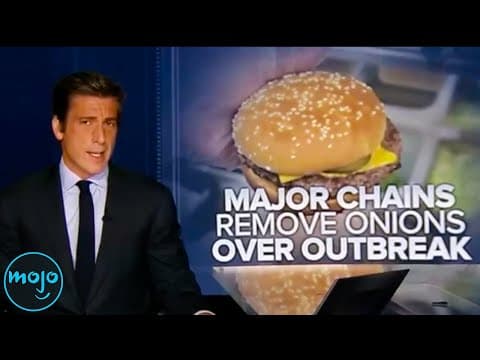
- Fast food and packaged food ads misrepresent products: Subway's $5 Footlongs fell short of 12 inches, and Taco Bell faced a lawsuit because its seasoned beef contained oats and was not 100% beef.
- Automakers Hyundai and Kia advertised exaggerated gas mileage on over 900,000 cars from 2011 to 2013, some off by as much as 6 miles, and reimbursed customers with prepaid debit cards including a 15% bonus.
- Dating sites like eHarmony promote unrevealed scientific matchmaking methods, and one of Britain's biggest dating companies admitted paying employees to create hundreds of fake profiles to fool people into paying.
- Food health claims are often unsubstantiated: Kellogg's Frosted Mini-Wheats claimed a 20% attentiveness boost and offered refunds, while vitamin water was accused of deceptively promoting itself as healthy.
Install to Summarize YouTube Videos and Get Transcripts
Explore YouTube Video Summarizer or Get YouTube Transcript Extractor
Questions & Answers
Q: What are the most misleading marketing tactics according to WatchMojo?
WatchMojo's top 10 misleading marketing tactics include dating sites promising easy love, fast food that doesn't match its photos, cars with exaggerated performance, miracle healing bracelets, get-rich-quick systems, products that look better in ads, male enhancement pills, all-natural food claims, anti-aging beauty products, and weight-loss items. The number one tactic is products promising fast weight loss, such as toning shoes.
Q: How much did Skechers and Reebok pay for their toning shoe claims?
Skechers' deceptive ad campaign for its Shape-ups shoes, marketed to help people lose weight and tone up without setting foot in a gym, resulted in a $40 million settlement in the US. Reebok was forced to pay $25 million to disappointed customers of its similar EasyTone shoes, which were promoted with 'balance ball inspired technology' for better legs.
Q: Why did the Q-Ray bracelet company have to pay refunds?
The Q-Ray bracelet, worn by over 1 million people, claimed to relieve arthritis pain as soon as customers put it on and to balance negative and positive energy forces. Because there were no scientific studies to back up these claims, the US Federal Trade Commission filed a suit, and in 2008 the company was told it must pay up to $87 million back to the consumers it swindled.
Q: What happened with Extenze male enhancement pills?
Extenze was marketed as a revolutionary pill that could increase the size of a certain male body part and boost pleasure, promoted with ads featuring NASCAR drivers, NFL coaches, and porn star Ron Jeremy. However, the male herbal supplement didn't give buyers the results they wanted, and users ended up involved in a potentially embarrassing $6 million cash settlement.
Q: How did Hyundai and Kia mislead customers about gas mileage?
From 2011 to 2013, over 900,000 cars between Hyundai and Kia were advertised with exaggerated gas mileage, with some figures off by as much as 6 miles. This was an expensive fib, as both companies were forced to reimburse customers for their extra gas using prepaid debit cards, with payment based on fuel price and miles driven plus a 15% bonus to make up for the inconvenience.
Q: Why do beauty product ads get banned for being misleading?
Beauty ads are misleading because of digital retouching that smooths skin and removes lines, crow's feet, and laugh lines entirely. Ads for Olay Definity eye cream with Twiggy and Lancome ads with Julia Roberts were called out by British authorities for adding to body image problems and misrepresenting products. One Twiggy anti-aging cream advert was banned by the Advertising Standards Authority because her wrinkles were removed by a computer.
Q: What was deceptive about Subway and Taco Bell's food advertising?
Subway's $5 Footlongs fell short of their promised 12-inch length, prompting a suit filed under the New Jersey Consumer Fraud Act alleging it was a deceptive practice to advertise the sandwich as a foot long. Taco Bell's seasoned beef prompted a lawsuit because the seasoning contained oats and the beef was not 100% beef, raising the question of where the beef actually was.
Q: Are all-natural and healthy food claims trustworthy in ads?
Many food health claims are mostly unsubstantiated or stretch the definition of terms like natural. Kellogg's Frosted Mini-Wheats claimed to improve kids' attentiveness by nearly 20%, but the cereal didn't boost immunity or attentiveness as promised, leaving Kellogg's offering refunds to customers who bought it in 2009. Vitamin water was also accused of deceptively promoting itself as healthy by claiming benefits like reduced eye disease risk.
Summary & Key Takeaways
-
WatchMojo counts down the top 10 misleading marketing tactics that repeat across many companies rather than single ads, covering dating sites, fast food, cars, wellness bracelets, get-rich-quick schemes, and product appearance exaggeration.
-
Health and body claims dominate the list, from Extenze male enhancement pills settling for $6 million to anti-aging creams using digital retouching, and the Q-Ray bracelet owing up to $87 million after the FTC sued.
-
The number one tactic is fast weight loss, with Skechers Shape-ups paying $40 million and Reebok EasyTone paying $25 million for claiming shoes could tone bodies and slim wearers without exercise.
Read in Other Languages (beta)
Share This Summary 📚
Summarize YouTube Videos and Get Video Transcripts with 1-Click
Try YouTube Summary with ChatGPT & Claude or YouTube Transcript Generator
Explore More Summaries from WatchMojo.com 📚





Summarize YouTube Videos and Get Video Transcripts with 1-Click
Try YouTube Summary with ChatGPT & Claude or YouTube Transcript Generator