Which Deaths Changed the Course of World History?
TL;DR
Certain deaths redirected history by removing leaders at moments of political instability, military expansion, social reform, or peace negotiations. The executions and assassinations covered here helped end dynasties, accelerate wars and revolutions, fracture movements, halt invasions, weaken peace efforts, and create enduring debates about how differently events might have unfolded.
Transcript
The Arch Duke has inadvertently made himself a target for assassination. Welcome to Watch Mojo and today we're looking at individuals who each change the course of history by meeting an untimely demise. When the world sleeps, India will awake to life and freedom. Zar Nicholas II of Russia. It's one thing to just fall from power. It's another to get... Read More
Key Insights
- Nicholas II's execution symbolized both the end of the Romanov dynasty and Imperial Russia's collapse. The account presents his death as a decisive shift toward Soviet power, a century of totalitarian rule, and Cold War paranoia rather than a possible constitutional monarchy.
- Gregory XI's death left the restored Roman papacy without the leader who hoped to stabilize the city. Competing elections subsequently produced multiple papal courts, beginning the Western Schism and breaking the appearance of unity within the Catholic Church for decades.
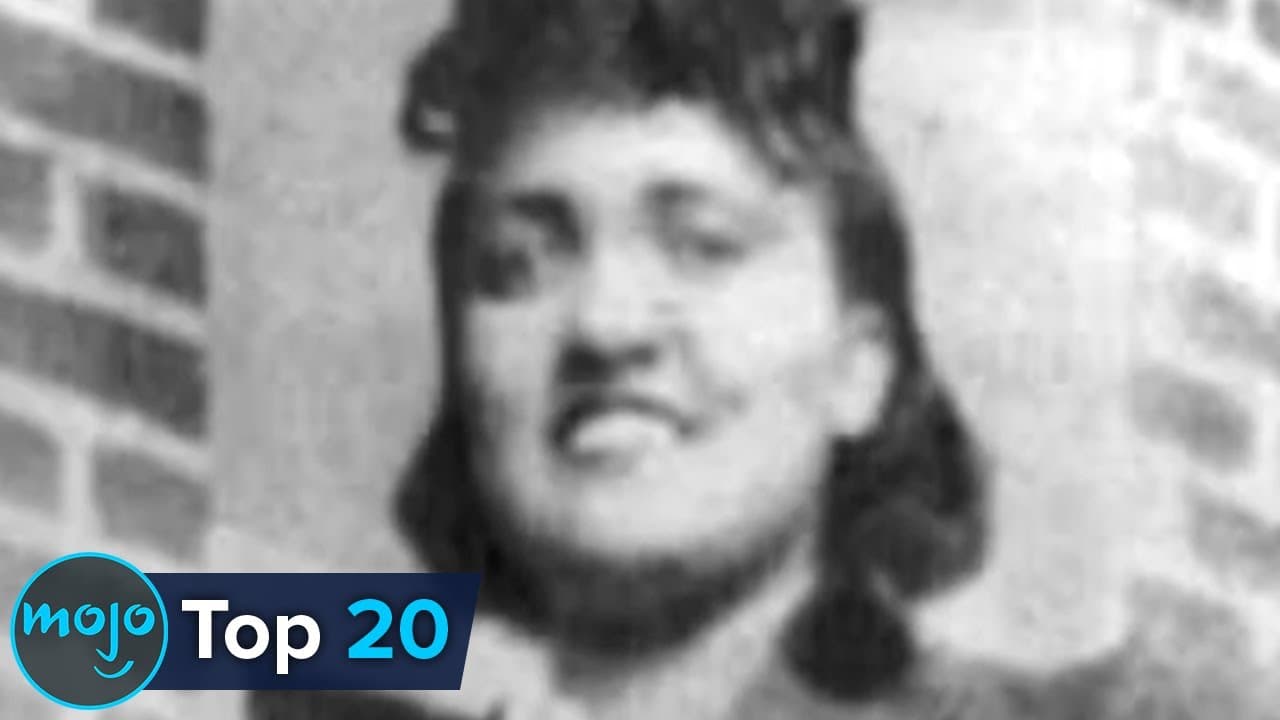
- Henrietta Lacks's tumor cells became the first immortal human cell line after doctors collected them without her knowledge or consent. Named HeLa, the cells supported research involving polio vaccines, gene mapping, cancer drugs, IVF, and COVID, while raising profound ethical concerns.
- Attila's sudden death on his wedding night caused the Hunnic Empire to fracture almost immediately. Germanic tribes previously held together by fear turned against one another, changing the regional balance of power and potentially delaying a different or earlier fall of the Western Roman Empire.
- Louis XVI's execution made the French Revolution effectively irreversible and demonstrated that a king could be tried, convicted, and killed by his own people. His death alarmed European monarchs, encouraged revolutionaries, contributed to continental war, and preceded republics, terror, and Napoleon's rise.
- Ögedei Khan's death stopped a Mongol advance into central Europe because commanders withdrew to participate in choosing a new great khan. The withdrawal spared Europe from an army described as having reached Vienna and interrupted one of history's most powerful campaigns.
- Yitzhak Rabin's assassination weakened the fragile peace process created by the Oslo Peace Accords. His death removed a leader portrayed as having the credibility and determination to pursue a two-state solution, while mistrust and political divisions deepened across the region.
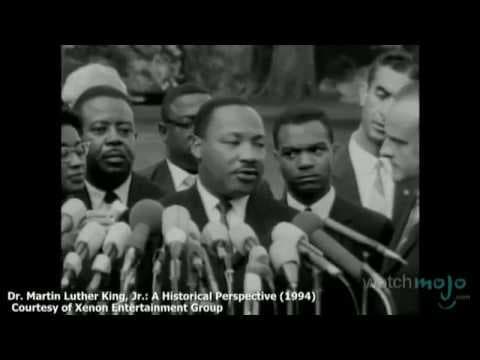
- Martin Luther King Jr.'s assassination triggered grief, rage, and urban unrest across America. His removal deprived the civil rights movement of a prominent advocate for nonviolence, economic justice, and multiracial solidarity, contributing to fragmentation and the growing influence of more radical voices.
Install to Summarize YouTube Videos and Get Transcripts
Explore YouTube Video Summarizer or Get YouTube Transcript Extractor
Questions & Answers
Q: How did Nicholas II's death change Russia?
Nicholas II's execution in a basement with his family marked the end of the Romanov dynasty and symbolized the destruction of Imperial Russia. The account argues that his death eliminated a possible path toward constitutional monarchy and helped set the stage for Soviet power, totalitarian rule, and the Cold War paranoia that followed.
Q: Why did Gregory XI's death contribute to the Western Schism?
Gregory XI returned the papal court from Avignon to a Rome troubled by turbulence and civil unrest, but he died before restoring order. Romans demanded an Italian pope, French cardinals elected a rival, and a council at Pisa later selected a third. These competing courts created the Western Schism and shattered the Catholic Church's appearance of unity.
Q: How did Henrietta Lacks's cells transform medical research?
Doctors treating Henrietta Lacks for cervical cancer took tumor samples without her knowledge or consent. Her cells survived indefinitely in laboratories and became the first immortal human cell line, called HeLa. Researchers used them in work involving polio vaccines, gene mapping, cancer drugs, IVF, and COVID, even though her family initially knew nothing about their use.
Q: Why was the use of Henrietta Lacks's cells ethically controversial?
Henrietta Lacks did not know that doctors had taken samples from her tumor, and she never consented to their continued use. Her family remained unaware for years while the cells circulated worldwide and contributed to research. Once revealed, the story forced medicine to confront consent violations, racial exploitation, and profits derived from powerless patients.
Q: How did Attila the Hun's death affect his empire?
Attila died suddenly on his wedding night, reportedly after a nosebleed while too drunk to awaken. Without his leadership, the Hunnic Empire fractured almost immediately, and Germanic groups formerly united by fear turned against one another. His death altered the regional balance and may have delayed an earlier or substantially different collapse of the Western Roman Empire.
Q: Why was Louis XVI's execution a turning point in the French Revolution?
Louis XVI's execution placed the French Revolution beyond an important point of return because his own people tried, convicted, and killed their king. The event rejected the divine right of kings, frightened monarchs across Europe, encouraged revolutionaries, and contributed to war. France subsequently experienced republics, the Reign of Terror, and Napoleon's emergence.
Q: How did Ögedei Khan's death stop the Mongol advance in Europe?
Ögedei Khan died just as Mongol armies had advanced through Russia and central Europe to the gates of Vienna. Mongol law required the generals to withdraw and participate in electing a new great khan. Their departure halted the campaign and spared Europe from an invasion that the account says might have succeeded had Ögedei lived longer.
Q: How did John F. Kennedy's assassination affect American politics?
John F. Kennedy's assassination in Dallas ended a presidency associated with youth, charisma, and hope, while televised coverage shocked the world. His death preceded greater American involvement in Vietnam, harsher resistance to civil rights progress, and declining trust in government. It also transformed Kennedy into a lasting political myth and generated debate about policies he might have pursued.
Summary & Key Takeaways
-
The deaths of rulers such as Nicholas II, Louis XVI, Attila, and Ögedei Khan changed political and military trajectories. Their departures marked the collapse of established authority, intensified revolutionary change, fractured empires, or stopped campaigns that might otherwise have reshaped Europe and the wider balance of power.
-
Assassinations in the modern era removed influential leaders during periods of conflict and reform. John F. Kennedy's murder preceded deeper American turmoil, Yitzhak Rabin's assassination weakened Israeli-Palestinian peace efforts, Ngo Dinh Diem's death destabilized South Vietnam, and Martin Luther King Jr.'s murder fractured the civil rights movement.
-
Other deaths produced institutional, scientific, and ethical consequences. Gregory XI's death preceded the Western Schism, while Henrietta Lacks's tumor cells became the first immortal human cell line and supported major medical research. Her story also exposed failures involving consent, racial exploitation, family notification, and profit from powerless patients.
Read in Other Languages (beta)
Share This Summary 📚
Summarize YouTube Videos and Get Video Transcripts with 1-Click
Try YouTube Summary with ChatGPT & Claude or YouTube Transcript Generator
Explore More Summaries from WatchMojo.com 📚





Summarize YouTube Videos and Get Video Transcripts with 1-Click
Try YouTube Summary with ChatGPT & Claude or YouTube Transcript Generator