Office Hours: Who Should You Mentor, Why Is Bankruptcy Stigmatized, and Do You Need Marriage and Kids?
TL;DR
Marriage and children are not required for happiness, mentorship should focus on young people who genuinely need guidance, and bankruptcy can offer a legitimate second chance. Scott mentors two to three struggling young men at a time and urges more men to join Big Brothers programs, while emphasizing that serious distress requires professional help. Read on for practical mentoring boundaries, bankruptcy insights, and his personal perspective on parenthood.
Transcript
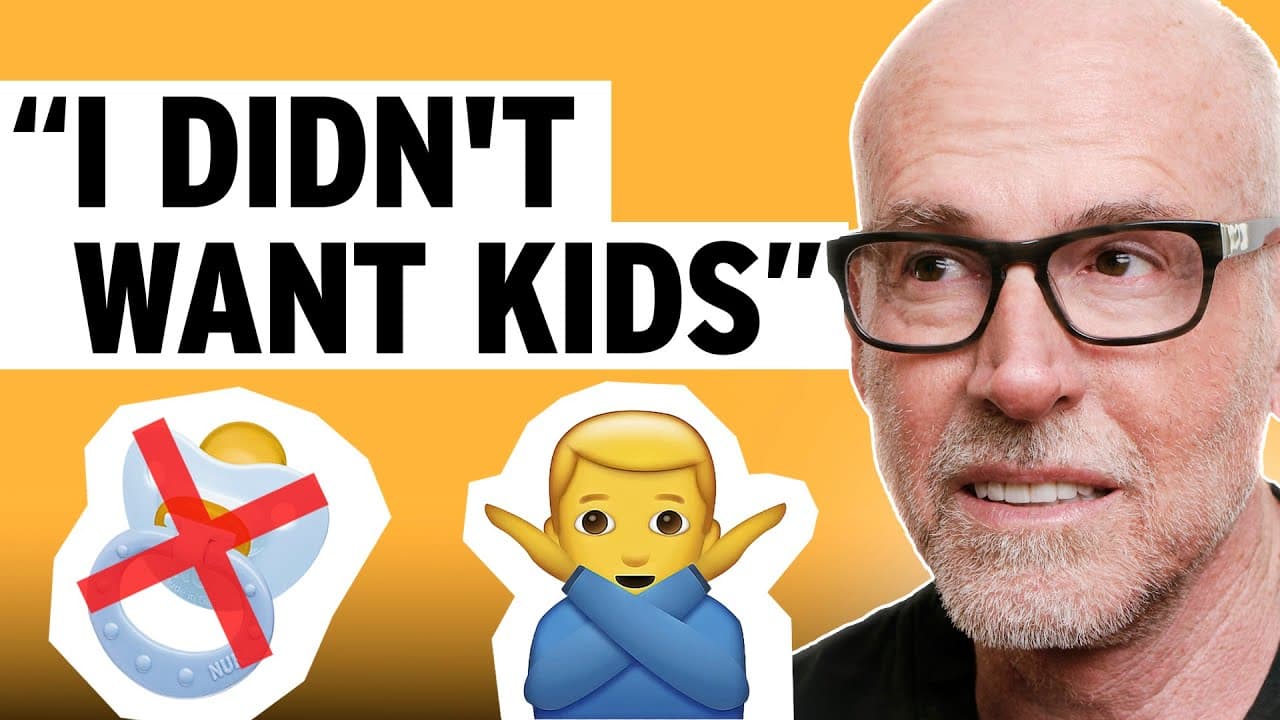
I'm not one of these people that thinks you have to get married and have kids to be happy. I just don't think that. Especially the having kids part. I didn't want kids. I liked my life. And then something strange happens when you have kids. God reaches into your soul and turns on a switch and you just kind of are in love with these things. In today... Read More
Key Insights
- Effective mentorship is targeted toward people who are genuinely struggling, rather than high-achieving graduates who already possess strong credentials and professional opportunities. Scott believes successful young people may benefit from advisers, but they are also positioned to become mentors themselves instead of receiving scarce mentoring attention.
- Young people often listen more readily to adults who are not their parents. Scott describes resistance to parental advice as a healthy part of developing an independent identity, which is why he deliberately gives his own sons opportunities to spend time with other men who may communicate the same guidance.
- A practical mentoring relationship can begin through ordinary shared activities. Scott suggests spending an afternoon washing a car, attending a ball game, or simply hanging out, because a mentor does not need exceptional status or elaborate programming to provide attention, perspective, and useful guidance.
- A mentor's responsibility includes recognizing the boundary between coaching and professional care. When Scott sensed that a young woman was experiencing serious distress, he declined to diagnose her and told her father that she appeared to need help from someone qualified in adolescent mental health.
- Male mentors are less available than female mentors in the New York Big Brothers and Big Sisters programs described. Scott says three times as many women apply to be Big Sisters as men apply to mentor boys, despite his view that struggling young men can benefit substantially from consistent adult attention.
- Bankruptcy is a feature of the American approach to risk because it permits debt relief and a fresh start after failure. Scott argues that the United States does not celebrate failure, but tolerates it sufficiently to let individuals and companies recover, reorganize, and pursue later opportunities.
- Corporate bankruptcy can preserve an underlying business while restructuring an unhealthy balance sheet. The process may wipe out equity holders, convert some debt into equity, remove burdensome obligations such as unsuccessful store leases, and allow new capital to support a leaner company with continuing economic value.
- Individual bankruptcy carries more moral stigma than corporate bankruptcy, even though both can address unsustainable debt. Scott identifies nondischargeable student debt as especially unfair because borrowers can accumulate six-figure obligations, leave college without a degree, and remain unable to clear that debt through bankruptcy.
Install to Summarize YouTube Videos and Get Transcripts
Explore YouTube Video Summarizer or Get YouTube Transcript Extractor
Questions & Answers
Q: How does Scott choose whom to mentor?
Scott usually mentors two to three young men at a time, particularly those who are struggling and need help making basic decisions. His choices are often situational: a friend asks, someone contacts him, or an email resonates with him. He generally does not mentor successful college graduates with strong opportunities because he believes they should be mentoring others.
Q: Why might teenagers listen to mentors more than their parents?
Scott says young people have a healthy instinct to establish identities separate from their parents, which can make them resist parental advice. Another trusted adult may deliver the same guidance and receive a better response. He therefore makes sure his 14- and 17-year-old sons spend time with other men.
Q: How can someone start mentoring a young person?
Scott suggests asking friends, colleagues, or single mothers whether a young person would like to spend an afternoon together. Mentoring can begin with ordinary activities such as washing a car, attending a ball game, or simply hanging out. He argues that a mentor does not need exceptional status to offer useful attention and guidance.
Q: When should a mentor recommend professional help?
A mentor should step back when a young person's difficulties appear to exceed the mentor's qualifications. After meeting a visibly anxious and uncomfortable young woman, Scott told her father that he was not an adolescent psychiatrist and would not diagnose her. He said she appeared to be seriously struggling and needed professional help.
Q: Why does Scott encourage more men to become mentors?
Scott believes struggling young men can benefit greatly from consistent attention and basic decision-making guidance. He says three times as many women apply to be Big Sisters in New York as men apply to mentor boys. His message is that men can add value even if they are not highly successful or parents themselves.
Q: Why is bankruptcy treated differently for individuals and corporations?
Bankruptcy is commonly accepted as a financial restructuring tool for corporations, but individuals often face personal shame for seeking the same kind of relief. Scott presents bankruptcy as part of an approach that permits recovery after failure. He also acknowledges that some stigma may discourage repeated use.
Q: How can corporate bankruptcy preserve a viable business?
Corporate bankruptcy can separate a useful operating business from debts and obligations that prevent it from succeeding. It may wipe out existing equity holders, convert debt into equity, remove unsuccessful store leases, and bring in new capital. These changes can leave a leaner company with continuing economic value.
Q: Do people need marriage and children to be happy?
Scott does not believe people must marry or have children to be happy, especially because he personally did not initially want children and liked his existing life. After becoming a parent, however, he experienced a powerful change and fell deeply in love with his children. His view distinguishes personal fulfillment from any universal requirement to marry or become a parent.
Summary & Key Takeaways
-
Scott chooses mentorship opportunities largely through personal circumstances, requests from friends, or messages that resonate with him. He focuses on struggling young men, particularly those raised by single mothers, because basic guidance from another adult can influence decisions that young people may resist when the same advice comes directly from their parents.
-
Mentors should understand the limits of informal guidance. Scott describes recognizing when a young person appeared deeply uncomfortable and immediately telling her father that she might need professional help. His preferred mentoring role is practical and bounded: helping someone make basic decisions without attempting to diagnose or treat serious psychological difficulties.
-
Bankruptcy is presented as a valuable mechanism for second chances and corporate reorganization. It can eliminate debts, convert debt into equity, remove unproductive obligations, and preserve viable operations. However, individuals experience greater moral stigma than corporations, while student borrowers face a particularly severe constraint because their educational debt cannot be discharged through bankruptcy.
Read in Other Languages (beta)
Share This Summary 📚
Summarize YouTube Videos and Get Video Transcripts with 1-Click
Try YouTube Summary with ChatGPT & Claude or YouTube Transcript Generator
Explore More Summaries from The Prof G Pod – Scott Galloway 📚




Summarize YouTube Videos and Get Video Transcripts with 1-Click
Try YouTube Summary with ChatGPT & Claude or YouTube Transcript Generator