Why Is Food Insecurity Rising After the Pandemic?
TL;DR
Food insecurity remains elevated because household costs have risen while pandemic-era support has declined and many families have not financially recovered. Central Florida's food bank still distributes about 250,000 meals daily, compared with 150,000 before the pandemic, while facing higher food and transportation expenses and growing demand from working families, seniors, and first-time clients.
Transcript
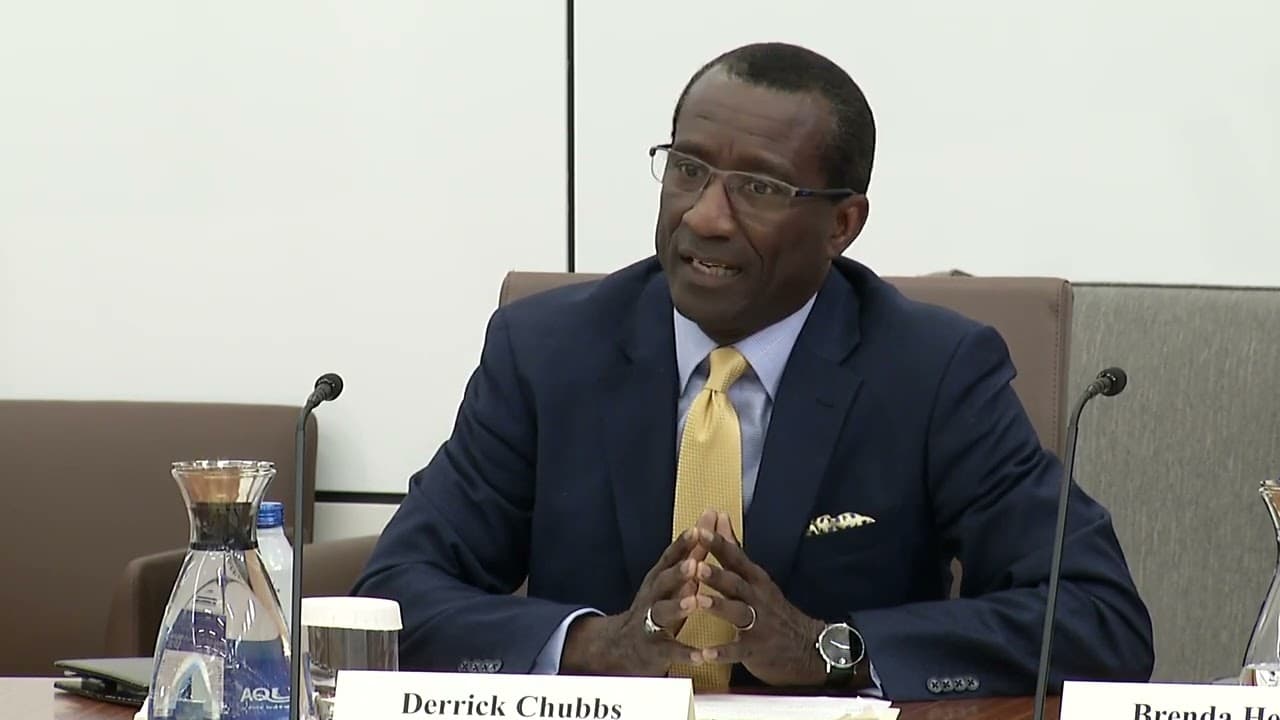
Transcript of Fed Listens: Transitioning to the Post-pandemic Economy Part 2 VICE CHAIR BRAINARD. And how they are experiencing the economy. And we've got representatives from four different community organizations. And so we'll have a chance to ask related questions to hear about the people that you work with. You know, just by stepping back for a... Read More
Key Insights
- Food insecurity remains substantially above its pre-pandemic level in Central Florida. Second Harvest distributed about 150,000 meals daily before the pandemic, reached 300,000 during the pandemic, and subsequently leveled off at approximately 250,000 meals per day.
- Inflation places a heavier burden on lower-income families because they spend three quarters of their income on necessities, more than twice the share spent by higher-income households. Rising food, fuel, and housing costs therefore leave them with little flexibility.
- Pandemic relief reduced immediate hardship through enhanced unemployment assistance, stimulus checks, childcare assistance, and homeowner support. As that support declined, households still recovering from unemployment and lost income encountered high inflation and renewed financial pressure.
- Food insecurity affects working families as well as unemployed or homeless people. Second Harvest serves households with employed adults, including some working multiple jobs, whose income is nevertheless insufficient to cover rising rent, food, and other necessities.
- Fixed-income seniors face increased hardship when inflation raises expenses without expanding available income. Some seniors are also supporting children or grandchildren, which forces the same limited income to cover more people while the cost of necessities continues rising.
- Food banks experience the same inflation and supply pressures affecting their clients. Second Harvest had spent $6 million on food by July, compared with about $2.5 million annually before the pandemic, while transportation costs had increased by 25 percent.
- Food bank supply depends on three principal sources: retail donations, food provided by the USDA, and direct purchases. Drought can reduce food obtained from farmers, increasing sourcing difficulties when demand and purchased-food costs are already elevated.
- First-time demand signals that food insecurity is reaching beyond households traditionally considered low income. Second Harvest reported a 40 percent increase in people seeking its services for the first time, including people who said they had previously been financially stable.
Install to Summarize YouTube Videos and Get Transcripts
Explore YouTube Video Summarizer or Get YouTube Transcript Extractor
Questions & Answers
Q: Why is food insecurity still high after the pandemic?
Food insecurity remains high because many households have not recovered from pandemic-related job and income losses, while enhanced unemployment assistance, stimulus payments, childcare assistance, and homeowner support have declined. At the same time, inflation has raised the cost of food, fuel, rent, and other necessities. Even employed families may exhaust their available money before the month ends.
Q: How does inflation affect lower-income families?
Inflation affects everyone, but it creates special burdens for lower-income families because they spend three quarters of their income on necessities, more than twice the share spent by higher-income people. When food, gasoline, and housing become more expensive, these households have fewer discretionary expenses to reduce and less financial capacity to absorb further price increases.
Q: How much food does Second Harvest distribute each day?
Second Harvest Food Bank of Central Florida distributes approximately 250,000 meals per day across six Central Florida counties. That level is below the pandemic peak of about 300,000 meals daily but remains far above the pre-pandemic level of roughly 150,000. The figures indicate that demand has declined from its emergency peak without returning to its earlier baseline.
Q: Who relies on food banks in Central Florida?
Food bank clients include working families, people holding multiple jobs, seniors living on fixed incomes, people experiencing homelessness, and families caring for children or grandchildren. Some households are combining with other families to make ends meet. The testimony emphasizes that hunger cannot be accurately associated only with unemployment, homelessness, or unwillingness to work.
Q: Why can strong employment coexist with food insecurity?
A strong job market does not guarantee that household income covers rapidly rising necessities. Overall wages had not kept pace with high inflation, even though lower-income workers experienced strong wage growth. Some working households were also still recovering from pandemic losses or repaying obligations. Rising rent and food costs could therefore overwhelm earnings, including incomes of $40,000 to $50,000.
Q: How has inflation affected food bank operating costs?
Second Harvest faces higher costs for both food and transportation. Before the pandemic, it spent approximately $2.5 million on food on an annualized basis, but by July it had already spent $6 million. Transportation costs had risen by 25 percent, which matters because the organization sends 22 trucks onto the road every morning to distribute food.
Q: Where do food banks obtain the food they distribute?
Food banks obtain food through three primary channels: donations from retail businesses, supplies provided by the government through the USDA, and food purchased directly by the organizations. They also source significant quantities from farmers. Drought can reduce agricultural availability, creating additional sourcing problems at the same time that demand, purchasing expenses, and transportation costs remain elevated.
Q: Are middle-class families seeking food assistance?
Middle-class households are increasingly appearing among people seeking food assistance. Second Harvest reported a 40 percent increase in individuals using its services for the first time. Some said they had been doing well only a few years earlier but now struggled to cover basic expenses, with their available money running out around the third week of the month.
Summary & Key Takeaways
-
High inflation is placing disproportionate pressure on lower-income families and people with fixed incomes. Lower-income households spend three quarters of their income on necessities, especially food and fuel. Although lower-paid workers have experienced strong wage growth, overall wages have not kept pace with inflation, leaving household budgets increasingly strained.
-
Pandemic assistance helped families through unemployment and income disruption, but enhanced unemployment benefits, stimulus payments, childcare assistance, and homeowner support have declined. Many households are still rebuilding depleted savings and paying accumulated obligations. Central Florida families report running out of money before the end of the month and combining households to manage costs.
-
Food banks face increased demand while their own operating expenses rise. Second Harvest distributes about 250,000 meals daily, down from the pandemic peak of 300,000 but well above the pre-pandemic level of 150,000. Food purchasing and transportation costs have increased, while donations, government supplies, and farm sourcing remain essential to operations.
Read in Other Languages (beta)
Share This Summary 📚
Summarize YouTube Videos and Get Video Transcripts with 1-Click
Try YouTube Summary with ChatGPT & Claude or YouTube Transcript Generator
Explore More Summaries from Federal Reserve 📚



Summarize YouTube Videos and Get Video Transcripts with 1-Click
Try YouTube Summary with ChatGPT & Claude or YouTube Transcript Generator