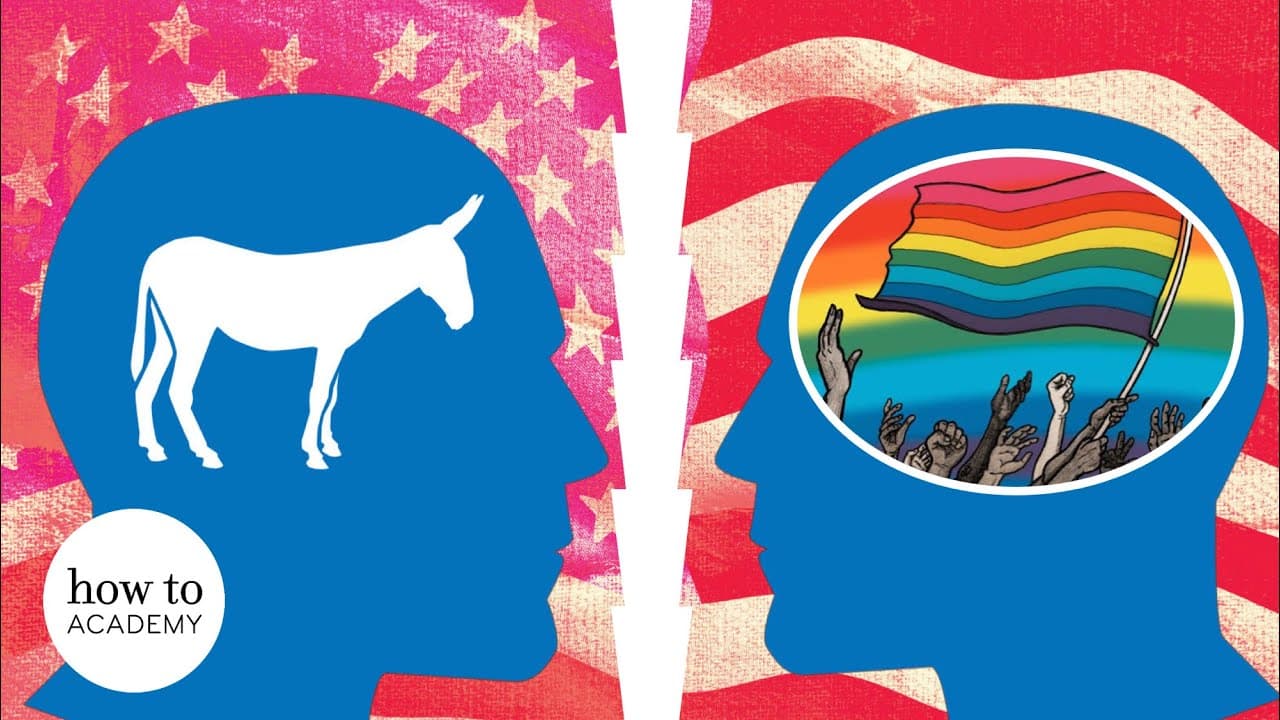
Francis Fukuyama on Identity Politics
TL;DR
Exploring the impacts of meritocracy, national identity, and political responses to populism in the modern context.
Transcript
well good evening ladies and gentlemen please take your seats a very warm welcome to this special evening how to Academy my name is matthew dainko now I'm editor-in-chief of drugstore culture and new culture and politics magazine do visit us at www.expressoil.com and he has which is going to talk about tonight the format of the evening is he will s... Read More
Key Insights
- ⛽ Meritocracy's impact on identity politics: The merit-based system may inadvertently fuel identity conflicts by emphasizing individual successes over collective ties.
- 🌍 Importance of diversity in national identity: Understanding and representing diverse groups can strengthen national unity and civic engagement.
- 🪡 Populism's role in political engagement: Populist movements can provoke both positive and negative responses, highlighting the need for better governance and political leadership.
- ❓ Lessons from history: Learning from historical narratives and addressing regional variations can promote a shared sense of identity and democratic values.
- 🤗 Reevaluating political correctness: Balancing cultural sensitivities with open dialogue can foster inclusivity while preserving democratic principles.
- 😮 End of history doctrine: Revisiting the belief in liberal democracy's ultimate triumph amidst global challenges and rise of authoritarian leaders.
Install to Summarize YouTube Videos and Get Transcripts
Explore YouTube Video Summarizer or Get YouTube Transcript Extractor
Questions & Answers
Q: How does the transition from a class system to a meritocracy contribute to the rise of identity politics?
The shift to meritocracy can create divisions as people compete based on individual merits, potentially leading to increased identity-based conflicts and undermining a collective sense of unity in society.
Q: Can regional alternatives to the nation-state promote stronger identities and civic engagement?
Recognizing and empowering urban regions could enhance local civic participation and governance, fostering a sense of community and collective responsibility beyond national borders.
Q: Is there a silver lining in the rise of populism in 2016, such as redefining national identity and political engagement?
The populist movements have highlighted grievances against elite failures and mobilized political participation, offering opportunities for redefining national narratives and engaging citizens in democratic processes.
Summary & Key Takeaways
-
Francis Fukuyama discusses the threat to liberal democracy posed by the rise of populist leaders like Donald Trump and the factors driving their appeal.
-
He highlights the transition from a class system to a meritocracy and its potential impact on fostering identity politics.
-
Fukuyama argues that understanding national identity and strengthening democratic values is crucial for addressing challenges like immigration and political polarization.
Read in Other Languages (beta)
Share This Summary 📚
Summarize YouTube Videos and Get Video Transcripts with 1-Click
Try YouTube Summary with ChatGPT & Claude or YouTube Transcript Generator
Explore More Summaries from How To Academy Mindset 📚





Summarize YouTube Videos and Get Video Transcripts with 1-Click
Try YouTube Summary with ChatGPT & Claude or YouTube Transcript Generator