How to Make Boring Social Media Topics Engaging
TL;DR
Make a familiar topic compelling by revealing a fresh angle, connecting it to an outcome the audience wants, and contrasting it with an existing belief. Effective content combines relevance, novelty, and intrigue, while optional urgency can increase attention when genuine timeliness exists. The full five-step framework also includes bullseye proof and protecting the illusion.
Transcript
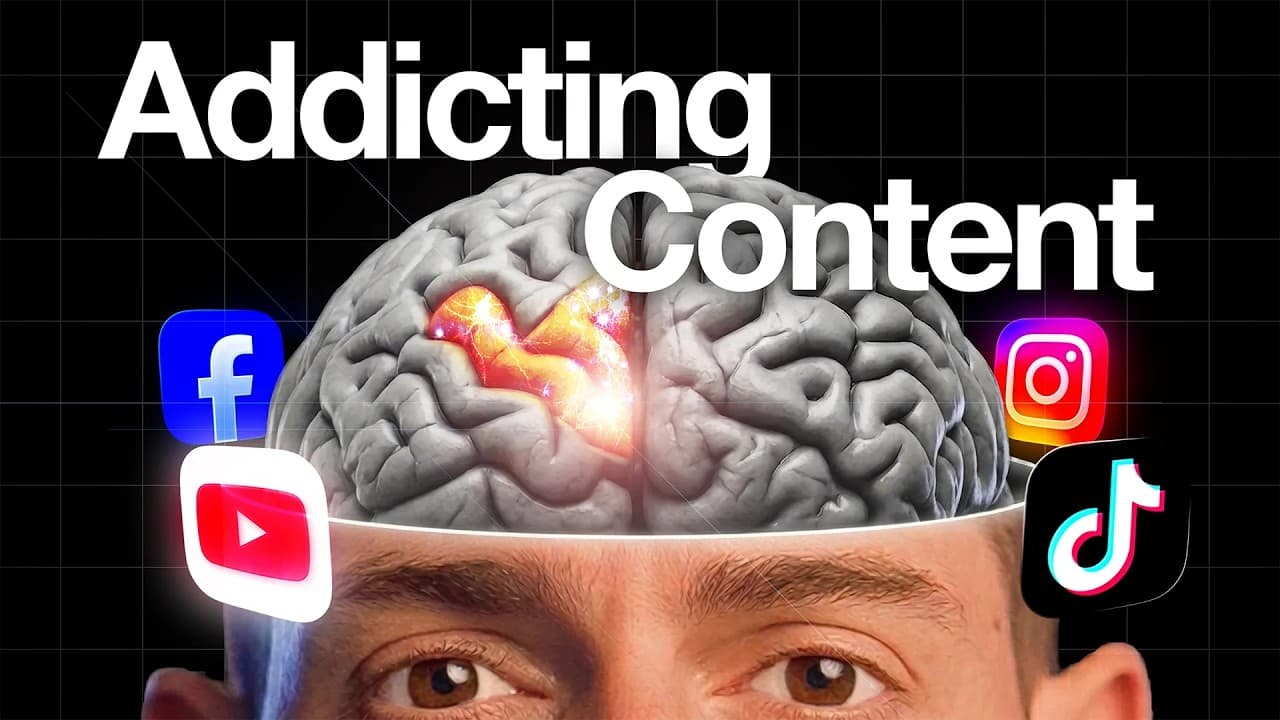
If you want to get people truly addicted to your content, there's one storytelling trick you should be using every single time. It's called the illusion of novelty. And if you can understand this one simple framework, you'll be able to make even the most boring topics in the world sound incredibly interesting. Of course, people covering the sexy st... Read More
Key Insights
- Addictive content is built from relevance, novelty, and intrigue. It must concern something the viewer cares about, introduce a concept that feels unfamiliar, and create enough curiosity for the viewer to want additional information instead of continuing to scroll.
- The illusion of novelty is a framework for presenting familiar subject matter as fresh and compelling. It does not require creators to discover an entirely new topic because an established topic can gain novelty through a different frame, name, update, finding, or perspective.
- A new reveal makes an existing subject feel new by showing that something about it has changed. The reveal can involve a genuinely new tool, study, or method, but it can also uncover an overlooked aspect of a topic audiences already recognize.
- Outcome mapping connects a fresh reveal to a result the audience genuinely wants. Novelty may attract a viewer's attention, but relevance gives that person a reason to stay, making the combination more effective than presenting an unfamiliar fact without a desirable consequence.
- The content hook should communicate both the fresh angle and the desired outcome in one or two lines. Creators can develop it by identifying what is new about the subject and determining which specific audience result can be credibly connected to that angle.
- Contrast framing positions the new reveal against what the audience previously believed. The comparison creates a gap between the accepted idea and the proposed reality, which encourages viewers to pause, reassess their assumptions, and continue listening for an explanation.
- A valid contrast requires true opposites that address the same underlying belief. Pairing unrelated old and new ideas produces confusion rather than curiosity, so creators should identify one established audience assumption and place the fresh angle directly beside it in the script.
- Urgency is an optional, timeliness-based accelerator rather than a mandatory part of every story. The complete process also includes bullseye proof and protecting the illusion, followed by measuring success, although the supplied transcript excerpt does not explain those later components in detail.
Install to Summarize YouTube Videos and Get Transcripts
Explore YouTube Video Summarizer or Get YouTube Transcript Extractor
Questions & Answers
Q: What makes social media content addictive?
Addictive social media content combines relevance, novelty, and intrigue. It addresses something the viewer cares about, presents a concept or angle that feels new, and creates enough curiosity to encourage continued viewing. Relevance can be established by directly addressing a particular audience, while novelty and intrigue often require reframing familiar information and challenging an existing belief.
Q: What is the illusion of novelty in content creation?
The illusion of novelty is a storytelling framework that makes an old or seemingly boring topic feel new, exciting, and worth attention. Instead of requiring a completely original subject, it reveals a fresh aspect, frame, name, update, or finding. That new angle is then linked to a desired audience outcome and contrasted with a familiar belief.
Q: How can a creator find a new angle on an old topic?
A creator can examine whether the topic contains a genuinely new tool, study, method, or development. If it does not, the creator can look for a new frame, name, update, overlooked finding, or previously unmentioned aspect. The selected angle should then be connected to an outcome the intended viewer genuinely wants, creating both novelty and relevance.
Q: What is outcome mapping in social media storytelling?
Outcome mapping is the practice of connecting a new fact or angle to a result the viewer wants. A reveal may make someone look because it feels unfamiliar, but the promised outcome gives that person a reason to stay. The water example links the timing of drinking water to gaining more energy than a morning cup of coffee.
Q: How should a social media hook use a new reveal?
A hook should express the fresh reveal and its connection to a desirable outcome in one or two lines. The creator first identifies what is genuinely new, or what fresh angle can make an old subject feel new. The hook then states how that change affects the viewer's ability to achieve a specific result they value.
Q: Why does contrast framing hold viewer attention?
Contrast framing holds attention by placing a new claim beside an established audience belief. This creates a visible gap between what viewers previously thought was true and the alternative reality being proposed. According to the framework, the brain pauses when it may need to recalibrate an assumption, producing the intrigue required to keep watching for further information.
Q: How do you create an effective contrast in a content script?
Start by identifying what the audience already believes about the specific topic. Then position the new angle as a direct opposite or meaningful replacement for that belief, placing both ideas near each other in the script. The comparison must concern the same issue because an unrelated old idea does not establish contrast and can create confusion instead of curiosity.
Q: When should urgency be used in social media content?
Urgency should be used when a story has a legitimate timeliness-based reason for the audience to pay attention promptly. It functions as an optional accelerator layered over the new reveal, desired outcome, and contrast. The framework does not require urgency in every piece of content, so creators should omit it when timeliness does not naturally fit the subject.
Summary & Key Takeaways
-
Addictive content answers three viewer questions: whether the subject matters to them, whether it presents a concept they have not heard before, and whether it creates enough intrigue to continue watching. Creators in familiar categories must manufacture novelty through fresh angles while keeping every idea connected to an outcome their audience genuinely values.
-
The new reveal makes an established topic feel fresh by introducing a changed aspect, overlooked finding, distinct frame, new name, or recent update. Outcome mapping then links that angle to a result viewers want. Together, these techniques attract initial attention and give the audience a practical reason to remain engaged with the story.
-
Contrast framing places the fresh angle directly against an existing audience belief. This comparison exposes a gap between what viewers assumed and the new reality being proposed, generating curiosity. Urgency can then act as an optional accelerator when the information has a legitimate time-sensitive quality, followed by bullseye proof and protection of the illusion.
Read in Other Languages (beta)
Share This Summary 📚
Summarize YouTube Videos and Get Video Transcripts with 1-Click
Try YouTube Summary with ChatGPT & Claude or YouTube Transcript Generator
Explore More Summaries from Kallaway 📚




Summarize YouTube Videos and Get Video Transcripts with 1-Click
Try YouTube Summary with ChatGPT & Claude or YouTube Transcript Generator