Former Manchester United Manager Sir Alex Ferguson: Practice, Practice, Practice

Transcript
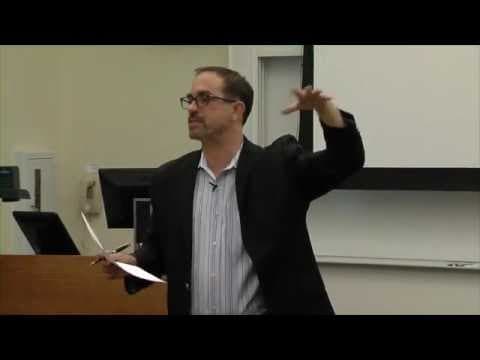
[MUSIC] The greatest coach in the history of professional sports Sir Alex Ferguson. [APPLAUSE]
Thank you. >> [APPLAUSE] >> You're looking very dapper tonight. >> Thank you. >> Yeah. >> My mother looks after me well. >> [LAUGH] Looks like we're the only two who got dressed this evening. >> [LAUGH] So what would you do, Sir Alex, if some of thi... Read More
Install to Summarize YouTube Videos and Get Transcripts
Explore YouTube Video Summarizer or Get YouTube Transcript Extractor
Summary
In this video, Sir Alex Ferguson, the legendary football coach, shares his insights on various topics related to coaching and management. He discusses the importance of discipline, setting expectations, assessing talent, maintaining authority, and more.
Questions & Answers
Q: How did Sir Alex Ferguson enforce discipline among his players?
Sir Alex Ferguson believed in consistent discipline and didn't use it as a weapon against players. He ensured that all players were treated equally and recognized the importance of trust and consistency.
Q: How did Sir Alex Ferguson set expectations for his teams?
Sir Alex Ferguson emphasized the winning mentality and the expectation to win in every game. He believed that players needed to have the mindset of always aiming for victory. However, he didn't publicly state the specific goals to avoid creating unnecessary pressure.
Q: How did Sir Alex Ferguson assess talent, both as a player and as a manager?
As a player, Sir Alex Ferguson acknowledges that he was a goal scorer and had a good career, even though he didn't win any major trophies. As a manager, he relied on scouts, recommendations, and personal observations to identify talented players.
Q: How did Sir Alex Ferguson maintain discipline and authority despite the financial disparity between managers and players?
Sir Alex Ferguson believes that the responsibility of managing a club like Manchester United merits being the highest-paid person. He also acknowledges that the top players should be compensated accordingly. He emphasizes the importance of mutual respect and finding a harmony between the manager and the players.
Q: How did Sir Alex Ferguson handle the difficult task of letting go of players who were not performing or no longer fit in the team?
Sir Alex Ferguson approached the task of letting go of players with honesty and respect. He ensured that players understood why they were not playing and treated them fairly. He also offered free transfers to players who had served the club well as a gesture of gratitude.
Q: What management trait does Sir Alex Ferguson wish he had and how did he compensate for it?
Sir Alex Ferguson wishes he had better language skills, especially because the diversity of players in his team required effective communication. He delegated the language responsibilities to assistant coaches who were fluent in different languages.
Q: Did Sir Alex Ferguson ever feel that he should have won more trophies?
Yes, Sir Alex Ferguson regrets not winning more European cups and acknowledges some unfortunate circumstances, such as bad decisions by referees, influenced those outcomes. However, he does not harbor bitterness or regrets about his overall career.
Q: How did Sir Alex Ferguson avoid complacency among his players?
Sir Alex Ferguson believes that complacency is a disease and always reminded his players about the dangers of becoming complacent. He communicated the importance of giving their best in every game and not taking success for granted.
Q: What is Sir Alex Ferguson's advice on building a good relationship with club owners?
Sir Alex Ferguson emphasizes the need for shared vision and direction between managers and club owners. It is crucial to find a way to work together and to ensure that both parties are aligned in terms of the club's goals and the manager's role.
Q: What matters most in life, according to Sir Alex Ferguson?
Sir Alex Ferguson believes that one's upbringing and moral values matter the most. He attributes his success to the discipline and values instilled in him by his parents, and he sees passing on those values to future generations as an important legacy.
Takeaways
Sir Alex Ferguson's insights provide valuable lessons for managers and leaders in any field. Some of the key takeaways include the significance of consistent discipline, the importance of setting high expectations, the value of effective communication, and the need for mutual trust and respect. It is also essential to continuously assess talent, avoid complacency, and maintain a strong sense of purpose and work ethic. Finally, one's upbringing and moral values are fundamental in shaping success and should be passed on to future generations.
Read in Other Languages (beta)
Share This Summary 📚
Summarize YouTube Videos and Get Video Transcripts with 1-Click
Try YouTube Summary with ChatGPT & Claude or YouTube Transcript Generator
Explore More Summaries from Stanford Graduate School of Business 📚





Summarize YouTube Videos and Get Video Transcripts with 1-Click
Try YouTube Summary with ChatGPT & Claude or YouTube Transcript Generator