Why U.S. Companies Can't Create WeChat-like Super Apps
TL;DR
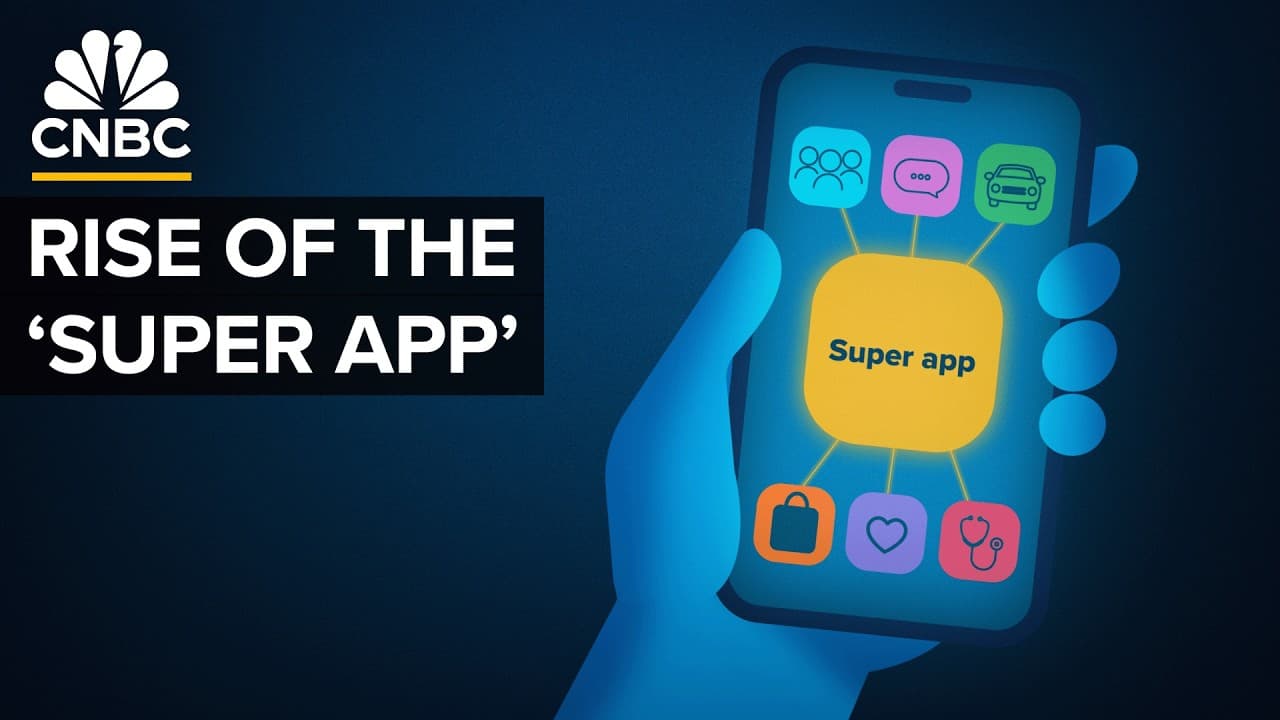
U.S. tech companies struggle to create WeChat-like super apps due to several challenges, including strict regulatory hurdles, a fragmented market landscape, and user preference for specialized applications. Unlike Asia, where super apps thrive, the U.S. market is less conducive, although some 'super-ish' apps are beginning to emerge.
Transcript
Think about the apps you use on your phone every day. Studies have shown Americans use an average of 46 mobile apps each month to complete a variety of everyday tasks. Now, imagine if you could combine all of those programs into a single standalone app. A one stop shop to socialize with friends, order food, pay rent, or even consult with a doctor. ... Read More
Key Insights
- Super apps, like WeChat, combine multiple services into one platform, offering convenience and efficiency for users.
- Asian markets, particularly China, have embraced super apps due to mobile-first internet adoption and less reliance on desktop applications.
- Digital wallets have been crucial in the growth of super apps in Asia, offering an alternative to traditional credit card infrastructures.
- U.S. tech companies are attempting to create super apps, but face hurdles such as regulatory challenges and a fragmented market.
- Regulatory and antitrust concerns in the U.S. pose significant barriers to the development of super apps, with strict rules on data privacy and competition.
- Existing competition in the U.S. market, with multiple players in each service category, makes it challenging for a single app to dominate.
- User behavior in the U.S. shows a preference for specialized apps, complicating the adoption of a one-stop super app.
- While full-fledged super apps may not emerge soon in the U.S., 'super-ish' apps with integrated services are gaining traction.
Install to Summarize YouTube Videos and Get Transcripts
Explore YouTube Video Summarizer or Get YouTube Transcript Extractor
Questions & Answers
Q: What is a super app and why is it popular in Asia?
A super app is a mobile application that combines multiple services, such as messaging, payments, and shopping, into one platform. It is popular in Asia because it offers convenience and efficiency by providing a one-stop solution for various daily needs. Asian markets have embraced super apps due to a mobile-first internet culture and innovative payment solutions like digital wallets, which bypass traditional credit card infrastructures.
Q: Why have super apps not been widely adopted in the U.S.?
Super apps have not been widely adopted in the U.S. due to several factors. Regulatory and antitrust concerns pose significant barriers, with strict rules on data privacy and competition. Additionally, the U.S. market is highly fragmented, with multiple competitors in each service category, making it difficult for a single app to dominate. User behavior also shows a preference for specialized apps, complicating the adoption of a one-stop super app.
Q: What role do digital wallets play in the success of super apps in Asia?
Digital wallets have been crucial in the success of super apps in Asia by providing an alternative to traditional credit card infrastructures. They offer a more accessible and cost-effective way for consumers and merchants to transact, encouraging the adoption of super apps. By integrating payments and banking services, digital wallets enhance the functionality of super apps, making them an attractive option for users seeking convenience and efficiency.
Q: How are U.S. tech companies attempting to create super apps?
U.S. tech companies are attempting to create super apps by integrating multiple services into their existing platforms. For example, Elon Musk's X aims to combine messaging, social networks, and payments, while Uber explores expanding its services to include travel booking. Companies like Amazon and Facebook are also adding features like marketplaces, streaming, and messaging to their platforms, creating 'super-ish' apps that offer a range of services in one place.
Q: What challenges do U.S. companies face in developing super apps?
U.S. companies face several challenges in developing super apps, including regulatory and antitrust concerns, a fragmented market with multiple competitors, and user behavior favoring specialized apps. The regulatory environment in the U.S. is not conducive to super app development, with strict data privacy and competition laws. Additionally, the presence of numerous players in each service category makes it difficult for a single app to dominate.
Q: How does user behavior in the U.S. impact super app adoption?
User behavior in the U.S. impacts super app adoption by showing a preference for specialized apps tailored to specific needs, such as separate apps for messaging, shopping, and food delivery. This preference complicates the adoption of a one-stop super app, as users may be reluctant to switch to a single platform that offers multiple services. Building user trust and demonstrating the convenience of integrated services are key challenges for super app developers.
Q: What is the outlook for super apps in the U.S. market?
The outlook for super apps in the U.S. market suggests that while full-fledged super apps like WeChat may not emerge soon, 'super-ish' apps with integrated services are gaining traction. Companies are gradually adding features and integrating services into existing platforms, creating apps that offer a range of functionalities. As user preferences evolve and regulatory challenges are addressed, there is potential for further development of super apps in the U.S.
Q: Why is WeChat considered the gold standard for super apps?
WeChat is considered the gold standard for super apps because it successfully integrates a wide range of services, such as messaging, social media, payments, and more, into a single platform. It has become an essential part of daily life for its 1.3 billion monthly users in China, offering convenience and efficiency. WeChat's extensive ecosystem, with over a million mini programs, sets a benchmark for what a super app can achieve in terms of user engagement and service integration.
Summary & Key Takeaways
-
Super apps integrate various services like messaging, payments, and shopping into one platform, offering convenience and efficiency. While widely adopted in Asia, particularly China, due to mobile-first internet usage and digital wallets, U.S. adoption faces challenges due to regulatory and market fragmentation.
-
U.S. tech companies like Uber and Elon Musk's X are exploring super app models, but face barriers such as regulatory concerns, existing competition, and user behavior preferring specialized apps. Despite these challenges, 'super-ish' apps with integrated features are emerging in the market.
-
The U.S. regulatory environment, with strict data privacy and antitrust rules, hinders the development of super apps. In contrast, Asian markets have embraced these apps, driven by mobile internet adoption and innovative payment solutions, offering a model that U.S. companies aim to replicate.
Read in Other Languages (beta)
Share This Summary 📚
Summarize YouTube Videos and Get Video Transcripts with 1-Click
Try YouTube Summary with ChatGPT & Claude or YouTube Transcript Generator
Explore More Summaries from CNBC 📚





Summarize YouTube Videos and Get Video Transcripts with 1-Click
Try YouTube Summary with ChatGPT & Claude or YouTube Transcript Generator