What is reverse goal setting and how to use it?
TL;DR
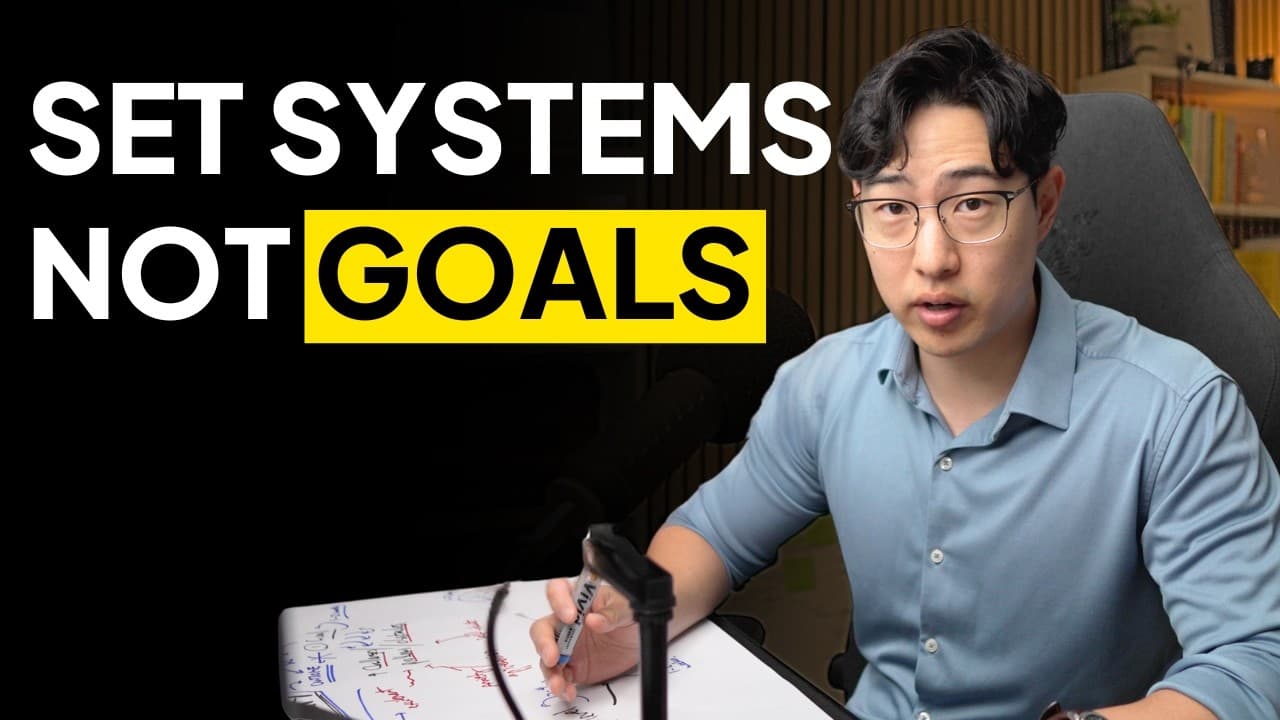
Reverse goal setting focuses on clarity of the path and actionable steps rather than chasing a fixed goal. It highlights that goals can change as we learn what truly creates the desired outcome, and it emphasizes identifying concrete actions that move you toward that outcome while maintaining motivation.
Transcript
When I was 18, my biggest goal was to become a doctor. And in 2017, I achieved that. I graduated medical school and I worked as a doctor. And 18 months later, I resigned. I resigned because I felt dissatisfied and unfulfilled with my work. I hated going to sleep on a Sunday because I knew that I had to wake up for work on Monday. Now I run a busine... Read More
Key Insights
- Reverse goal setting prioritizes meaning and outcome alignment over fixed targets.
- The framework starts with the goal but remains open to changing it as new information arrives.
- Understanding the true outcome behind a goal helps avoid misalignment and burnout.
- Recognizing challenges and obstacles clarifies the actions needed to progress, not just the destination.
- Motivation is sustained by seeing progress and having a clear path to follow.
- The 5-step process includes setting the goal, identifying challenges, and planning actionable steps.
- Conventional goal setting often fails to account for changing circumstances and deeper needs.
- The framework was developed from the author’s experience as a doctor who found fulfillment outside traditional goals.
- More videos from this channel:
- More from this channel: Justin Sung
Install to Summarize YouTube Videos and Get Transcripts
Explore YouTube Video Summarizer or Get YouTube Transcript Extractor
Questions & Answers
Q: What is reverse goal setting and how is it different from conventional goal setting?
Reverse goal setting is a framework that begins with choosing a goal but remains open to changing that goal as new information surfaces. It emphasizes clarity on the path and the specific actions required to move closer to the outcome. Unlike conventional goal setting, it focuses on meaningful outcomes and the feelings associated with them rather than chasing a fixed trophy.
Q: Why does the speaker say conventional goal setting can be problematic?
Conventional goal setting can be demotivating because the path to the goal is often unclear and the outcome may not deliver the expected feelings or impact. When paths are invisible and uncertain, people may give up even if they are on the right track, leading to burnout and misalignment with true needs.
Q: What are the core benefits of reverse goal setting according to the transcript?
The core benefits include greater clarity on the path to the goal, higher likelihood of taking meaningful actions, sustained motivation through visible progress, and the ability to adjust goals as the understanding of outcomes evolves. It helps maintain alignment with what you truly want and your emotional responses to progress.
Q: How many steps are involved in the reverse goal setting framework and what is the first step?
There are five steps in the framework. The first step is to set the goal while remaining open to the possibility that the goal may change as new information about outcomes and feelings emerges. This initial goal acts as a anchor for developing the actionable path forward.
Q: What should one do after identifying the goal in reverse goal setting?
After setting the goal, you identify the challenges, problems, and obstacles that come with pursuing it. This step creates awareness of what must be overcome, which generates motivation and helps in planning targeted actions that address those specific barriers.
Q: How does reverse goal setting address feelings and motivation?
Reverse goal setting acknowledges that pursuing a goal elicits a range of emotions such as excitement, anxiety, and self doubt. By linking the goal to clear actions and progress, it helps sustain motivation and ensures the journey remains meaningful, reducing burnout and drift.
Q: What role does changing the goal play in this framework?
Changing the goal is encouraged when new information reveals that the outcome or surrounding conditions no longer align with the original aim. This adaptability ensures the goal remains meaningful and aligned with personal values, leading to a more resilient and fulfilled path.
Q: Can you apply reverse goal setting to complex life decisions like career changes?
Yes, the framework is designed for complex goals that unfold over time. By clarifying the desired outcomes, recognizing obstacles, and outlining concrete actions, reverse goal setting helps people transition between roles (e.g., from doctor to other paths) while staying aligned with what they truly want and the feelings associated with progress.
Summary & Key Takeaways
-
Reverse goal setting defines a goal but keeps it open to change as new information emerges, ensuring alignment with desired outcomes and feelings.
-
It combines clarity on obstacles with a focus on actionable steps, helping sustain motivation and progress toward complex goals.
-
The framework replaces traditional fixed goal pursuit with an adaptable plan that emphasizes meaningful outcomes and ongoing alignment with personal values.
Read in Other Languages (beta)
Share This Summary 📚
Summarize YouTube Videos and Get Video Transcripts with 1-Click
Try YouTube Summary with ChatGPT & Claude or YouTube Transcript Generator
Explore More Summaries from Justin Sung 📚
Summarize YouTube Videos and Get Video Transcripts with 1-Click
Try YouTube Summary with ChatGPT & Claude or YouTube Transcript Generator