Why Did Asian Stocks Rise as Greenland Risk Eased?
TL;DR
Asian stocks advanced after President Trump withdrew planned tariffs on European nations and cited a developing framework concerning Greenland and Arctic security. The softer rhetoric reduced market anxiety, while technology shares supported gains in Japan and South Korea, where the KOSPI crossed 5,000 despite weaker-than-estimated fourth-quarter economic growth.
Transcript
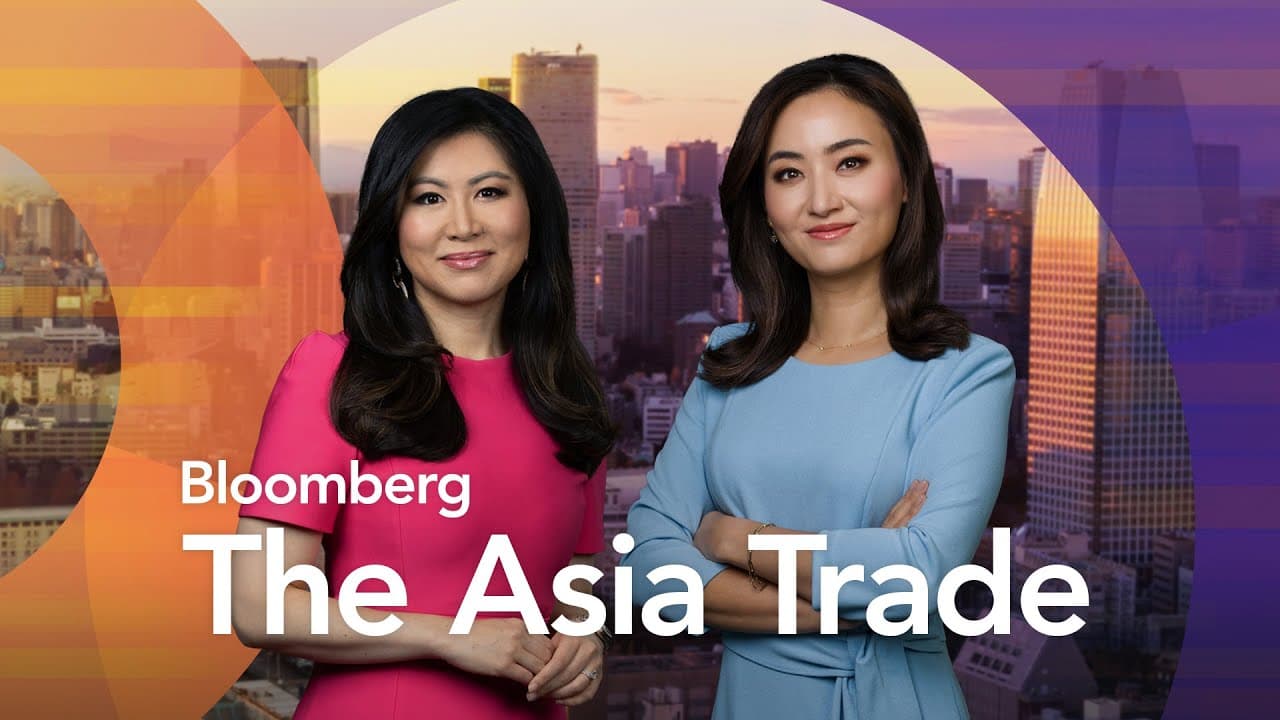
THE ASIAN TRADE, I'M PAUL ALLEN IN SYDNEY. >> I'M AVRIL HONG. THE TOP STORIES THIS HOUR, ASIA STOCKS TO ADVANCES PRESIDENT TRUMP BACKS DOWN ON HIS EUROPE TARIFFS THREAT TOUTING THE FRAMEWORK OF A DEAL ON GREENLAND. TRUMP'S ANNOUNCEMENT COMING AFTER A MEETING WITH THE NATO SECRETARY-GENERAL IN DAVOS, BUT DETAILS OF THE DEAL HAVE NOT BEEN REVEALED... Read More
Key Insights
- President Trump withdrew tariffs scheduled for February 1 after citing a framework for a future agreement covering Greenland and the broader Arctic region. The framework’s details were not disclosed, while Denmark continued to treat relinquishing Greenland as a redline.
- Greenland is strategically important because the waters between Greenland and Iceland provide a major route for Russian submarines entering the Atlantic. George Friedman also emphasized Greenland’s relevance to polar warfare, security, and mineral access.
- Trump’s negotiating style is characterized by aggressive initial demands followed by retreat and negotiation, according to George Friedman. Friedman argued that the Greenland reversal was consistent with a recurring approach that can unsettle markets without necessarily being random or unpredictable.
- Market sentiment improved when the tariff threat receded and Trump excluded military action while discussing a Greenland framework. United States equities rose across every sector, energy and materials led the advance, and the VIX fell 16%, its largest decline since October.
- South Korea’s KOSPI crossed 5,000 as technology stocks benefited from enthusiasm surrounding artificial intelligence. The market milestone arrived even as adjusted fourth-quarter economic growth missed estimates and slowed on a year-over-year basis.
- Japanese markets benefited from rising technology shares and retreating government bond yields. A 20-year bond auction cleared one basis point below the existing yield, helping ease immediate concerns about bond-market instability and the resulting risks for banking stocks.
- Supreme Court justices showed broad skepticism toward President Trump’s effort to fire Federal Reserve Governor Lisa Cook. Their questions focused on the weakness of the stated cause, potential market consequences, and the risk that presidential removal power could erode Federal Reserve independence.
- Apple plans to transform Siri into its first built-in artificial intelligence chatbot, placing the assistant in competition with offerings from OpenAI and Google. The report appeared alongside broader technology gains in Asian markets and strong investor attention to artificial intelligence tailwinds.
Install to Summarize YouTube Videos and Get Transcripts
Explore YouTube Video Summarizer or Get YouTube Transcript Extractor
Questions & Answers
Q: Why did Asian stocks rise after Greenland tensions eased?
Asian stocks gained because President Trump withdrew his threat to impose new tariffs on European nations and cited a developing framework for Greenland and the broader Arctic region. Although the agreement’s contents were not revealed, the softer diplomatic tone reduced immediate geopolitical and trade concerns. Technology shares added support in Japan and South Korea, while European futures also rose.
Q: What did Trump announce about Greenland and European tariffs?
President Trump said the United States had reached the concept or framework of a future agreement concerning Greenland and the entire Arctic region. He said it would address national security and minerals, although no detailed terms were released. Based on that understanding, he said tariffs scheduled to take effect against European nations on February 1 would not be imposed.
Q: Why is Greenland strategically important to the United States and NATO?
Greenland matters strategically because the route between Greenland and Iceland is a primary passage for Russian submarines entering the Atlantic, according to George Friedman. Its location also has importance for polar warfare and wider Arctic security. Trump additionally connected the proposed framework to mineral access, although the program noted uncertainty about what new rights the United States would receive.
Q: How did markets react to Trump’s softer Greenland rhetoric?
The change in rhetoric produced a broad improvement in risk sentiment. Every United States equity sector finished higher, with energy and materials leading, while oil also gained. The VIX dropped 16%, its biggest decline since October. Asian equities and European futures advanced as investors responded to the withdrawal of the tariff threat and the possibility of a negotiated framework.
Q: Why did the KOSPI rise above 5,000?
The KOSPI crossed 5,000 as technology stocks led gains in South Korea and investor enthusiasm around artificial intelligence provided a tailwind. The advance occurred despite weaker domestic economic information, as adjusted fourth-quarter growth came in below the estimate and the year-over-year pace slowed. The broader easing of Greenland-related trade tension also supported regional risk appetite.
Q: What did the Supreme Court signal about firing Federal Reserve Governor Lisa Cook?
The Supreme Court appeared reluctant to let President Trump fire Federal Reserve Governor Lisa Cook. Justices across the political spectrum questioned the administration’s lawyer and expressed concern about allowing removal without strong cause or a meaningful process. The discussion emphasized that such authority could weaken Federal Reserve independence, affect financial markets, and establish powers available to future presidents.
Q: How did Japan’s bond market affect Asian financial stocks?
Japanese government bond yields retreated, and a 20-year bond auction produced a yield one basis point below the existing yield. Those developments suggested that the recent government bond turmoil might be moving into the background. Investors were watching whether reduced bond-market pressure would ease concerns about risks to banks and other lenders, alongside gains in Japanese technology shares.
Q: What changes is Apple reportedly planning for Siri?
Apple reportedly plans to revamp Siri into its first built-in artificial intelligence chatbot. The change would position Siri more directly against chatbot offerings associated with OpenAI and Google. The report formed part of the program’s broader technology coverage, which also highlighted artificial intelligence enthusiasm and technology-led equity gains in both Japan and South Korea.
Summary & Key Takeaways
-
President Trump suspended tariffs scheduled for February 1 after describing a developing framework concerning Greenland, Arctic security, and minerals. Although its details remained undisclosed and Denmark maintained that surrendering Greenland was unacceptable, the change in tone calmed investors, lifted United States stocks, reduced volatility, and supported gains across Asian markets.
-
Asian trading was shaped by technology strength, easing geopolitical tension, and mixed economic signals. South Korea’s KOSPI crossed 5,000 as technology stocks rallied, even though fourth-quarter growth was weaker than estimated. Japanese shares also advanced while government bond yields retreated, reducing immediate concern about risks facing banks and other lenders.
-
The program also examined institutional and corporate developments. Supreme Court justices appeared skeptical of President Trump’s attempt to remove Federal Reserve Governor Lisa Cook, citing possible damage to central-bank independence. Other coverage included Apple’s planned transformation of Siri into a chatbot, Japan’s export growth, and Russia-Ukraine peace negotiations.
Read in Other Languages (beta)
Share This Summary 📚
Summarize YouTube Videos and Get Video Transcripts with 1-Click
Try YouTube Summary with ChatGPT & Claude or YouTube Transcript Generator
Explore More Summaries from Bloomberg Television 📚
Summarize YouTube Videos and Get Video Transcripts with 1-Click
Try YouTube Summary with ChatGPT & Claude or YouTube Transcript Generator