How Do Politicians Consistently Beat the Stock Market?
TL;DR
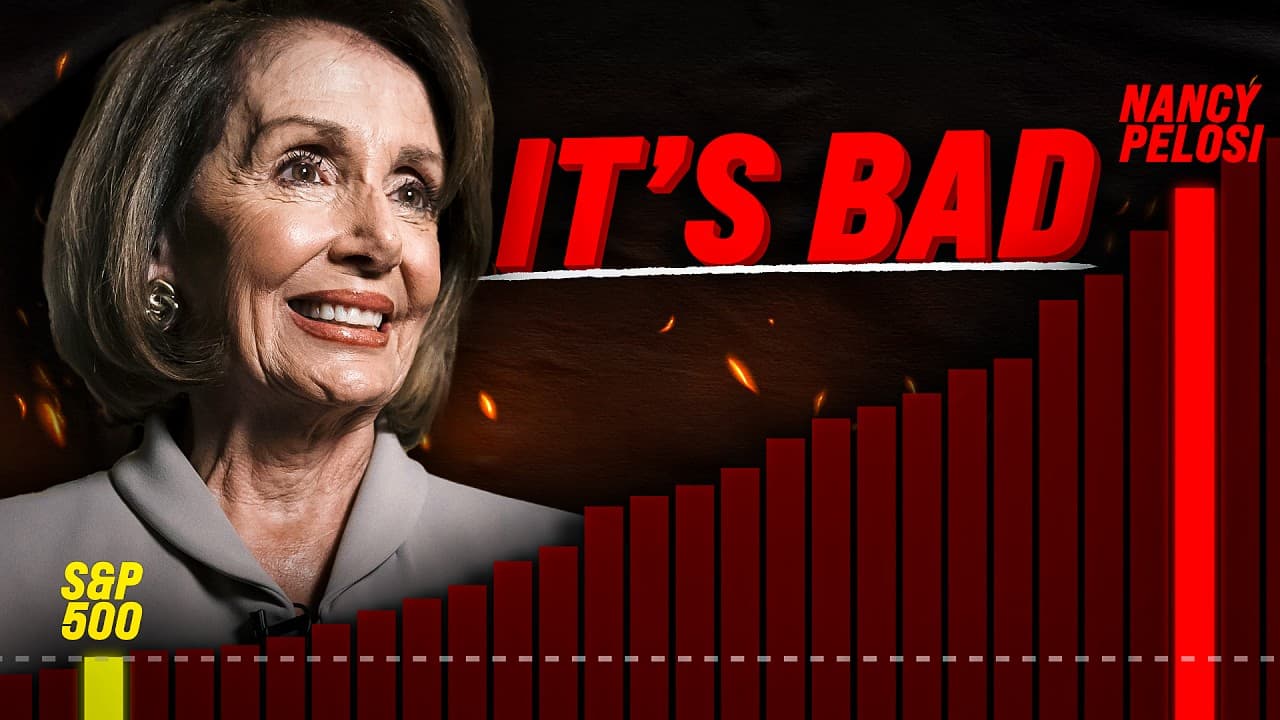
Politicians like Nancy Pelosi have repeatedly outperformed the stock market through strategic trades, often raising ethical concerns and highlighting potential conflicts of interest. Despite the Stock Act's regulations, Congressional stock trading continues, allowing members to leverage insider knowledge for personal gain. The ongoing debate questions the fairness and transparency of such practices in democracy.
Transcript
in late 2023 Congresswoman Nancy Pelosi and her vent capitalist husband made a significant investment in Nvidia a company known for its work in artificial intelligence and semiconductors and also known for being the S&P 500's best performing stock in 2023 Rising 239 on the 22nd of November she bought 50 call options on Nvidia stock with a strike pr... Read More
Key Insights
- 🤨 Congressional stock trading raises ethical concerns due to potential conflicts of interest and insider knowledge.
- 🤵 The Stock Act aimed to regulate Congressional stock trading but did not prohibit it, leaving room for scrutiny.
- 👣 Strategies like tracking Congress members' trades for investment ideas have emerged, but caution is advised.
- 😀 The impact of Congressional stock trading on market performance varies, with some members outperforming while others may face losses.
- 💯 Transparency, fairness, and ethical considerations remain at the core of the debate surrounding Congressional stock trading.
- ❓ Learning about stock analysis and value investing can empower individuals to make informed investment decisions.
- ™️ The history of questionable stock trades by Congress members, including Nancy Pelosi, underscores ongoing concerns about ethics and conflicts of interest.
Install to Summarize YouTube Videos and Get Transcripts
Explore YouTube Video Summarizer or Get YouTube Transcript Extractor
Questions & Answers
Q: What ethical concerns arise from Congress members engaging in stock trading?
Congressional stock trading raises ethical issues due to potential conflicts of interest when legislators are involved in trading shares of companies they may influence through legislation. Transparency and fairness are questioned when members profit from insider knowledge.
Q: How has the Stock Act impacted Congressional stock trading?
The Stock Act was passed to increase reporting requirements for stock trading by Congress members, aiming to prevent insider trading. However, it did not prohibit Congressional stock trading, leaving room for conflicts of interest and ethical dilemmas.
Q: What strategies have emerged around tracking Congress members' stock trades?
Strategies like monitoring Congress members' stock trades for investment ideas have gained popularity, but blindly copying their moves can be risky. Using disclosures as research hints rather than direct investment signals is a more prudent approach.
Q: What impact does Congressional stock trading have on market performance?
While some Congress members, like Nancy Pelosi, may achieve impressive returns from stock trades, others may incur losses or underperform the market. The ethical implications of profiting from legislative influence add complexity to the financial landscape.
Summary & Key Takeaways
-
Congresswoman Nancy Pelosi and her husband made a significant investment in Nvidia, profiting from call options as the stock soared.
-
Congressional stock trading raises ethical questions, with many members outperforming the market, sparking concerns about conflicts of interest.
-
The Stock Act aimed to regulate Congressional stock trading but did not ban it, leading to ongoing doubts about fairness and transparency.
Read in Other Languages (beta)
Share This Summary 📚
Summarize YouTube Videos and Get Video Transcripts with 1-Click
Try YouTube Summary with ChatGPT & Claude or YouTube Transcript Generator
Explore More Summaries from New Money 📚



Summarize YouTube Videos and Get Video Transcripts with 1-Click
Try YouTube Summary with ChatGPT & Claude or YouTube Transcript Generator