Making music out of thin air with the Theremin
Transcript
Read and summarize the transcript of this video on Glasp Reader (beta).
Install to Summarize YouTube Videos and Get Transcripts
Explore YouTube Video Summarizer or Get YouTube Transcript Extractor
Summary
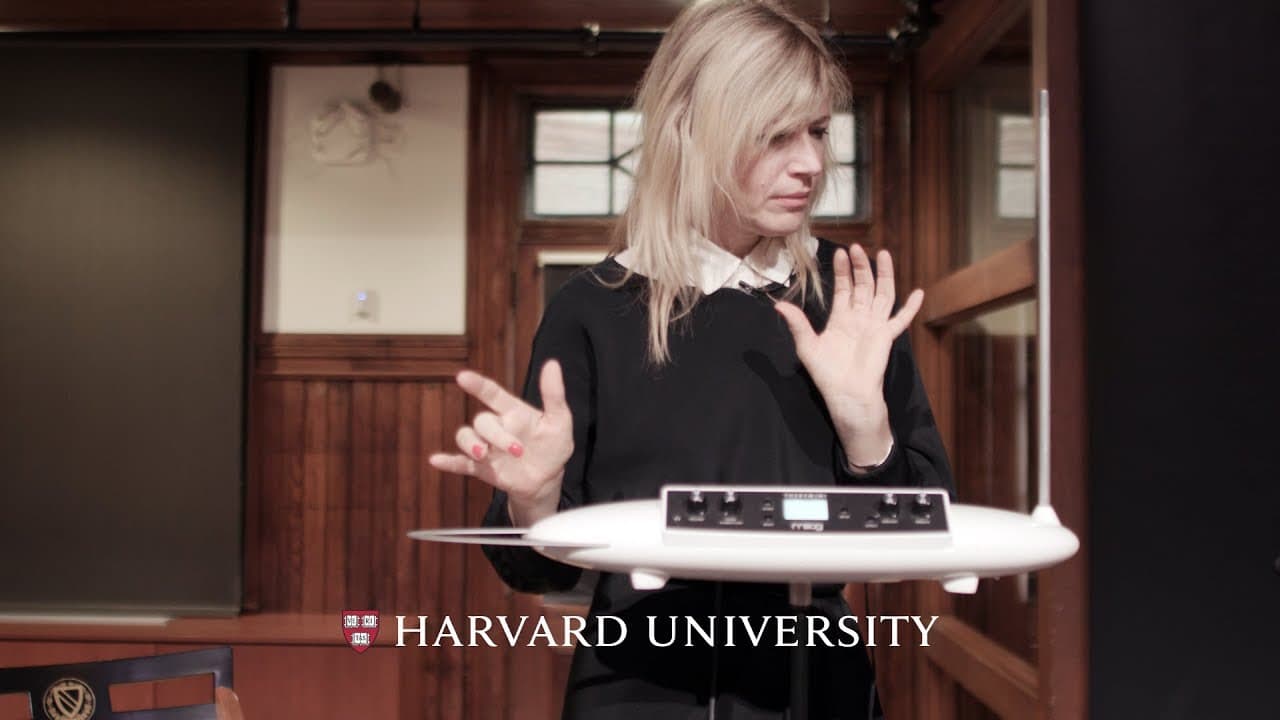
In this video, Dorit Chrysler, a musicologist, composer, and theremin player, talks about the theremin and its unique functionality. She explains how the theremin works by creating electromagnetic fields and demonstrates how the pitch and volume are controlled by hand movements.
Questions & Answers
Q: How does the theremin work?
The theremin works by creating two electromagnetic fields - one horizontal and one vertical. The pitch antenna determines the pitch of the sound, where the closer the hand is to the antenna, the higher the pitch. On the other hand, the volume is controlled by the distance of the hand from the volume antenna, with the sound getting louder as the hand moves further away.
Q: How is the theremin different from traditional music interfaces?
The theremin is fundamentally different from traditional music interfaces that have evolved over thousands of years. Unlike instruments like the piano or violin that require physical contact or pressure to produce sound, the theremin relies on hand movements in the surrounding electromagnetic fields to control pitch and volume. This unique interface allows for a completely different approach to music-making.
Q: Can you explain the process of playing the theremin in more detail?
Playing the theremin involves sculpting bland sinus notes with the volume control and trying to find and maintain constant intonation with the pitch control. Imagine a bumblebee buzzing around a flower - the bumblebee represents the pitch, and the goal is to land on it. The player's hand movements in the theremin's electromagnetic fields allow for the continuous adjustment and control of both pitch and volume.
Q: How did you get involved with the theremin?
As a musicologist and composer, I have always been fascinated by unconventional and unique instruments. The theremin's remarkable history and ethereal sound drew me in, and I started exploring and learning how to play it. Eventually, my passion for the theremin led me to co-found the New York Theremin Society and establish the Kidcoolthereminschool program to teach the instrument internationally.
Q: What are some of the possibilities or potential applications of the theremin?
The theremin offers a wide range of possibilities in music and beyond. In the field of music, it can be used as a solo instrument, in ensemble performances, and even in experimental electronic music. Its expressive and haunting sound can add an otherworldly touch to various genres. Beyond music, the theremin has been used in film soundtracks, sound installations, and even as a therapeutic instrument in music therapy. Its unconventional interface and ethereal sound make it a versatile tool for creative expression.
Q: How does playing the theremin differ from playing other instruments?
Playing the theremin differs significantly from playing traditional instruments as it requires a completely different technique and interaction. Instead of physically touching the instrument or manipulating strings or keys, the theremin player's hands move in the surrounding electromagnetic fields. This delicate and precise movement allows for dynamic control of pitch and volume. The theremin's unique interface challenges traditional notions of music-making and encourages a more intuitive and free-flowing approach to performance.
Q: Can you share any interesting stories about your experiences with the theremin?
One particularly memorable experience with the theremin was when I had the opportunity to perform with an orchestra. It was an exhilarating and challenging experience as I had to synchronize my playing with the conductor and ensemble, despite the theremin's unconventional nature. The collaboration between the theremin and traditional instruments created a mesmerizing and harmonious sound that captivated both the performers and the audience. It was a beautiful example of the theremin's ability to blend with and enhance other musical elements.
Q: How does the theremin contribute to the field of experimental music?
The theremin has become an influential instrument in the realm of experimental music. Its unique sound and interface allow musicians to explore new sonic territories and push the boundaries of traditional composition and performance. The theremin's distinctive timbre and seamless glissandos provide endless possibilities for creating unusual and abstract music. It has played a significant role in the development of electronic music and continues to inspire artists to experiment with different soundscapes and textures.
Q: What challenges do theremin players face?
Theremin playing comes with its fair share of challenges. One of the primary difficulties is maintaining accurate intonation throughout a performance, as even the slightest hand movement can impact the pitch. Consistently hitting the desired notes while performing intricate melodies requires precise control and muscle memory. Additionally, since the theremin doesn't have any physical keys or frets, it can be challenging to accurately replicate specific musical phrases or scales. However, with practice and dedication, these challenges can be overcome, and the theremin can be mastered.
Q: How has the theremin influenced your perspective on music?
Playing the theremin has opened my eyes to a whole new world of musical possibilities. Its unique interface and sound have challenged my conventional understanding of music-making and encouraged me to explore new techniques and approaches to composition. The theremin's ethereal and expressive nature has taught me to embrace subtlety and nuance in my playing and composition. It has also given me a deeper appreciation for the intuitive and spontaneous elements of music, allowing me to connect with the emotional core of the music in a more profound way.
Takeaways
The theremin, with its unconventional interface and ethereal sound, offers a unique approach to music-making. It challenges traditional notions of instruments and encourages a more intuitive and free-flowing style of performance. The theremin's versatility allows for applications in various musical genres, as well as in experimental and electronic music. Its influence in the world of music extends beyond performance, reaching into film soundtracks, sound installations, and therapeutic settings. Playing the theremin comes with its challenges, but with dedication and practice, it can be mastered, leading to a deeper understanding of music and a new range of artistic expression.
Read in Other Languages (beta)
Share This Summary 📚
Summarize YouTube Videos and Get Video Transcripts with 1-Click
Try YouTube Summary with ChatGPT & Claude or YouTube Transcript Generator
Explore More Summaries from Harvard University 📚




Summarize YouTube Videos and Get Video Transcripts with 1-Click
Try YouTube Summary with ChatGPT & Claude or YouTube Transcript Generator