Why Do Humans Obsess Over Material Possessions?

TL;DR
Humans pursue material possessions and wealth as a means of signaling social status and establishing identity, which negatively impacts both mental health and the environment. Our obsession with overconsumption stems from cultural influences and marketing, leading to detrimental effects on well-being and the planet. A shift in perspective is needed to prioritize what truly matters in our limited time on Earth.
Transcript
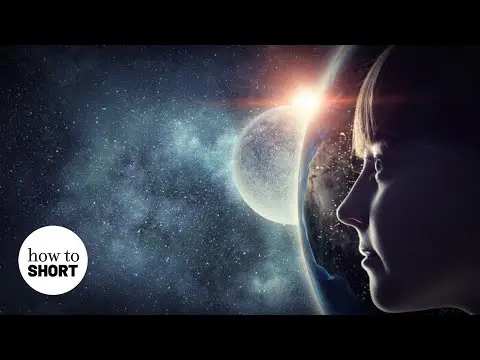
thank you welcome I think if you want to change your life you need to take perspective and I'd like to begin with a very big perspective this is our home this is planet Earth and it's been around for about 4.6 billion years now imagine that as a 24-hour clock our species Homo sapiens arrived around about two to three hundred thousand years ago so o... Read More
Key Insights
- ⌛ Humans have a limited time on Earth, yet we prioritize the pursuit of possessions and wealth, neglecting our mental and physical well-being.
- 👋 Our obsession with overconsumption and disposable goods negatively impacts the environment.
- 📡 Possessions and wealth are used as signals of social status and genetic prowess, influenced by marketing and advertising.
- 💠 The concept of ownership is not universal, but rather shaped by culture and societal norms.
- 🤳 Our possessions become intertwined with our sense of self, shaping our identity and relationships.
- 🪡 Property is a concept that needs to be defined and established, as it does not naturally exist in the animal kingdom.
- 👯 The endowment effect, where people perceive their possessions as more valuable, is influenced by individualism and cultural norms.
Install to Summarize YouTube Videos and Get Transcripts
Explore YouTube Video Summarizer or Get YouTube Transcript Extractor
Questions & Answers
Q: Why do humans prioritize the accumulation of material possessions and wealth?
Humans are driven by a desire for social status and use possessions as a way to signal their importance and genetic prowess to potential mates. Additionally, the marketing and advertising industry plays a significant role in persuading people to buy more things they don't necessarily need.
Q: How has our relationship with property and possessions evolved over time?
In the past, as hunter-gatherers, we had limited possessions due to the constraints of nomadic lifestyles. However, with the rise of agriculture and settlement, property and ownership became crucial for resource allocation, establishing hierarchies, and passing on wealth to offspring.
Q: How does our sense of ownership affect our sense of self?
Our possessions become an extension of our identity, signaling who we are in relation to others. Property shapes our whole movement and controls our lives, as our self is defined by what we can claim ownership over.
Q: How does culture influence our understanding of property?
Cultural learning plays a significant role in shaping our understanding of property. For example, Western cultures place a stronger emphasis on individualism and status, leading to a stronger endowment effect, where people perceive their possessions as more valuable. In contrast, more collectivist cultures have a more communal notion of ownership.
Summary & Key Takeaways
-
Humans have only been around for a short period of time in the vast history of Earth, yet we squander our precious moments in the relentless pursuit of material possessions and wealth.
-
Our obsession with ownership and accumulation of things that we don't need has negative effects on our individual well-being and society as a whole.
-
The disposable economy and overconsumption are detrimental to the environment, as seen in the consequences portrayed in documentaries like "Blue Planet 2."
Read in Other Languages (beta)
Share This Summary 📚
Summarize YouTube Videos and Get Video Transcripts with 1-Click
Try YouTube Summary with ChatGPT & Claude or YouTube Transcript Generator
Explore More Summaries from How To Academy Mindset 📚

Summarize YouTube Videos and Get Video Transcripts with 1-Click
Try YouTube Summary with ChatGPT & Claude or YouTube Transcript Generator