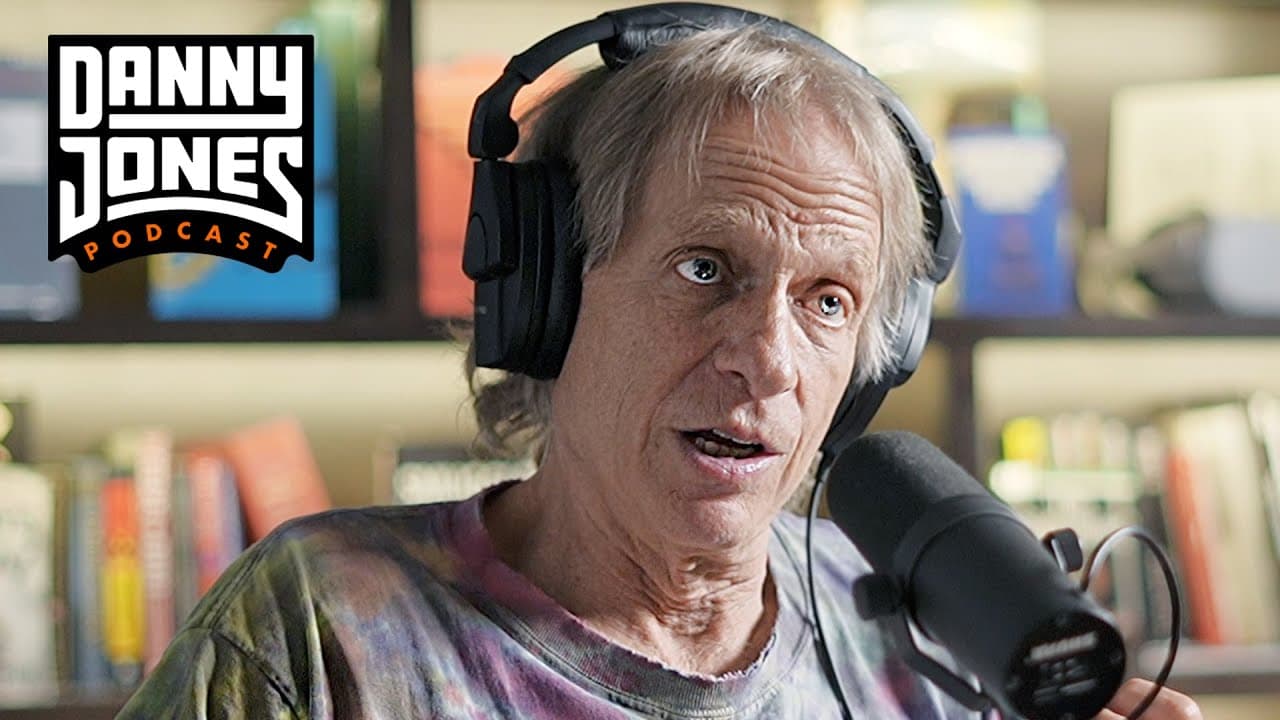
What Drives Human Behavior: Is It Fear of Death?
TL;DR
The awareness of mortality significantly influences human behavior, as posited by Ernest Becker. It acts as a fundamental motivator behind our quest for meaning in life, shaping culture and societal roles that help mitigate death anxiety. By confronting our inevitability of death, we can create a sense of purpose and value in our lives.
Transcript
foreign thank you so much for joining me today my pleasure to book your book The Worm at the core is fascinating thought-provoking um it really got me excited because it's something that I've always thought about the worm at the core what drives what is the fundamental most foundational driver for human consciousness and like I just showed you that... Read More
Key Insights
- 🤩 Death awareness is a key motivator in shaping human thoughts and actions, leading to the quest for meaning.
- 😨 Across cultures, shared narratives help individuals process existential fears related to mortality.
- 🦻 Psychedelic experiences are being recognized for their therapeutic potential, aiding in the acceptance of death.
- 🥺 Modern politics can exploit death anxiety, leading individuals to embrace strongman leaders promising security.
- 🤟 Everyday acts of kindness contribute to a broader understanding of heroism, highlighting the value of small gestures.
- 👶 Mental health can be deeply intertwined with death anxiety, necessitating new approaches to treatment.
- 🤑 Embracing impermanence may cultivate richer interpersonal connections and greater appreciation for life.
- 🎙️ More videos with Sheldon Solomon:
Install to Summarize YouTube Videos and Get Transcripts
Explore YouTube Video Summarizer or Get YouTube Transcript Extractor
Questions & Answers
Q: What is the primary theme discussed in relation to human behavior?
The primary theme revolves around the idea that the awareness of one's mortality profoundly influences human behavior. According to Ernest Becker, this fear of death acts as a driving force behind many motivations, leading individuals to seek meaning and value in life while navigating existential anxieties.
Q: How does culture help individuals manage death anxiety?
Culture provides shared beliefs and narratives that offer meaning and value in life, helping to reduce death anxiety. By participating in cultural practices that affirm life’s significance—such as religion, storytelling, and community engagement—individuals can find a sense of comfort in the face of mortality.
Q: What role do psychedelics play in understanding death anxiety?
Psychedelics have been shown to help individuals, especially those facing terminal illnesses, reframe their understanding of death. These substances can evoke profound experiences of connection and transcendence, leading to reduced anxiety about death and fostering feelings of gratitude and interconnectedness with the universe.
Q: How does the concept of "heroism" expand in relation to life’s meaning?
Heroism is viewed in two ways: the traditional 'Heroes' with a capital 'H', like historical figures, and lowercase 'h' heroism, which is displayed in everyday acts of kindness and compassion. This broader definition encourages individuals to recognize that ordinary actions can have profound impacts on others' lives, contributing to a meaningful existence.
Q: In the discussion of politics, how are existential anxieties linked to support for certain leaders?
The conversation suggests that individuals experiencing existential anxiety may gravitate towards ideological leaders who evoke fear and provide simple solutions to complex problems. This psychological mechanism can lead to increased support for politicians who use fear-based rhetoric, as they promise security in uncertain times.
Q: What insights does Becker’s work provide regarding mental health?
Becker’s work implies that many psychological disorders could be viewed as maladaptive responses to death anxiety. Those suffering from various mental health issues might experience heightened symptoms when reminded of their mortality, suggesting a complex relationship between existential fears and mental health management.
Q: How does knowledge of mortality impact self-esteem according to the podcast?
Knowledge of mortality can paradoxically lower the need for conventional self-esteem while encouraging individuals to focus on deeper connections and contributions within their communities. Recognizing life’s temporary nature may lead to a sense of purpose that transcends superficial achievements.
Q: What potential future societal shifts are discussed in relation to death anxiety?
The conversation hints at the need for societal shifts that integrate collective experiences of death and mortality into cultural practices, potentially fostering greater compassion and understanding. Such shifts could counteract current divisive politics and enhance community resilience.
Summary & Key Takeaways
-
The conversation reflects on Ernest Becker’s theory, which posits that the awareness of mortality is a fundamental driver of human behavior, influencing our search for meaning.
-
The importance of culture and societal structures is emphasized as essential in mitigating death anxiety, helping individuals find a sense of purpose and value in life despite the inevitability of death.
-
Perspectives on artificial intelligence and psychedelic experiences highlight their potential for expanding consciousness and addressing existential fears, suggesting possibilities for enhanced psychological well-being.
Read in Other Languages (beta)
Share This Summary 📚
Summarize YouTube Videos and Get Video Transcripts with 1-Click
Try YouTube Summary with ChatGPT & Claude or YouTube Transcript Generator
Explore More Summaries from Danny Jones Podcast 📚





Summarize YouTube Videos and Get Video Transcripts with 1-Click
Try YouTube Summary with ChatGPT & Claude or YouTube Transcript Generator