Is the AI Bubble About to Burst? CEOs Weigh In
TL;DR
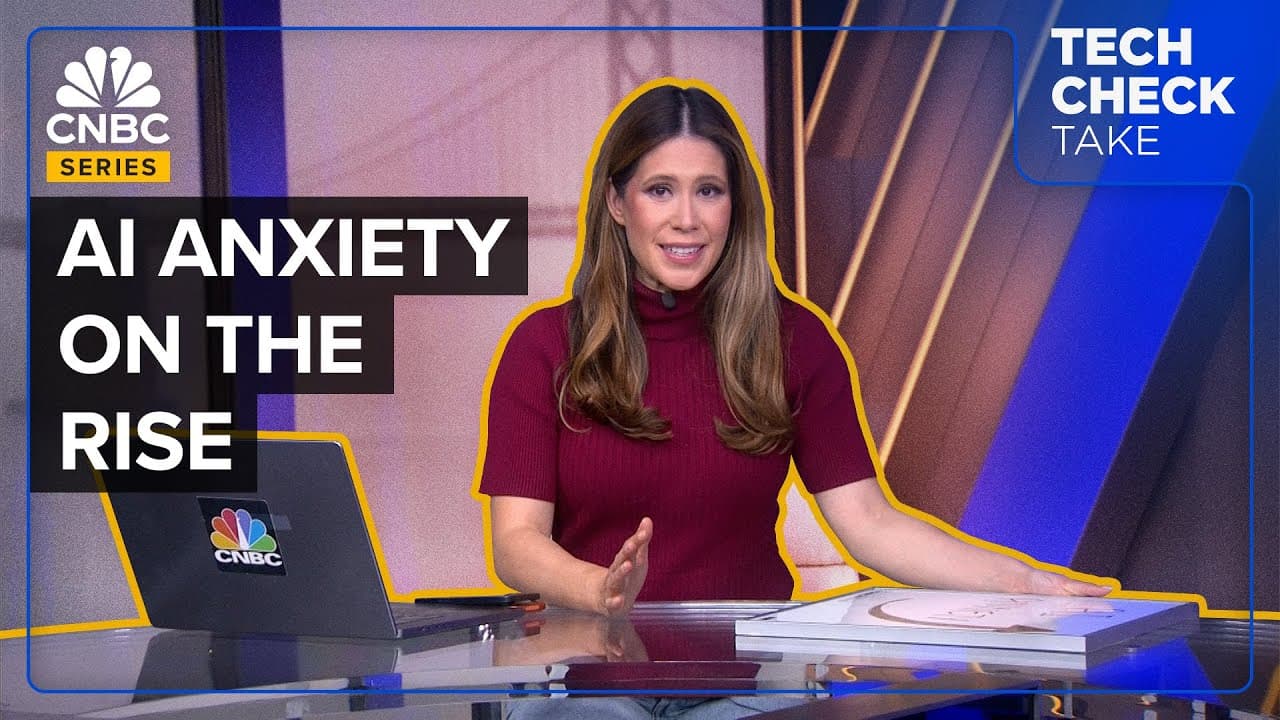
Short sellers like Michael Burry and Jim Chanos warn the AI boom is increasingly financed by debt rather than profits, making it riskier. Burry argues the AI buildout is a recurring expense treated as a one-time investment. Yet CEOs like Replit's Amjad Masad and AMD's Lisa Su say enterprise adoption and real productivity are accelerating, not slowing.
Transcript
From euphoria to fear. Fears about valuations in the AI trade weighing on tech stocks. All but one member of the Mag 7 down today. Optimism to doubt. Another day of tech underperformance on some concerns about AI growth. Signs the market's turning on AI. The last week in terms of the shift from investors about how they think about AI and that... Read More
Key Insights
- The AI infrastructure boom is increasingly financed by loans, bonds, and securitized debt rather than venture capital and profits, the same way cheap money fueled the dot-com and housing bubbles. Debt financing makes everything more risky and everyone more vulnerable.
- Michael Burry's warning is that the AI buildout is being treated like a one-time investment when it is really a recurring expense, creating a depreciation tsunami waiting to hit the balance sheets of companies fueling the boom.
- Debt issuance from just three companies in September and October was larger than all of tech debt issuance in the preceding three years, signaling how quickly leverage is entering the AI trade.
- Bank of America concludes there are plenty of watch out signals in the AI trade, like Mag 7 market cap concentration, frothy valuations, and global and retail buy in, but the get out red flags are not yet flashing because interest rates are not rising and yields are not spiking.
- Coreweave shares dropped 16% to two month lows despite posting better than expected revenue, as investors were disappointed by the company's revenue guidance.
- Replit reports the AI coding category grew roughly ten times, from Copilot alone at 500 million ARR two years ago to about 5 billion ARR across ten plus players today, with multiple companies making money.
- Replit's Agent 3 can run autonomously for 200 minutes or more, building an app, starting a browser, and testing it, and helped take the company from 3 million ARR to 250 million ARR in about ten months.
- AMD CEO Lisa Su says every one of the company's largest customers can now see an inflection point where demand is accelerating, because enterprises are starting to get real productivity out of AI use cases after an initially slow start.
Install to Summarize YouTube Videos and Get Transcripts
Explore YouTube Video Summarizer or Get YouTube Transcript Extractor
Questions & Answers
Q: Why are investors worried about an AI bubble right now?
Investors are worried because the AI trade is starting to show cracks from a thousand tiny cuts rather than one headline. Short sellers like Michael Burry and Jim Chanos are getting louder, valuations look frothy, and market cap is heavily concentrated in the Mag 7 and AI. Most importantly, the AI infrastructure boom is increasingly financed by loans, bonds, and securitized debt rather than venture capital and profits, which makes everything more risky and everyone more vulnerable.
Q: What is Michael Burry's warning about the AI buildout?
Michael Burry, the original Big Short investor, warns that the AI buildout is being treated like a one-time investment when it is really a recurring expense. He describes this as a depreciation tsunami waiting to hit the balance sheets of the companies fueling the boom. Burry has also accused some of the biggest tech companies of using aggressive accounting methods to pad their profits from the AI boom, adding to the skepticism about how sustainable current earnings are.
Q: How is debt changing the risk of the AI trade?
Debt is now underpinning the next leg of the AI trade, replacing venture capital and profits as the primary fuel. The same way cheap money financed the dot-com and housing bubbles, the AI infrastructure boom is increasingly funded by loans, bonds, and securitized debt. In September and October, debt issuance from just three companies was larger than all of tech debt issuance in the preceding three years. Once heavy debt financing gets involved, everything becomes more risky and everyone more vulnerable.
Q: What are Bank of America's watch out and get out signals for AI?
Bank of America published a note gauging the AI trade through watch out and get out signals from past booms and bubbles. Watch out means investors should be cautious, and get out means they should sell. The note concludes there are plenty of watch outs right now, like Mag 7 and AI market cap concentration, frothy valuations, and global and retail buy in. However, the red flag get out tells are not yet flashing because interest rates are not rising and yields are not spiking.
Q: What happened to Coreweave's stock after earnings?
Coreweave crumbled after its earnings report, with shares dropping 16% to two month lows. This happened despite the company posting better than expected revenue. Investors were disappointed by the company's revenue guidance rather than its actual results. The reaction illustrates the broader shift in sentiment, where even companies beating revenue expectations can see sharp selloffs as the market grows more skeptical about AI growth and the return on heavy spending.
Q: What does Replit CEO Amjad Masad say about the vibe coding market?
Amjad Masad says the AI coding space has grown dramatically. Two years ago Copilot was essentially the only player at around 500 million ARR, but adding up all the companies in vibe coding today reaches roughly 5 billion ARR, a ten times increase in revenue. The category went from one player to ten plus players, and he says they are all making money. He admits hype has cooled and some startups earn less than before, but says Replit is still making a lot of money.
Q: How is Replit approaching profitability and going public?
Amjad Masad says Replit does have margins and is on its way to being profitable next year, including on a cash flow basis. Unlike almost every other AI startup founder he talks to, he actually wants to be a public company and has not been scared off by the hamster wheel of quarterly earnings that other CEOs resist. He attributes the strength to serving professionals, doing the work around security and reliability, and landing enterprise, finance, healthcare, and government customers.
Q: What enterprise and government adoption is Replit seeing?
Replit has signed government deals with Saudi Arabia and Jordan, plus big banks in Japan, and works with finance, healthcare, and government customers. Masad says most deals are inbound because people already use the product, such as Humane, the national AI company in Saudi Arabia. He cites strong outcomes: a Fortune 5000 company added $100 million in top-line revenue from an internally built app, a UK doctor built a healthcare app for 500 pounds instead of a 100,000 pound quote, and a finance entrepreneur secured 500,000 in annual deals.
Summary & Key Takeaways
-
Fears about AI valuations are weighing on tech stocks, with skeptics like Michael Burry and Jim Chanos getting louder. Burry accuses big tech of aggressive accounting, while Chanos throws cold water on Anthropic's $50 billion data center plans. The key shift is that debt now underpins the next leg of the AI trade.
-
Bank of America frames the moment through watch out and get out signals. Watch outs like Mag 7 concentration, frothy valuations, and retail buy in are present, but get out tells are not flashing since rates are stable. Airbnb's Brian Chesky says the market is leaving excitement but not yet in mania.
-
Replit CEO Amjad Masad counters bubble fears with strong enterprise adoption, signing government deals in Saudi Arabia and Jordan and banks in Japan. He targets profitability and positive cash flow next year, wants to go public, and cites customers building valuable apps, including a Fortune 5000 firm that added $100 million in revenue.
Read in Other Languages (beta)
Share This Summary 📚
Summarize YouTube Videos and Get Video Transcripts with 1-Click
Try YouTube Summary with ChatGPT & Claude or YouTube Transcript Generator
Explore More Summaries from CNBC 📚






Summarize YouTube Videos and Get Video Transcripts with 1-Click
Try YouTube Summary with ChatGPT & Claude or YouTube Transcript Generator