How Do Baby Crocodiles Get Tagged for Conservation?
TL;DR
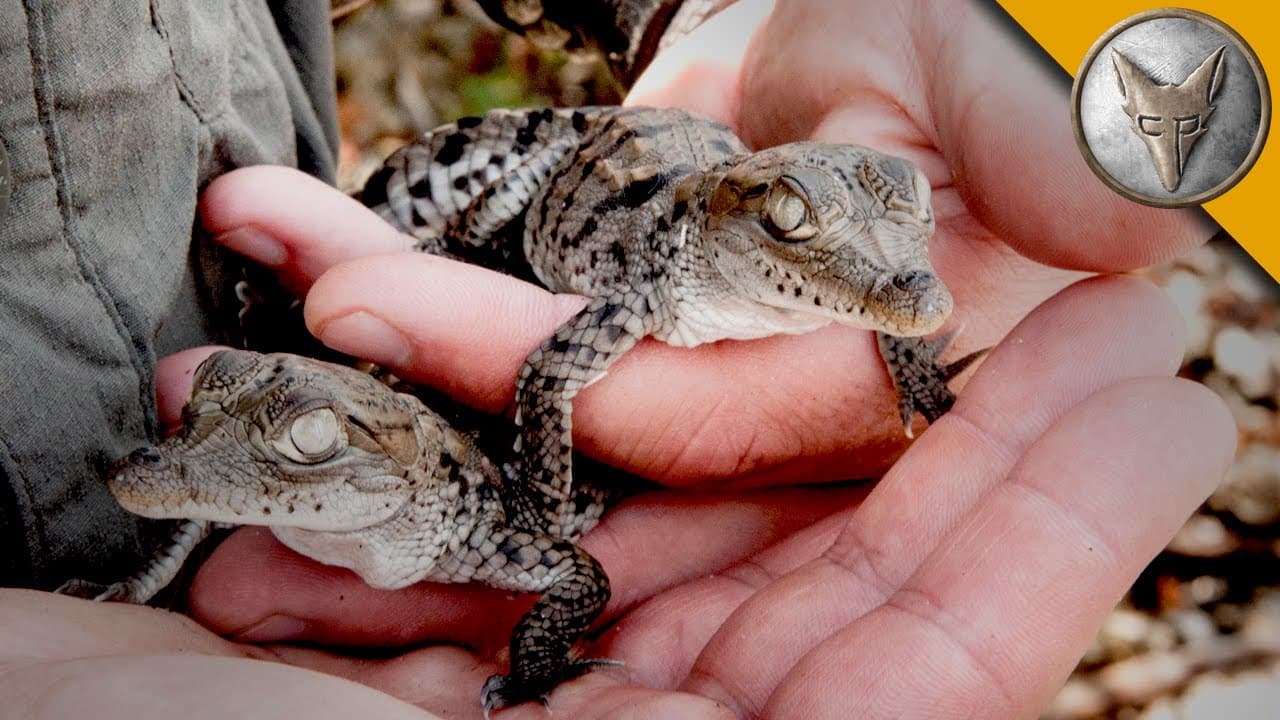
Baby crocodiles are tagged for conservation by wildlife biologists who retrieve them from nests in a nuclear power plant’s cooling canals, which provide excellent nesting habitats. The tagging process involves weighing the hatchlings, cutting a piece of their scutes for identification, and implanting a tracking chip before they are released back into the wild.
Transcript
- I'm Coyote Peterson, he's Mario Aldecoa and common sense might tell you, never wander into a nest full of crocodiles. But tonight, we're looking to do just that. (adventure themed music) Tonight we're in Homestead, FL on the grounds of Turkey Point, which is a nuclear power plant facility. This location is home to one very unique conservation... Read More
Key Insights
- ✊ The nuclear power plant facility unexpectedly turned out to be an excellent nesting habitat for American Crocodiles.
- ❤️🔥 Fire ants are a major predator for hatchlings, but the female crocodiles move them to safer locations to protect them.
- 🐊 Tagging the crocodiles allows researchers to gather important data on their population and track individual crocodiles in the future.
Install to Summarize YouTube Videos and Get Transcripts
Explore YouTube Video Summarizer or Get YouTube Transcript Extractor
Questions & Answers
Q: What is the purpose of retrieving and tagging the baby crocodiles?
The purpose is to gather data on the crocodile population and track individuals if they are captured again in the future. This information helps monitor the success of conservation efforts.
Q: Are the crocodiles in the area radioactive?
No, the crocodiles are not radioactive. The nuclear power plant facility has created a favorable nesting habitat for them, but there is no radiation contamination.
Q: How do fire ants affect the hatchlings?
Fire ants are a big predator for hatchlings. If left unattended, fire ants can kill the hatchlings. Fortunately, the female crocodiles transport the hatchlings to water before they can be preyed on by fire ants.
Q: What is the significance of building ponds on the islands?
The ponds provide fresh water, and the female crocodiles transport the hatchlings to these ponds. This increases the chances of survival for the hatchlings. The ponds serve as safe habitats for them.
Summary & Key Takeaways
-
Wildlife Biologist Mario Aldecoa and Coyote Peterson visit a nuclear power plant facility in Florida to retrieve and tag baby crocodiles.
-
The facility's cooling canals turned out to be excellent nesting habitat for American Crocodiles.
-
Fire ants are a major predator for hatchlings, but luckily, the female crocodiles transport them to safer locations.
Read in Other Languages (beta)
Share This Summary 📚
Summarize YouTube Videos and Get Video Transcripts with 1-Click
Try YouTube Summary with ChatGPT & Claude or YouTube Transcript Generator
Explore More Summaries from Brave Wilderness 📚

Summarize YouTube Videos and Get Video Transcripts with 1-Click
Try YouTube Summary with ChatGPT & Claude or YouTube Transcript Generator