What Are the Best Tips for Better Sleep?
TL;DR
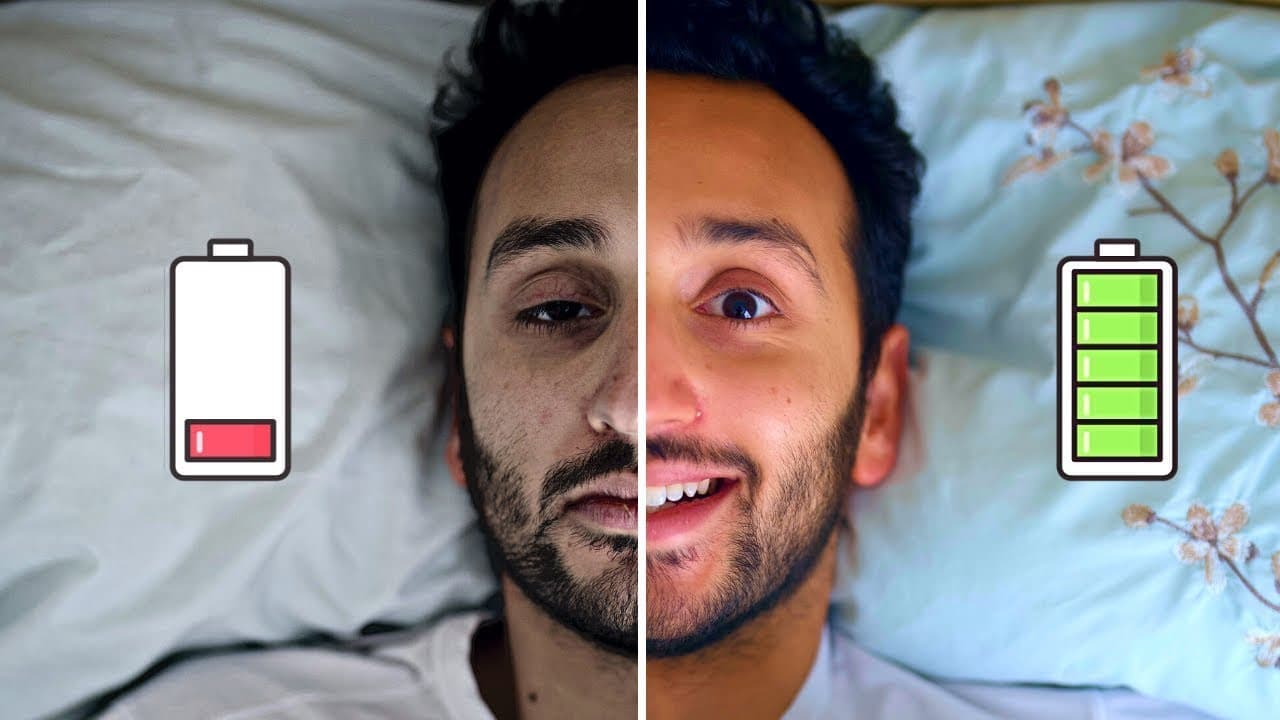
To improve sleep quality, establish a consistent sleep schedule, aiming for 7-8 hours of rest per night. Exposure to morning sunlight helps regulate your circadian rhythm, while managing caffeine intake and minimising light exposure in the evening are crucial for preparing your body for sleep. Incorporating these evidence-based tips can significantly enhance your sleep routine.
Transcript
over the last few months I've interviewed a bunch of Sleep Experts and listened to loads of podcasts and read loads of books all about the science behind effective sleep and these are the nine evidence-based things that I've built into my routine to help me get an amazing night's sleep and feel well rested throughout the day let's get started first... Read More
Key Insights
- 💤 Sleeping for around 7-8 hours each night is ideal for a healthy adult, but finding the right amount that makes you feel happy and productive the next day is key.
- 💃 Building a consistent sleep rhythm, with regular sleep and wake times, helps regulate the body's internal sleep drive and makes it easier to fall asleep and wake up.
- ☀️ Exposing yourself to morning sunlight triggers the release of cortisol and epinephrine, making you feel awake and alert, and sets your circadian clock for a sleepy signal later in the evening.
- ♀️ Exercising in the morning can boost energy levels throughout the day and promote a more restful sleep at night.
- ☕ Caffeine acts as an adenosine antagonist, blocking sleep signals, so it's best to avoid it for the first hour of the day and stop consuming it after 2-3 pm to prevent interference with sleep.
- 🌅 Getting evening sunlight for 10-30 minutes before sunset signals to your internal clock that the day is ending and encourages sleepiness later in the evening.
- 🔆 Avoiding artificial lights, especially bright ones, after 8 pm helps prevent the brain from thinking it's daytime and releasing wakefulness-inducing hormones.
- 💡 Dimming lights, using low-positioned warm lights like lamps or candles, and reducing screen time before bed helps prepare the body for sleep by mimicking the natural drop in light during the evening.
- 🌡️ Keeping the bedroom cool, ideally with a temperature drop of 1-3 degrees Celsius, promotes better sleep and helps the body prepare for restorative rest.
Install to Summarize YouTube Videos and Get Transcripts
Explore YouTube Video Summarizer or Get YouTube Transcript Extractor
Questions & Answers
Q: How important is sleep duration for overall health?
Sleep duration is essential for maintaining overall health and well-being. Research suggests that most adults require between seven and nine hours of sleep each night for optimal functioning. Inadequate sleep duration has been linked to various negative health outcomes, including weight gain, heart disease, depression, and an increased risk of mortality. It is crucial to prioritize getting enough sleep to support physical and mental health.
Q: How does morning sunlight exposure impact sleep quality?
Morning sunlight exposure plays a vital role in regulating the body's circadian rhythm, also referred to as the internal 24-hour clock. When sunlight hits the retina in our eyes, it triggers the release of cortisol and epinephrine, promoting alertness and wakefulness. This exposure early in the day helps set our internal clock, making it easier to feel properly tired in the evening. Morning sunlight exposure also helps initiate the release of melatonin, a hormone responsible for promoting sleep later in the evening.
Q: Can late-night caffeine consumption impact sleep quality?
Yes, consuming caffeine, such as coffee, too late in the day can interfere with sleep quality. Caffeine acts as an adenosine antagonist, blocking adenosine receptors in the brain, which would induce a sleepy feeling. Drinking caffeine in the late afternoon or evening can delay the onset of sleep and disrupt the sleep cycle. It is recommended to avoid consuming caffeinated drinks after 2 or 3 pm to ensure better sleep quality.
Q: Why is it important to create a cool sleeping environment?
Maintaining a cool sleeping environment is beneficial for falling asleep and achieving restful sleep. Our bodies need a slight drop in temperature to initiate and maintain sleep. Setting the bedroom temperature between 18-20 degrees Celsius is ideal for most individuals. Cooler temperatures promote relaxation and can prevent discomfort caused by overheating during sleep. Additionally, using fans or air conditioning can help regulate the room temperature and enhance sleep quality.
Q: How does exercise timing affect sleep?
Timing exercise appropriately throughout the day can positively impact sleep quality. Engaging in exercise, particularly in the morning, can help increase alertness and energy levels for the day. It also sets the body up for healthy sleepiness in the evening, as physical activity tires the body and promotes a need for sleep to aid in recovery. However, exercise too close to bedtime can have the opposite effect, leading to difficulty falling asleep due to increased alertness. It is recommended to schedule exercise earlier in the day for better sleep quality.
Q: Does evening sunlight exposure affect sleep quality?
Yes, evening sunlight exposure influences sleep quality. The melanopsin neurons in our eyes respond to the specific color and intensity of evening sunlight, signaling to our circadian clock that the day is coming to an end. This triggers a release of hormones like melatonin, preparing the body for sleep. Spending 10-30 minutes in direct evening sunlight within a few hours of sunset helps regulate the sleep-wake cycle and promotes better sleep quality.
Q: How can managing bright lights in the evening improve sleep?
Bright lights, particularly artificial lights, in the evening can disrupt the natural sleep-wake cycle and make it harder to fall asleep. Bright lights mimic the effect of sunlight and signal that it is still daytime, leading to increased alertness and reduced melatonin production. To improve sleep quality, it is recommended to dim lights in the evening, avoid viewing bright screens (laptops, phones) at least a few hours before bed, and opt for warm, low-positioned lights like lamps or candles instead of overhead lights.
Q: How can energy spikes before bedtime be managed?
Feeling alert or experiencing an energy spike around an hour before bedtime is normal. It is essential to ride out this spike, as trying to force sleep during this period might lead to frustration and difficulty falling asleep. Engaging in activities like reading a book or sticking to normal routine habits can help transition back into a sleepy state. Remember that this wakefulness spike is temporary and will pass, allowing for a smoother transition into restful sleep.
Summary & Key Takeaways
-
The video presents nine evidence-based tips for improving sleep quality, including sleep duration, sleep rhythm, morning sunlight exposure, exercise timing, caffeine consumption, evening sunlight exposure, avoiding bright lights in the evening, managing energy spikes before bedtime, and creating a cool sleeping environment.
-
Maintaining a consistent sleep schedule and getting 7-8 hours of sleep each night are crucial for a healthy sleep routine.
-
Morning sunlight exposure helps regulate the body's circadian rhythm and promotes alertness, while evening sunlight exposure signals the end of the day and prepares the body for sleep.
-
Timing exercise in the morning can enhance morning energy and promote healthier sleep in the evening.
-
Managing caffeine consumption by avoiding it in the afternoon and evening can prevent interference with sleep quality.
-
Avoiding bright lights and screens before bed and creating a cool sleeping environment aid in falling asleep and maintaining restful sleep.
Read in Other Languages (beta)
Share This Summary 📚
Summarize YouTube Videos and Get Video Transcripts with 1-Click
Try YouTube Summary with ChatGPT & Claude or YouTube Transcript Generator
Explore More Summaries from Ali Abdaal 📚



Summarize YouTube Videos and Get Video Transcripts with 1-Click
Try YouTube Summary with ChatGPT & Claude or YouTube Transcript Generator