Why Do Filmmakers Use Teal and Orange Color Grading?
TL;DR
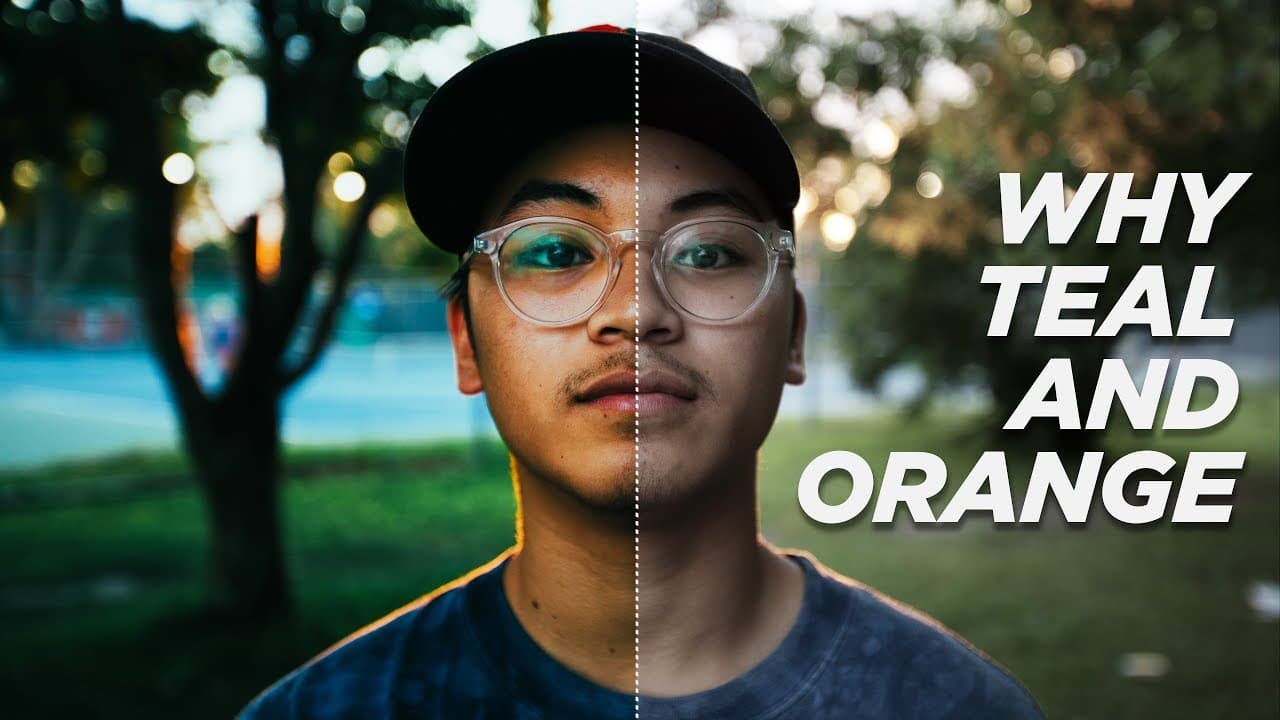
Filmmakers use teal and orange color grading because it enhances storytelling by providing strong contrast with skin tones, which naturally fall within the orange section of the color wheel. Teal is the complementary color that makes characters stand out, drawing viewers' attention to them. This technique is grounded in color science, not just a passing trend.
Transcript
- Hey guys, welcome to Travel Feels. My name is Matti. Today we're gonna talk about teal and orange. Is it good? Is it bad? Is it just a trend? Should you be doing it? Let's find out. Let's get into it. (electronic music) So, in filmmaking, there's ton of trends that come and go. For example, the trendy zoom transitions, and those different transit... Read More
Key Insights
- 🧡 The teal and orange color grade in filmmaking is not just a trend but based on the science of color and skin complexions.
- 🔸 Skin tones, regardless of complexion, fall within a small section of the color wheel, making orange and teal complementary colors.
- 🧡 Using complementary colors like teal and orange creates pleasing contrast and makes subjects stand out in the image.
- 🧡 The intensity and style of the teal and orange look can vary, but the color combination remains popular and effective in enhancing storytelling.
- 🧡 The teal and orange look is widely used in Hollywood films because it focuses attention on characters and creates a visual contrast.
- 🧡 Using the teal and orange look in color grading can enhance the storytelling by utilizing the natural color of skin tones.
- 🧡 Skin tones that deviate too much from the natural range can appear unnatural to viewers.
Install to Summarize YouTube Videos and Get Transcripts
Explore YouTube Video Summarizer or Get YouTube Transcript Extractor
Questions & Answers
Q: Why is the teal and orange look popular in filmmaking?
The teal and orange look is popular because it creates color contrast, making subjects stand out, and enhances storytelling by drawing the viewer's attention to the characters.
Q: What is the science behind the teal and orange look?
The teal and orange look is based on the complementary colors of teal and orange, which create pleasing contrast, particularly with skin tones that all fall within a small section of the color wheel.
Q: Can the teal and orange look be used in different styles or intensities?
Yes, the teal and orange look can be used in various styles and intensities, from extreme saturation to more subtle versions, depending on the desired effect and storytelling approach.
Q: Why do Hollywood films often use the teal and orange color palette?
Hollywood films often use the teal and orange color palette because it enhances storytelling by focusing the viewer's attention on the characters and creates a pleasing visual contrast.
Summary & Key Takeaways
-
The teal and orange look is popular in filmmaking because it creates color contrast using complementary colors, making subjects pop out of the image.
-
Skin complexions, regardless of complexion, all fall within the same section of the color wheel, making orange and teal complementary colors to enhance skin tones.
-
The teal and orange look is not limited to a specific intensity or style, but the color combination remains popular and effective in enhancing storytelling.
Read in Other Languages (beta)
Share This Summary 📚
Summarize YouTube Videos and Get Video Transcripts with 1-Click
Try YouTube Summary with ChatGPT & Claude or YouTube Transcript Generator
Explore More Summaries from Matti Haapoja 📚
Summarize YouTube Videos and Get Video Transcripts with 1-Click
Try YouTube Summary with ChatGPT & Claude or YouTube Transcript Generator