How to Optimize NFT Generation Using Parallel Processing?
TL;DR
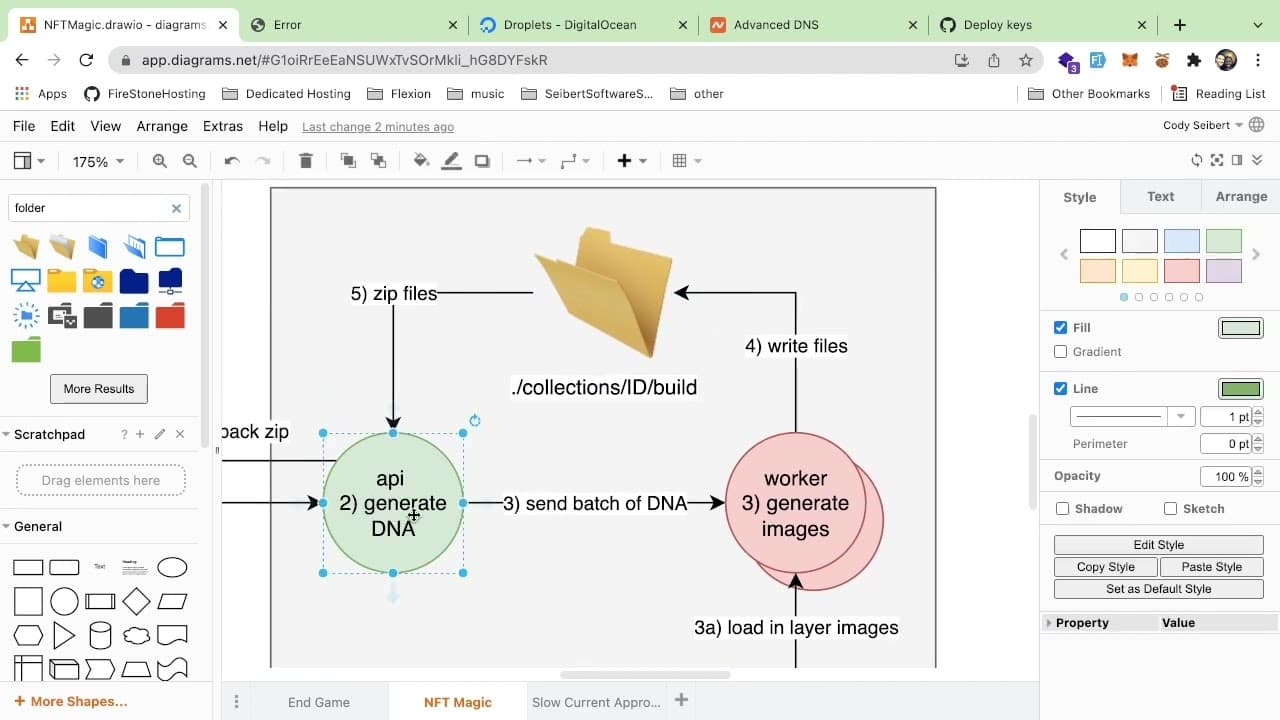
To optimize NFT generation, implement parallel processing to handle tasks simultaneously, reducing the time required for bulk image creation. Instead of a single-threaded approach, utilize event queues and worker nodes to distribute the workload efficiently. This shift can significantly improve user experience, especially when generating large batches of NFTs.
Transcript
hey everyone so if you've been following along i've been working on this project called nft magic where basically you can upload a zip file that has config it describes a bunch of layer folders and it's going to take those images that are in the layer folders and combine them into random nft images using some type of rarity delimiter and you can go... Read More
Key Insights
- 🤐 Users can generate unique NFT images by uploading a zip file containing different layer images, which the system combines based on configurations.
- 🥺 Creating 10,000 NFTs in bulk can lead to user frustration due to lengthy processing times; enhancements are needed for improved experience.
- 👻 Implementing parallel processing techniques allows for distributing the computational load, making NFT creation faster and more efficient.
- 🆘 Systems drawn with diagrams can help visualize processes and identify opportunities for optimization in complex scenarios.
- 🎨 Experimentation with design approaches is encouraged to discover what works best, rather than getting bogged down in the initial design phase.
- 🏍️ The need for a robust feedback cycle is vital in assessing the effectiveness of implemented changes in the NFT generation process.
- 🤩 Deciding between caching images in memory or writing them to disk is a key design consideration that impacts both performance and user experience.
Install to Summarize YouTube Videos and Get Transcripts
Explore YouTube Video Summarizer or Get YouTube Transcript Extractor
Questions & Answers
Q: What is the purpose of the NFT Magic project?
The NFT Magic project is designed to streamline the process of creating non-fungible tokens (NFTs) by allowing users to upload image layers in a zipped format, which are then randomly combined to produce unique NFT images based on the provided configuration, enhancing user experience and output efficiency.
Q: Why is generating 10,000 NFTs time-consuming?
Generating 10,000 NFTs is time-consuming because each image requires several processing steps, including extracting layer images, creating random DNA strings that determine which layers to use, rendering each NFT on a canvas, and finally zipping files for user download. These tasks, particularly when performed sequentially, can collectively take a significant amount of time.
Q: What optimization technique does the creator suggest for speeding up NFT generation?
The creator suggests implementing parallel processing where multiple workers handle individual tasks simultaneously. By generating DNA strings in batches and delegating image creation to separate worker instances, the process can be significantly accelerated, reducing wait times for users.
Q: How does parallel processing improve the NFT generation system?
Parallel processing enhances the NFT generation system by distributing the workload across multiple workers, allowing simultaneous execution of tasks such as image layering and rendering. This leads to a more efficient use of system resources and considerably shorter completion times compared to a sequential approach.
Q: What tools or methods might be used for parallel processing in this context?
Potential tools for parallel processing include event queues like RabbitMQ or simple inter-API calls within separate express applications. These facilitate message passing between processes, enabling scalable and responsive NFT generation without the excessive complexity of a more robust message broker infrastructure.
Q: What is the importance of experimenting with system design before final implementation?
Experimenting with system design allows developers to quickly identify potential flaws and performance issues in their initial approach. This iterative process of testing and refinement helps ensure that the final implementation meets efficiency and usability standards without excessive upfront investment in design complexity.
Q: What are some considerations when deciding whether to write images to disk or keep them in memory?
Considerations include the size of the images, the potential for memory overload with large batches, server capabilities, and the trade-offs between I/O speed versus memory access speed. Understanding the operating environment and user volume is crucial to making an informed choice between these two methods.
Summary & Key Takeaways
-
The NFT Magic project allows users to upload a zipped file containing image layers, which the system will then combine randomly to generate unique NFT images based on specified configurations.
-
The creator addresses the slow process of generating numerous NFTs, especially when users request large batches, like 10,000 images, which can take several minutes without optimization.
-
The video illustrates the proposed shift from a single-threaded generation process to a parallel processing system, discussing the potential benefits of using event queues and worker nodes for improved efficiency.
Read in Other Languages (beta)
Share This Summary 📚
Summarize YouTube Videos and Get Video Transcripts with 1-Click
Try YouTube Summary with ChatGPT & Claude or YouTube Transcript Generator
Explore More Summaries from Web Dev Cody 📚
Summarize YouTube Videos and Get Video Transcripts with 1-Click
Try YouTube Summary with ChatGPT & Claude or YouTube Transcript Generator