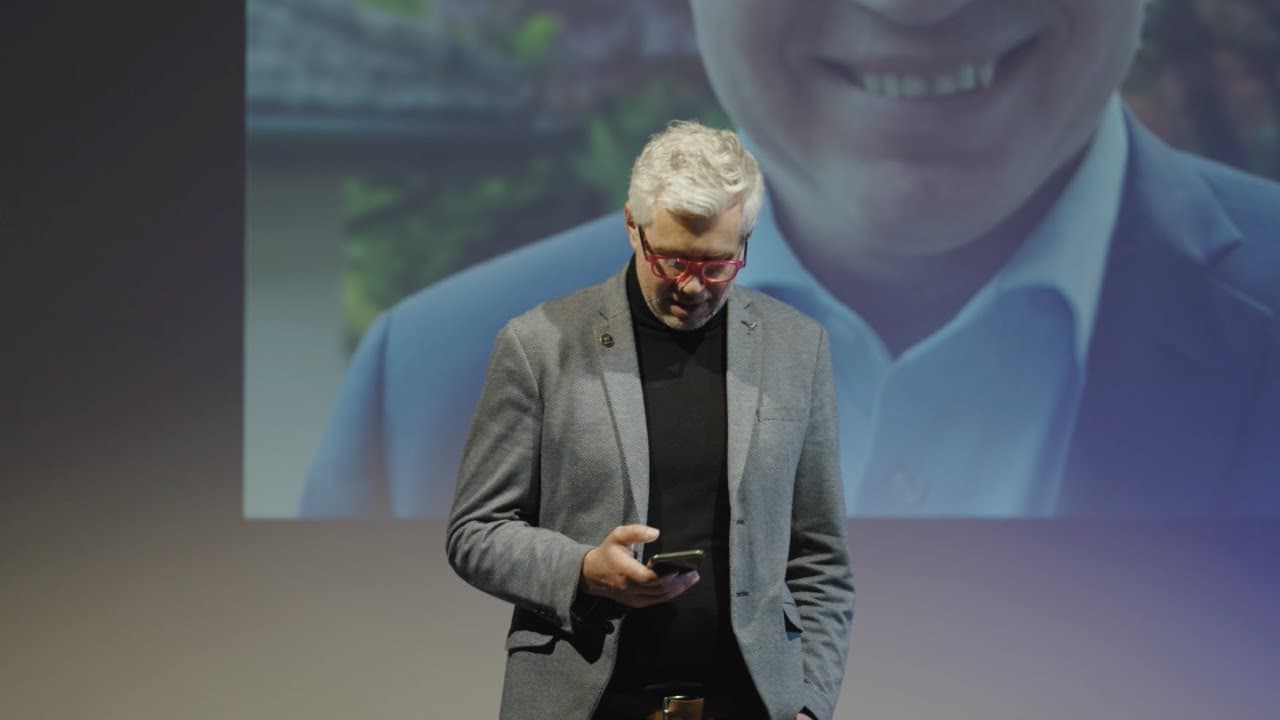
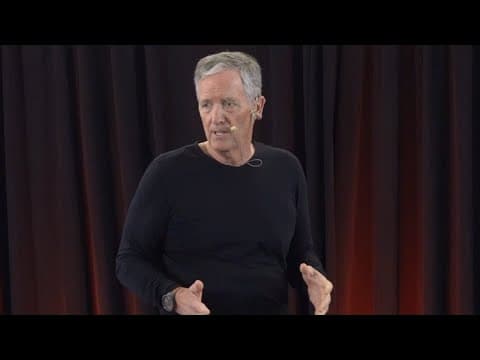
The power of words | Simeon Bennet | TEDxLa Cote International School
TL;DR
The power of words can significantly influence change by inspiring, motivating, and inciting action in others. Historical speeches by leaders like Nelson Mandela, Winston Churchill, and Martin Luther King Jr. demonstrate how carefully chosen words can build movements and shape societal values. In today's digital age, the impact of our words is magnified, highlighting the need for mindful communication on social media.
Transcript
Transcriber: Hang Chen Reviewer: Mujtaba bakhet During my lifetime. I have dedicated myself to this struggle of the African people. I have fought white domination. I have fought black domination. I have cherished the ideal of a democratic and free society in which all persons live in harmony and with equal opportunities. It is an ideal which I hope... Read More
Key Insights
- 😯 Influential speeches by historical figures like Mandela, Churchill, and King demonstrate how words can shape society.
- 😯 Speeches serve as catalysts for change, aiming to persuade, inspire, or incite action in listeners.
- 🖐️ Language choice plays a crucial role in effective communication, especially for non-native speakers or diverse audiences.
- ✊ The power of social media enhances individual voices but also underscores the need for responsible and mindful communication.
- 🔑 Words possess the ability to uplift, empower, incite conflict, or drive reconciliation in society.
- 😯 The impact of speeches can transcend generations, influencing the future trajectory of society.
- 💁 Effective communication involves not only conveying information but also motivating audiences to enact change.
Install to Summarize YouTube Videos and Get Transcripts
Explore YouTube Video Summarizer or Get YouTube Transcript Extractor
Questions & Answers
Q: How did Nelson Mandela, Winston Churchill, and Martin Luther King Jr. use speeches to influence change?
These iconic figures utilized powerful words to inspire action and bring about significant societal shifts, demonstrating the profound impact speeches can have on the world.
Q: What distinguishes a speech from a lecture in terms of its intent?
Unlike lectures that primarily convey information, speeches aim to evoke emotions, motivate, and prompt audiences to take specific actions, emphasizing their transformative nature beyond mere dissemination of facts.
Q: How did the speaker's experience with word choice in a speech for Dr. Tedros highlight the importance of considering language barriers?
The anecdote underscores the significance of selecting words that resonate with diverse audiences, emphasizing the necessity of clear and universally understandable language, especially for non-native English speakers, to ensure effective communication.
Q: How has social media altered the impact of words in the digital age?
Social media amplifies the reach of individual voices but also underscores the responsibility of users to consider the repercussions of their words, illustrating how online communication can influence global perspectives and interactions.
Summary
This video discusses the power of speeches and words to change the world. It highlights three famous speeches by Nelson Mandela, Winston Churchill, and Martin Luther King Jr. The speaker, Simeon Bennett, acknowledges that speeches are more than just imparting information; they aim to have an impact on the audience and motivate them to take action. Words have the power to build up or tear down, create or destroy, and can be used as weapons depending on how they are used. The speaker also emphasizes the responsibility of using words carefully, especially in the era of social media, where messages can reach a global audience instantly.
Questions & Answers
Q: What are three famous speeches mentioned in the video?
The three speeches mentioned in the video are Nelson Mandela's "I am prepared to die" speech, Winston Churchill's "We will fight on the beaches" speech, and Martin Luther King Jr.'s "I have a dream" speech.
Q: How does a speech differ from a lecture?
A speech is not just about imparting information, but also intends to have an impact on its audience and inspire them to take action. On the other hand, a lecture is primarily focused on imparting information for retention or examination purposes.
Q: How does the speaker describe the use of words in everyday life?
The speaker explains that people use words to achieve their goals, express their emotions, and elicit change from others. Words are chosen not just for information, but to provoke specific reactions and outcomes.
Q: According to the speaker, can words hurt people?
Yes, the speaker argues that words can be just as damaging, if not more so, than physical violence. Words have the power to harm a person's spirit and are capable of inflicting emotional pain.
Q: What is the role of a speechwriter?
A speechwriter's role is to find the right words for someone else, often someone for whom English is not their first language. The goal is to make the words sound like the speaker's own and convey the intended message effectively.
Q: How did the speaker learn the importance of choosing the right words?
The speaker shares an experience where one of his speeches caused confusion because he used a word, "apocalyptic," which was not commonly used by native English speakers and proved challenging for someone for whom English was their third language. This taught the speaker the importance of using language that the audience can comprehend.
Q: What was the impact of Nelson Mandela's speech in the courtroom?
Initially, Mandela's speech did not achieve the desired outcome, as he was sentenced to life in prison. However, his powerful words paved the way for the eventual abolition of apartheid and the birth of a new South Africa.
Q: Did Winston Churchill's speech win the war?
No, Churchill's speech did not end the war immediately but it galvanized a nation that feared being overrun by Nazi Germany. It played a significant role in rallying people and strengthening their resolve to continue the fight.
Q: Was Martin Luther King Jr.'s dream realized in his lifetime?
No, Martin Luther King Jr. did not live to see his dream fully realized, and many would argue that it has yet to be fully realized to this day. However, his speech played a pivotal role in sparking a movement for civil rights that was unstoppable.
Q: How does the speaker see the future of impactful speeches?
The speaker acknowledges that they may never give a speech that changes the world like Mandela, Churchill, or King, but believes that everyone has the power to use words that might change the world for at least one other person. The rise of social media and its global reach has amplified this power, making it important to critically consider the impact of one's words.
Takeaways
The power of words and speeches to change the world cannot be underestimated. History has shown the impact that iconic speeches can have, but individuals have an equally important role to play in choosing and using their words carefully. In the digital age, where social media provides instant global reach, it is crucial to consider the consequences of the words we choose. Words have the potential to bring people together, but they can also contribute to divisiveness. Therefore, it is vital to exercise caution, empathy, and responsibility when using words in any form of communication.
Summary & Key Takeaways
-
Influential speeches by Nelson Mandela, Winston Churchill, and Martin Luther King Jr. showcased the power of words to incite change.
-
Speeches aim to impact and motivate audiences beyond imparting information.
-
Words have the potential to build up or tear down, create peace or incite war.
Read in Other Languages (beta)
Share This Summary 📚
Summarize YouTube Videos and Get Video Transcripts with 1-Click
Try YouTube Summary with ChatGPT & Claude or YouTube Transcript Generator
Explore More Summaries from TEDx Talks 📚
Summarize YouTube Videos and Get Video Transcripts with 1-Click
Try YouTube Summary with ChatGPT & Claude or YouTube Transcript Generator