How to Optimise Study Time with a Full-Time Job

TL;DR
To manage studying while working full-time, structure your day into three segments: tackle demanding tasks in the morning when your energy is highest, reserve high-energy activities for the afternoon, and engage in low-energy, creative tasks in the evening. Use strict deadlines and enjoyable activities to enhance productivity and maintain balance, ensuring your calendar inspires rather than restricts your time.
Transcript
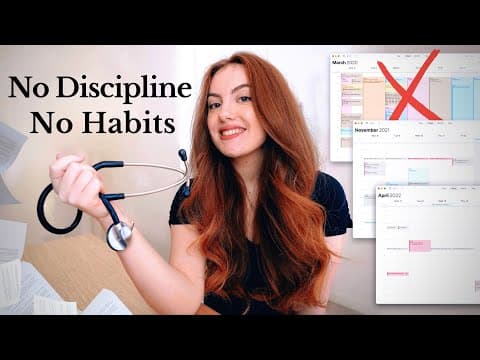
this was me in 2019 but much more interestingly this is my calendar in 2019 at the time i was working five part-time jobs and studying two and a half degrees all at once and actually it was quite a blissful time before i even knew that this productivity video sphere even existed so all of the tips and techniques that i was using to manage my time j... Read More
Key Insights
- 📅 The content discusses the speaker's personal experience of managing multiple jobs and degrees, and how she developed tips and techniques to manage her time effectively.
- 🗓 The speaker emphasizes the importance of understanding your energy levels and the power of temptation throughout the day when scheduling tasks. ⏰ The day is divided into three parts: high energy and high temptation activities, high energy activities, and low energy and high temptation activities.
- 📝 The speaker suggests using the "Mission Impossible" rule, which involves setting strict deadlines and utilizing the concept of primacy and recency to boost productivity.
- 💡 The "PR Rule" states that work expands to fill the time allocated to it. By setting shorter and stricter deadlines, individuals can potentially accomplish more in less time.
- 🌄 The "Morning Story" rule suggests starting the day with something enjoyable to create a positive mindset and set the tone for the rest of the day.
- 🎉 The "fun factor" is an essential part of the calendar, as it ensures a healthy work-life balance and personal enjoyment.
- 📝 Strategic over-planning involves externalizing tasks and to-do lists in the calendar to free up mental space and increase the likelihood of completing them.
Install to Summarize YouTube Videos and Get Transcripts
Explore YouTube Video Summarizer or Get YouTube Transcript Extractor
Questions & Answers
Q: How can I consistently study while working a full-time job?
Divide each day according to the energy a task requires and how tempted you are to avoid it. Put demanding, easy-to-procrastinate study first; schedule enjoyable high-energy activities in the second part; and reserve the final part for appealing creative work that requires less energy.
Q: What is the three-part scheduling formula?
The first part of the day is for high-energy tasks that are easy to avoid, such as exam study or a difficult work project. The second is for enjoyable high-energy activities, while the last is for low-energy personal or creative tasks that remain appealing when temptation is strongest.
Q: How should I decide when to schedule a task?
Ask two questions: how likely are you to avoid the task, and how much energy will it require? The answers determine which of the day's three parts is the best fit.
Q: What is the Mission Impossible rule?
Put reminders or ambitious deadlines for large projects in the calendar even when you may not complete them at that exact time. The calendar then acts as an inspiration and guide, keeping projects such as a newsletter, course, essay, or book present in your mind.
Q: Should I continue working when a scheduled task becomes painful or unproductive?
No—the speaker stops, takes a break, or moves to another task when the work becomes too unenjoyable. The unfinished task can be rescheduled for a more productive time later that day or week instead of treating the calendar as rigid.
Q: What is the PR rule for calendar scheduling?
The PR rule says that work expands to fill the time allocated to it. The speaker therefore uses deliberately short deadlines, such as allowing two hours for a sales page instead of booking a 10-hour shift, because the focused stint can produce more work.
Q: Should a calendar include every step of a project?
The speaker schedules the finished product rather than every intermediate step. For a video, that means adding a publication deadline—such as publishing on Tuesday—rather than separate entries for research, scripting, filming, editing, exporting, and descriptions.
Q: How rigidly should I follow a busy weekly calendar?
Treat the calendar as a guide to how you want to spend your time, not as an inflexible structure. The speaker recommends becoming comfortable with unfinished tasks and changing the schedule when a planned block is no longer productive.
Summary & Key Takeaways
-
The speaker shares their personal experience of managing multiple jobs and degrees simultaneously, leading to the development of effective calendar scheduling techniques.
-
The speaker divides their day into three parts based on energy levels and the power of temptation, scheduling high-energy and high-temptation tasks in the morning, high-energy tasks in the afternoon, and low-energy and creative tasks in the evening.
-
The speaker emphasizes the importance of setting strict deadlines, prioritizing enjoyable tasks, and using the calendar as an inspiration rather than a rigid structure.
Read in Other Languages (beta)
Share This Summary 📚
Summarize YouTube Videos and Get Video Transcripts with 1-Click
Try YouTube Summary with ChatGPT & Claude or YouTube Transcript Generator
Explore More Summaries from Elizabeth Filips 📚





Summarize YouTube Videos and Get Video Transcripts with 1-Click
Try YouTube Summary with ChatGPT & Claude or YouTube Transcript Generator