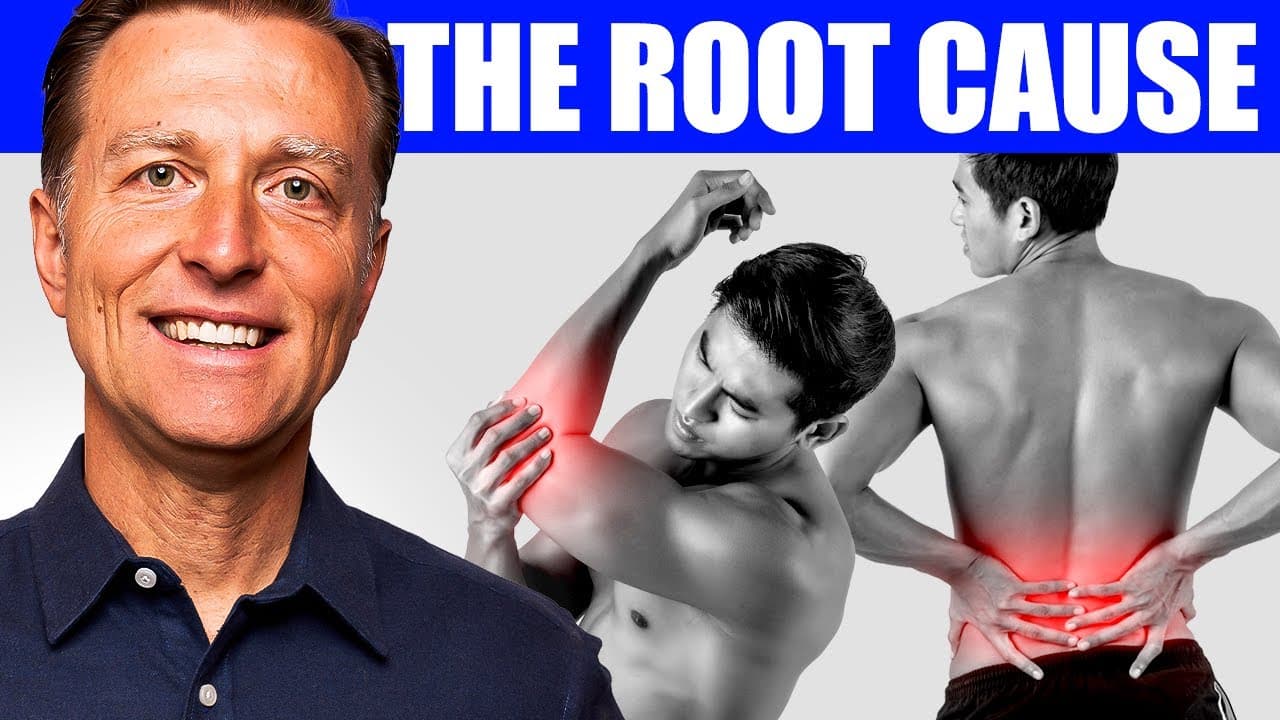
What Causes Chronic Inflammation? Dr. Berg’s Natural Treatment Tips
TL;DR
Chronic inflammation occurs when the body’s normal healing response persists, causing collateral tissue damage instead of resolving. Dr. Berg identifies prolonged stress and reduced cortisol effectiveness, allergies, autoimmune reactions, recurring infections, digestive irritation, certain foods, disrupted gut bacteria, and elevated glucose as possible drivers. He also discusses cabbage, fermented cabbage, wheatgrass juice powder, and zinc L-carnosine for digestive irritation. Read on to explore each proposed cause and remedy.
Transcript
all right i have another very interesting topic inflammation okay now inflammation is a normal healing repair process but the problem is when your body has chronic inflammation all sorts of destruction can occur and also an infection against a virus or a bacteria or another pathogen it's our own body's reaction to that pathogen that creates the dam... Read More
Key Insights
- Inflammation is a normal healing and repair response, but the presentation argues that persistent inflammation can damage surrounding tissue and create complications. During infections, some collateral damage is attributed to the body’s own immune reaction against a virus, bacterium, or other pathogen.
- Excessive immune activity is presented as a major source of tissue damage. A cytokine storm is used as an example of an extreme inflammatory response in the lungs, while prednisone is described as a synthetic form of cortisol used to calm such inflammation.
- Autoimmune conditions are linked by inflammation in the presentation. Crohn’s disease, rheumatoid arthritis, alopecia, Hashimoto’s disease, lupus, and multiple sclerosis are offered as examples in which immune activity targets the body’s own tissues and contributes to symptoms.
- Inflammatory oncotaxis is described as a phenomenon in which cancer tends to spread toward mechanically injured or chronically inflamed areas. The examples include irritated colon tissue, smoke-damaged lungs, arteries affected by high glucose, and previously injured breast tissue.
- Cortisol is described as the body’s main anti-inflammatory hormone. The presentation claims that prolonged exposure to high cortisol can make receptors resistant, leaving cortisol less effective and creating symptoms interpreted as functional cortisol deficiency despite abundant circulating hormone.
- Allergies are presented as triggers of continuing inflammation. Dairy proteins, gluten, lactose intolerance, ragweed, poison ivy, and immune reactions against the body’s own tissues are discussed as different forms of exposure or sensitivity that may keep inflammatory responses active.
- Chronic infections are described as recurring sources of inflammation because some pathogens may enter dormant states and reappear during stress. Epstein-Barr virus and Lyme disease are offered as examples, and maintaining general health is proposed as a way to support immune control.
- Gut inflammation is linked to irritating foods, food sensitivities, certain seed oils, constipation, antibiotics, and loss of beneficial intestinal bacteria. The presentation claims that continuing inflammation may promote scar tissue, poor nutrient absorption, intestinal permeability, additional allergies, and autoimmune problems.
- Elevated glucose is described as a common inflammatory driver that can damage the thin cellular lining of arteries. The presentation links sugar and refined carbohydrates with this process and says the body may respond to the injured area through clotting or plaque formation.
- Cabbage, fermented cabbage, wheatgrass juice powder, and zinc L-carnosine are proposed as foods or nutrients for digestive irritation. Wheatgrass juice powder is distinguished from wheat because it is harvested before the seed develops, which the presentation says means it contains no gluten.
Install to Summarize YouTube Videos and Get Transcripts
Explore YouTube Video Summarizer or Get YouTube Transcript Extractor
Questions & Answers
Q: What causes chronic inflammation in the body?
The presentation identifies prolonged stress and reduced cortisol effectiveness, allergies, autoimmune reactions, recurring infections, digestive irritation, certain foods, disrupted gut bacteria, and elevated glucose as possible causes. It describes chronic inflammation as a healing response that remains active and begins damaging surrounding tissue.
Q: What is the difference between normal and chronic inflammation?
Normal inflammation is described as part of the body’s healing and repair process after injury or exposure to a pathogen. Chronic inflammation occurs when that response persists, potentially causing collateral tissue damage, scar tissue, and stiffness.
Q: How can stress contribute to chronic inflammation?
The presentation claims that prolonged high cortisol can make cortisol receptors resistant, reducing the hormone’s anti-inflammatory effectiveness even when substantial cortisol is circulating. Stress may also reactivate dormant infections, prompting further immune responses and inflammation.
Q: Which allergies and sensitivities may trigger inflammation?
The examples include dairy proteins such as casein, gluten, lactose intolerance, ragweed, and poison ivy. The presentation says continued exposure may irritate the digestive system, sinuses, throat, lungs, or skin and sustain inflammation.
Q: How are autoimmune diseases connected to inflammation?
Autoimmune diseases are described as conditions in which the immune system attacks the body’s own tissues, producing inflammation. Crohn’s disease, rheumatoid arthritis, alopecia, Hashimoto’s disease, lupus, and multiple sclerosis are given as examples, while broad immune suppression is noted as a potential source of greater vulnerability to infections.
Q: What can cause inflammation in the digestive system?
The presentation links digestive inflammation to irritating foods, food sensitivities, gluten or dairy, oils high in omega-6 fatty acids, constipation, antibiotics, and loss of beneficial bacteria. It says persistent irritation may contribute to scar tissue, poor nutrient absorption, intestinal permeability, additional allergies, and autoimmune problems.
Q: How do sugar and refined carbohydrates contribute to inflammation?
The presentation says elevated glucose can irritate or damage the thin cellular lining of arteries. It links sugar and refined carbohydrates with this process and describes clotting or plaque formation as the body’s response to the injured area.
Q: What natural foods and nutrients does Dr. Berg suggest for gut inflammation?
Dr. Berg suggests cabbage, fermented cabbage, wheatgrass juice powder, and zinc L-carnosine for digestive irritation. The examples include raw cabbage, coleslaw, sauerkraut, and kimchi, while wheatgrass juice powder is distinguished from wheat because it is harvested before the seed develops and is described as containing no gluten.
Summary & Key Takeaways
-
Inflammation is presented as a normal component of healing that becomes harmful when it remains active. Persistent immune activity may damage surrounding tissue, worsen symptoms associated with autoimmune conditions, and contribute to stiffness or scar tissue around old injuries. The central concern is excessive inflammatory activity rather than every short-term inflammatory response.
-
The presentation connects inflammation with prolonged stress and impaired cortisol effectiveness, allergies to foods or environmental substances, immune attacks against the body’s own tissues, and infections that repeatedly emerge from dormancy. Stress is described as a possible trigger for recurring infections, while immune-suppressing treatments may reduce inflammation but also weaken immune defenses.
-
Digestive inflammation is linked to irritating foods, food sensitivities, oils high in omega-6 fatty acids, constipation, and loss of beneficial bacteria after antibiotics. The suggested dietary remedies include cabbage, fermented cabbage, wheatgrass juice powder, and zinc L-carnosine. Elevated glucose and refined carbohydrates are also described as causes of arterial irritation and inflammation.
Read in Other Languages (beta)
Share This Summary 📚
Summarize YouTube Videos and Get Video Transcripts with 1-Click
Try YouTube Summary with ChatGPT & Claude or YouTube Transcript Generator
Explore More Summaries from Dr. Eric Berg DC 📚





Summarize YouTube Videos and Get Video Transcripts with 1-Click
Try YouTube Summary with ChatGPT & Claude or YouTube Transcript Generator