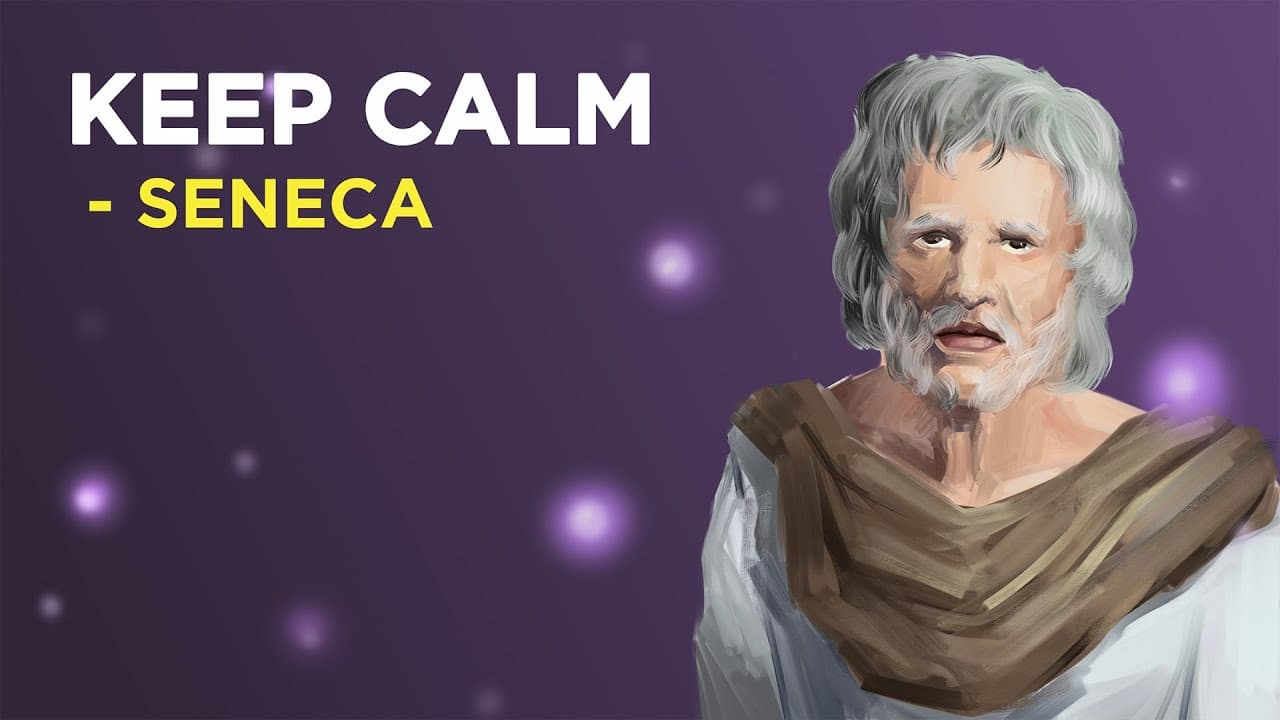
6 Stoic Ways To Keep Your Calm - Seneca (Stoicism)
TL;DR
Learn From Seneca's teachings to keep calm, control impulses, practice forgiveness, focus on aspirations, accept fate, ignore opinions, and review your day for inner peace.
Transcript
Lucius Annaeus Seneca, was a Roman philosopher and statesman who lived in the first century AD. He is renowned for his teachings on stoicism, and one of his most popular works is "Letters from a Stoic", a collection of letters that he wrote to his friend Lucilius. Throughout the letters, Seneca emphasizes the importance of cultivating inner peace a... Read More
Key Insights
- 🥺 Mindful control of impulses leads to inner peace and wise decision-making.
- ❓ Practicing forgiveness regularly promotes emotional freedom and compassion.
- 🥺 Focusing on highest aspirations leads to a fulfilling and purposeful life.
- 🉑 Accepting fate reduces stress and fosters personal growth and resilience.
- 🙈 Ignoring others' opinions promotes self-assurance and calm living.
- 🥳 Reviewing your day aids in self-improvement and gratitude.
- ✌️ Seneca's teachings on inner peace and calmness remain relevant in today's world.
Install to Summarize YouTube Videos and Get Transcripts
Explore YouTube Video Summarizer or Get YouTube Transcript Extractor
Questions & Answers
Q: How did Seneca teach about controlling impulses?
Seneca believed in being aware of impulses, observing them without judgment, and making intentional decisions aligned with our values to maintain inner peace and control.
Q: Why did Seneca emphasize forgiveness as essential for calmness?
Seneca advocated for forgiveness as a regular practice to let go of negative emotions, promote compassion, and achieve emotional freedom, leading to inner peace and fulfillment.
Q: How did Seneca encourage focusing on one's highest aspirations?
Seneca urged focusing on personal growth and mindfulness to avoid wasting time on trivial pursuits, leading to a life of calm, fulfillment, and purpose.
Q: What did Seneca teach about accepting fate?
Seneca emphasized accepting what is beyond our control, practicing Amor Fati or "love of fate," to reduce stress and anxiety, and embracing challenges for personal growth and resilience.
Summary & Key Takeaways
-
Seneca, a Roman philosopher, emphasized the importance of inner peace and tranquility by controlling impulses and emotions.
-
His teachings include keeping calm by practicing forgiveness, focusing on highest aspirations, accepting fate, ignoring others' opinions, and reviewing your day for self-improvement.
-
By applying Seneca's timeless principles, you can navigate life's challenges with clarity and composure, leading to a more fulfilling and virtuous existence.
Read in Other Languages (beta)
Share This Summary 📚
Summarize YouTube Videos and Get Video Transcripts with 1-Click
Try YouTube Summary with ChatGPT & Claude or YouTube Transcript Generator
Explore More Summaries from Philosophies for Life 📚




Summarize YouTube Videos and Get Video Transcripts with 1-Click
Try YouTube Summary with ChatGPT & Claude or YouTube Transcript Generator