How to Use the 10-Minute Rule for Increased Productivity
TL;DR
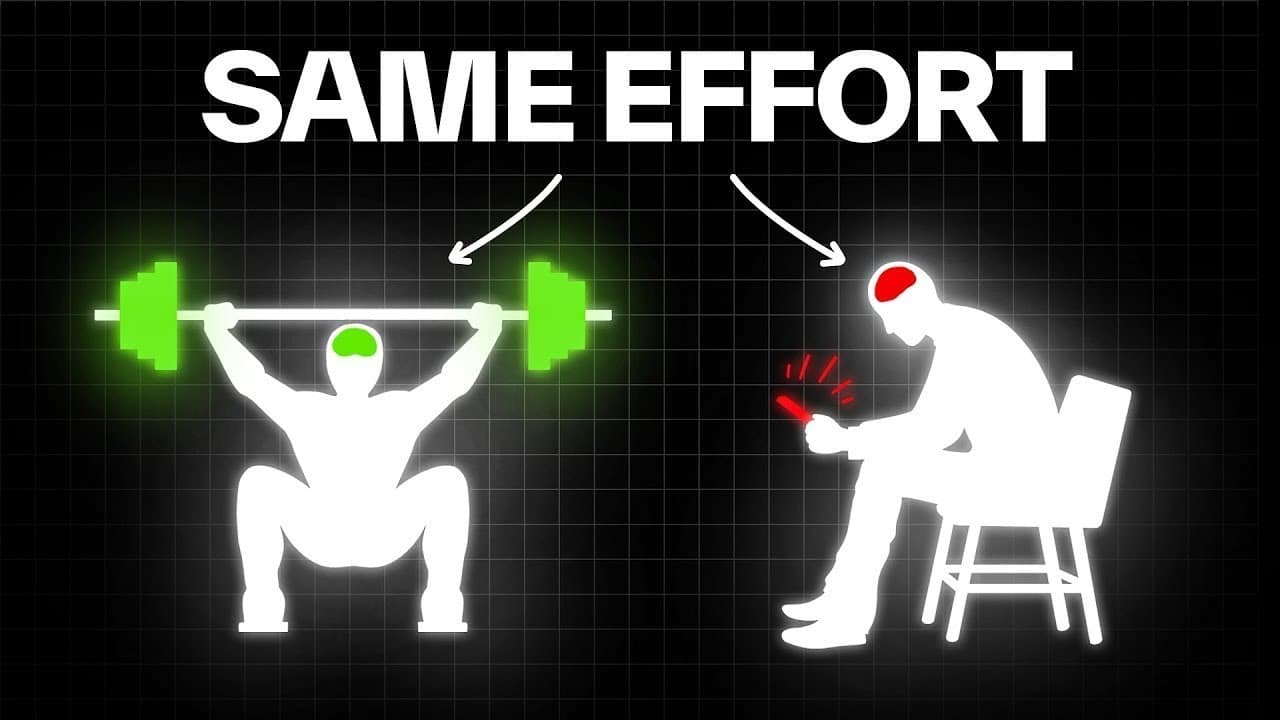
Both scrolling TikTok and doing hard work draw on the same mechanism, effortless exertion, the deep immersion at the core of flow. It comes from transient hypofrontality, the temporary deactivation of the prefrontal cortex, which quiets your sense of self and makes hours feel like minutes. The catch is that this exertion still fatigues you even when it feels free, causing time slippage. Learn how to become a temporal architect and steer that same power toward what actually matters.
Transcript
why is it that we can scroll social media play video games for hours without trying but struggle to focus even minutes on our most important priorities science shows there's an easy way to solve this so that you can consistently allocate your time to what you know is most important and make doing hard work feel like scrolling Tik Tok now I'm R daru... Read More
Key Insights
- 🥺 Effortless exertion, or flow, is a state of complete immersion and focus in an activity that leads to high productivity and creativity.
- 💐 Transient hypofrontality, the temporary deactivation of the prefrontal cortex, contributes to the feeling of effortlessness during flow.
- 🥺 Effortless exertion can occur in both productive and unproductive activities, leading to either increased productivity or time slippage.
- ⏳ Becoming a temporal architect by tracking time and pre-allocating it can help optimize productivity, prevent time slippage, and enhance flow.
- ⌛ Tracking time retroactively allows individuals to assess how they actually spent their time and make adjustments for improved time allocation.
- ⏳ Clear goals and intentional time allocation are key triggers for entering flow state.
- ⌛ Momentum, or the increased likelihood of continuing a behavior after initiation, can be harnessed through intentionality and tracking time.
Install to Summarize YouTube Videos and Get Transcripts
Explore YouTube Video Summarizer or Get YouTube Transcript Extractor
Questions & Answers
Q: Why can we scroll social media for hours but struggle to focus even minutes on our priorities?
Both activities are driven by the same mechanism, effortless exertion, which is the deep immersion at the core of flow. Whether it fuels peak performance or evaporates your time depends entirely on which activity you find that effortless exertion within. The same forces that let a rock climber or programmer work for hours can just as easily keep you glued to a Netflix crime series.
Q: What is effortless exertion and how does it relate to flow?
Effortless exertion is a core characteristic of flow, a psychological state of complete immersion and focus introduced by psychologist Mihaly Csikszentmihalyi. In flow, individuals experience a sense of fluidity between body and mind, often leading to high levels of productivity and creativity. It is what lets people do incredibly complex and demanding work for hours without any sign of slowing down.
Q: How does transient hypofrontality contribute to effortless exertion?
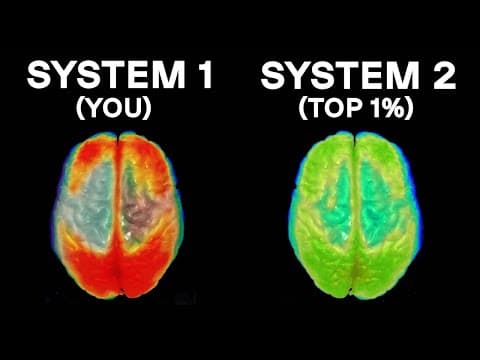
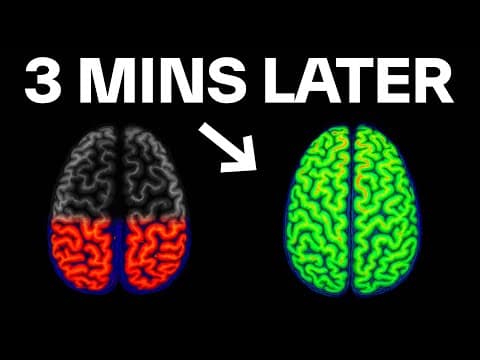
Transient hypofrontality is the temporary deactivation of the prefrontal cortex, the part of the brain that constructs our sense of self, tracks the passage of time, and integrates past and future into a narrative of self. When it becomes less active, self-focus diminishes, so there is almost no self left to notice the effort. This alters your perception of time, making hours feel like minutes and challenging tasks feel easier and more enjoyable.
Q: Is effortless exertion always a good thing?
No, it is both a superpower and a liability. The same immersion that powers flow can happen in wildly unproductive activities like scrolling social media, playing video games, or binging a show. Critically, even though the exertion feels effortless, it is actually fatiguing, so you can evaporate your time while depleting your physiology without ever noticing.
Q: What is time slippage?
Time slippage occurs when we waste time on unproductive things that feel effortless but actually fatigue us, leaving us with less to give to our goals and no neurochemical resources left to get into flow. The author describes reviewing his journal and realizing he spent at most two hours a week on hiring a CMO he knew was critical to the company. We often think we lack time, but really we are grossly underestimating how inaccurately we perceive and allocate it.
Q: How can becoming a temporal architect help prevent time slippage?
Becoming a temporal architect means tracking your time and pre-allocating it to different activities. Tracking builds awareness of how you actually spend your time and exposes the gap between your intentions and your real allocation. This helps you direct effortless exertion toward high-priority work and away from the liabilities that drain it.
Q: Why is it important to track time retroactively?
Unlike money, which is logged and calculated automatically when you send a Venmo or receive a deposit, time does not get logged by default. Tracking time retroactively lets you assess how you actually spent it and compare that to your pre-allocated schedule. This uncovers patterns and discrepancies between intentions and actions, giving you greater awareness and control over how your time is allocated.
Summary & Key Takeaways
-
Effortless exertion, or flow, is a psychological state of complete immersion and focus in an activity, leading to high levels of productivity and creativity.
-
Transient hypofrontality, the temporary deactivation of the prefrontal cortex, contributes to the feeling of effortlessness during flow, altering perception of time and making challenging tasks feel easier and more enjoyable.
-
Effortless exertion can happen in both productive and unproductive activities, leading to either increased productivity or time slippage. Becoming a temporal architect by tracking time and pre-allocating it can help optimize productivity and prevent time slippage.
Read in Other Languages (beta)
Share This Summary 📚
Summarize YouTube Videos and Get Video Transcripts with 1-Click
Try YouTube Summary with ChatGPT & Claude or YouTube Transcript Generator
Explore More Summaries from Rian Doris 📚
Summarize YouTube Videos and Get Video Transcripts with 1-Click
Try YouTube Summary with ChatGPT & Claude or YouTube Transcript Generator