You Will Become What You Hate About Yourself - Carl Jung
TL;DR
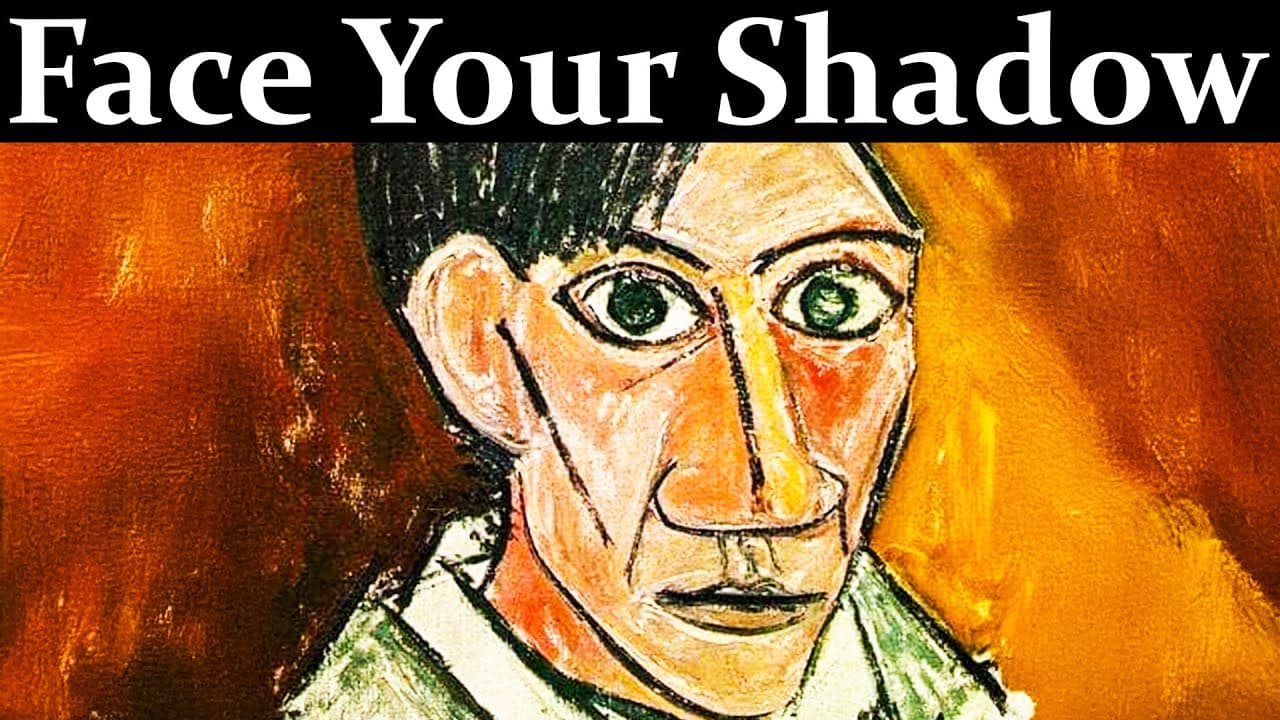
What you reject in yourself can unconsciously shape your reactions, choices, and relationships through what Carl Jung called the shadow. It contains not only destructive impulses but also suppressed courage, creativity, passion, and spontaneity. Recognizing projection, observing intense reactions, and accepting disowned traits can transform anger into assertiveness and envy into motivation. Read on to understand how shadow integration supports emotional freedom and a more authentic life.
Transcript
there is a force within you that operates in silence shaping your life without you realizing it this force carries everything you have rejected hidden or denied within yourself desires impulses thoughts fears traits that your ego refuses to admit carl jung called this force the shadow and it does not disappear just because you decided to ignore it ... Read More
Key Insights
- The shadow is a hidden part of the psyche, containing rejected and denied aspects of oneself, which Carl Jung identified as essential to understand for true self-awareness.
- Ignoring the shadow leads to projection, where individuals see their own flaws in others, causing irrational reactions and damaged relationships.
- Integrating the shadow involves recognizing and accepting all parts of oneself, including negative traits, to achieve emotional freedom and maturity.
- Projection is a defense mechanism where the ego preserves its constructed self-image by attributing personal flaws to others, creating unnecessary conflict.
- The transformation process requires brutal self-honesty, conscious observation of intense emotional reactions, and compassionate acceptance of one's complete self.
- Therapeutic support, especially Jungian analytical psychology, can be crucial in navigating the complexities of shadow integration.
- Embracing the shadow transforms negative emotions into strengths, such as turning anger into assertiveness and envy into motivation for growth.
- Integrating the shadow leads to genuine relationships, reduced emotional projection, and a balanced, authentic self-perception.
Install to Summarize YouTube Videos and Get Transcripts
Explore YouTube Video Summarizer or Get YouTube Transcript Extractor
Questions & Answers
Q: What is the shadow according to Carl Jung?
Carl Jung described the shadow as the hidden part of the psyche containing desires, impulses, fears, thoughts, and traits that the ego rejects or denies. It includes destructive tendencies as well as suppressed creativity, courage, passion, vulnerability, and spontaneity.
Q: Why can you become what you hate about yourself?
What you refuse to recognize does not disappear; it continues operating outside conscious awareness and influencing your reactions, choices, and perception. The transcript argues that traits despised in others may eventually be manifested unconsciously when the shadow remains unintegrated.
Q: How does projection reveal the shadow?
Projection occurs when repressed aspects of the psyche are attributed to other people because you do not recognize them in yourself. Disproportionate anger or irritation toward someone may therefore point to a denied need, impulse, or trait within you.
Q: What are examples of shadow projection in daily life?
Anger at someone’s arrogance may reflect your suppressed need to assert yourself. Judging another person as selfish may reveal resentment from never putting yourself first, while irritation at emotional expression may reflect an early belief that showing emotion is weakness.
Q: Does the shadow contain only negative traits?
No. The shadow contains violent impulses and destructive desires, but it can also hold creative strength, forgotten passion, suffocated courage, lost spontaneity, and unrealized potential. Integrating it means accepting the full range of what has been hidden.
Q: What can happen when the shadow is ignored?
Repressed energy can become corrosive and contribute to anxiety, depression, anger outbursts, compulsions, self-sabotage, and existential emptiness. The ignored shadow may also fuel projection, distorted judgments, unnecessary conflict, and damaged relationships.
Q: What does shadow integration require?
Shadow integration requires honest recognition of rejected traits, conscious observation of intense emotional reactions, and compassionate acceptance of the whole self. It involves facing fears, shameful feelings, and denied impulses without excuses or judgment.
Q: How can shadow integration change emotions and relationships?
Integration can reduce projection and help people respond to others without automatically attributing their own rejected traits to them. It can also redirect anger into assertiveness and envy into motivation, supporting more genuine relationships, emotional freedom, maturity, and a balanced sense of self.
Summary & Key Takeaways
-
Carl Jung's shadow theory explains how the rejected parts of our psyche, if ignored, grow in power and influence our lives negatively. By projecting these traits onto others, we create unnecessary conflict. Integrating the shadow involves recognizing and accepting these aspects, leading to emotional freedom.
-
The shadow contains both destructive impulses and unrealized potential. Ignoring it results in projection, where we attribute our flaws to others, causing irrational reactions. Integration requires brutal self-honesty, conscious observation, and compassionate acceptance, transforming negative emotions into personal strengths.
-
Therapeutic support, especially through Jungian analytical psychology, is vital for shadow integration. This process reduces emotional projection, improves relationships, and fosters a balanced, authentic self. Embracing the shadow changes perception, turning negative traits into strengths and leading to genuine self-awareness.
Read in Other Languages (beta)
Share This Summary 📚
Summarize YouTube Videos and Get Video Transcripts with 1-Click
Try YouTube Summary with ChatGPT & Claude or YouTube Transcript Generator
Explore More Summaries from Psyphoria 📚
Summarize YouTube Videos and Get Video Transcripts with 1-Click
Try YouTube Summary with ChatGPT & Claude or YouTube Transcript Generator