How to Stop People Pleasing and Embrace Yourself
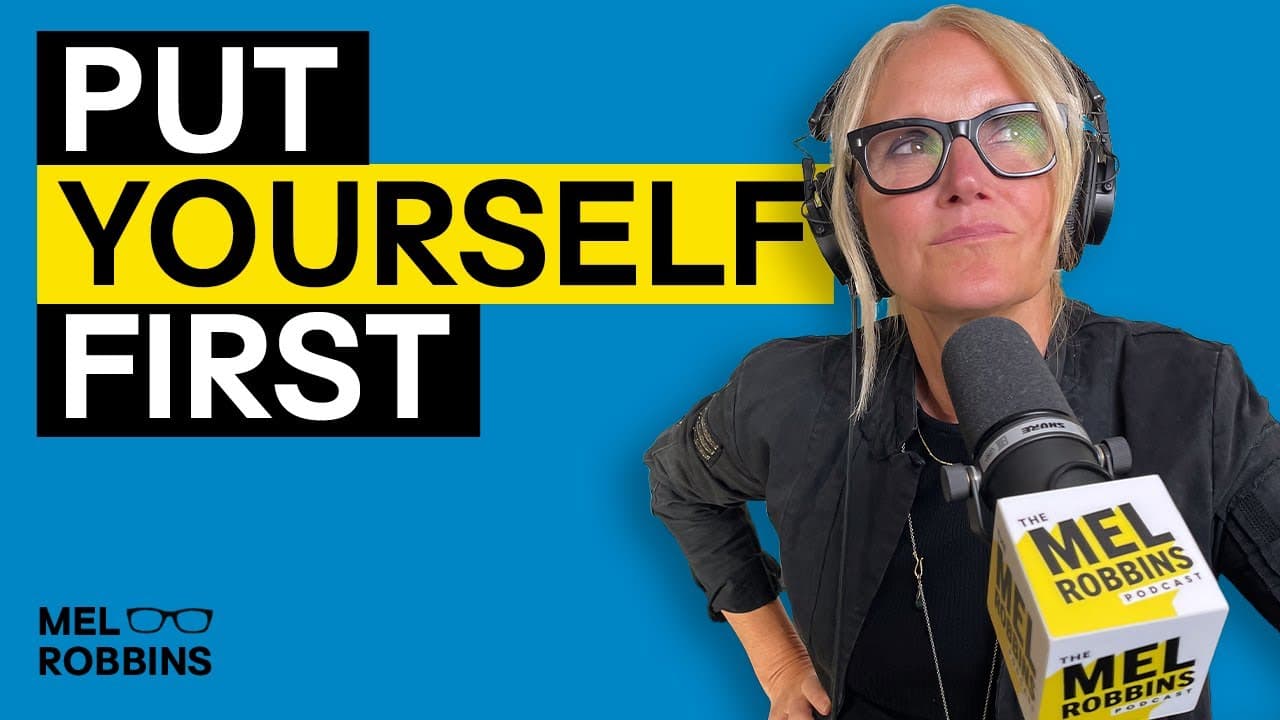
TL;DR
To stop being a people pleaser, recognize that it stems from a fear of discomfort and a need for acceptance. Focusing on your own needs over others' can lead to feelings of rejection, but it's essential for self-love and authenticity. Understanding that people pleasing is rooted in your discomfort helps break the cycle and allows for healthier relationships.
Transcript
I'm Mel Robbins we're talking about people pleasing and I'm really excited because uh we have a great question from a listener named Courtney hi Mel this is Courtney from Louisiana I have a question for you I have learned through therapy that one of my issues with self-love stemmed from trauma growing up um and through therapy I've learned to relea... Read More
Key Insights
- 🥺 People pleasing is rooted in an aversion to discomfort and a fear of confrontation, leading individuals to prioritize others' needs over their own.
- 🤩 Recognizing that people pleasing is about one's own discomfort and an inability to tolerate confrontation is key to breaking free from its negative effects.
- 🥰 Changes in self-love and authenticity may lead to feelings of rejection from others, but it is important to give them space to process their emotions and understand that their reactions are not a reflection of one's worth.
- 👯 Chronic people pleasing can cause stress, burnout, anxiety, and depression, highlighting the importance of addressing and managing these behaviors.
- 🎙️ More videos with Mel Robbins:
Install to Summarize YouTube Videos and Get Transcripts
Explore YouTube Video Summarizer or Get YouTube Transcript Extractor
Questions & Answers
Q: Why do people often feel rejection when they prioritize self-love and authenticity?
When individuals begin putting themselves first, the discomfort they have been suppressing through people pleasing rises to the surface. This can cause others to feel disappointed or rejected, but it is essential to give them space to process their emotions and understand that their reactions are not a reflection of one's worth.
Q: Is people pleasing a coping mechanism or a personality trait?
People pleasing is a coping mechanism that individuals develop to seek acceptance and belonging. It is often triggered by an underlying fear of discomfort or confrontation, rather than being a fixed personality trait.
Q: How does people pleasing impact physical health?
Chronic people pleasing can lead to stress, burnout, anxiety, and depression, as it involves constantly prioritizing others' needs over one's own. Stress and unresolved emotional conflicts can contribute to various physical illnesses, making it crucial to address and manage people pleasing behaviors.
Q: How can individuals effectively communicate their boundaries while dealing with people pleasing tendencies?
Setting healthy boundaries involves self-awareness and courageous communication. It is important to have conversations with others, expressing one's needs and limitations, and seeking compromise. Learning to switch from immediate yeses to thoughtful pauses can offer time to reflect before making commitments.
Summary & Key Takeaways
-
Listener Courtney shares her experience of self-love and creating boundaries, but faces rejection from family and friends who don't appreciate her new mindset.
-
Mel Robbins explains that people pleasing is rooted in an avoidance of discomfort and a fear of confrontation, leading individuals to prioritize others' feelings over their own needs.
-
Research suggests that this discomfort arises due to our innate desire for acceptance and belonging in social groups. The discomfort is a result of conflicting beliefs and the fear of upsetting others.
-
Robbins emphasizes the importance of recognizing that people pleasing is about one's own discomfort and inability to tolerate confrontation or discomfort within themselves.
-
Changes in self-love and authenticity can lead to feelings of rejection from others, but it is crucial to give them space to process their emotions and understand that their reactions are not a reflection of your worth.
Read in Other Languages (beta)
Share This Summary 📚
Summarize YouTube Videos and Get Video Transcripts with 1-Click
Try YouTube Summary with ChatGPT & Claude or YouTube Transcript Generator
Explore More Summaries from Mel Robbins 📚





Summarize YouTube Videos and Get Video Transcripts with 1-Click
Try YouTube Summary with ChatGPT & Claude or YouTube Transcript Generator