What Is the UN's Plan for Global AI Governance?
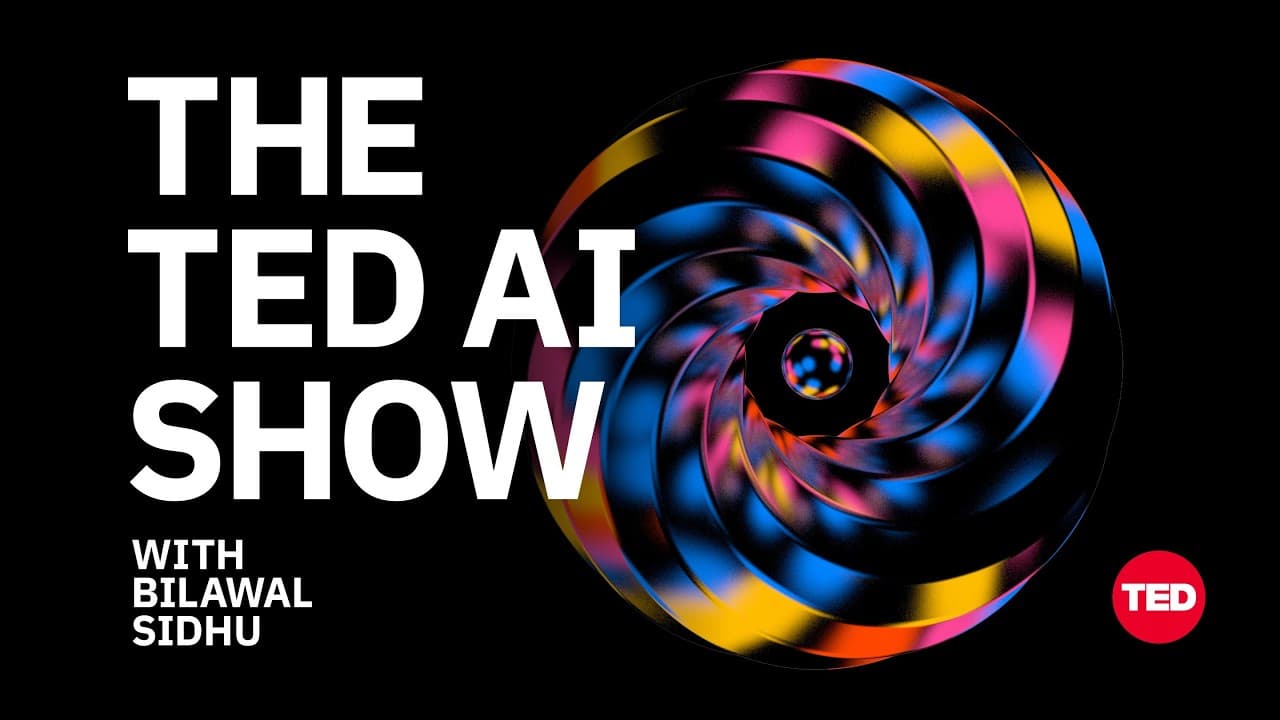
TL;DR
The UN's new report on global AI governance emphasizes the urgent need for worldwide frameworks to manage the risks and opportunities posed by AI technology. It promotes equitable access to AI, particularly for the Global South, and advocates for cooperation between governments and private sectors to establish a shared understanding of AI's implications. This proactive approach aims to prevent future crises while harnessing AI's potential for positive societal impact.
Transcript
imagine a world controlled not by Nations but by a handful of tech Giants driven primarily by prophets holding the Reigns of artificial intelligence a technopol world as geopolitical expert Ian Bremer calls it where algorithms shape Our lives our economies and even our Wars now this isn't some sci-fi movie it's the future we're barreling towards ri... Read More
Key Insights
- 🍔 The UN's AI governance report urges countries to adopt a proactive approach in addressing the rapidly evolving AI landscape to avoid future crises.
- ✳️ Major opportunities in AI exist, particularly in enhancing productivity across sectors, but serious risks such as data privacy and job displacement must be mitigated.
- 🕴️ Collaboration between governments and private technology companies is essential to create effective governance frameworks suited for AI's dynamic environment.
- 🌐 The need for global standards in AI usage could help harmonize national policies with collective human rights objectives, enhancing global cooperation.
- 🤙 The potential widening digital divide calls for targeted measures that ensure equitable access to AI for underserved regions and communities.
- ❓ The concept of "meaningful openness" advocates for transparent AI systems that enable diverse participation while preventing market monopolies.
- 🪩 AI-related governance discussions are mirrored in climate change discourse, emphasizing the significance of scientific consensus in shaping collective action.
- 🎙️ More videos with Ian Bremmer:
Install to Summarize YouTube Videos and Get Transcripts
Explore YouTube Video Summarizer or Get YouTube Transcript Extractor
Questions & Answers
Q: What are the main objectives of the UN's AI governance report?
The UN's AI governance report seeks to establish standard guidelines for how nations can responsibly develop and deploy AI technologies. It addresses the lack of governance around AI, aiming to ensure that its advancements serve global interests, particularly in solving major societal challenges while minimizing risks like job losses and misinformation.
Q: What are the possible risks and opportunities associated with AI according to Ian Bremer?
Bremer highlights that AI presents significant opportunities for enhancing productivity and innovation in diverse sectors, ranging from healthcare to transportation. However, it also poses risks such as the potential for job disruptions, privacy violations, and misuse by malicious actors. Establishing a framework for governance is critical to balance these aspects.
Q: How does the report propose to support the Global South in accessing AI technologies?
The report suggests creating an AI capacity development network that provides expertise, computing resources, and training data specifically for countries in the Global South. Moreover, it advocates for the establishment of a global fund to bolster AI development and accessibility, helping to bridge the digital divide.
Q: What role do tech giants play in shaping the future of AI governance?
Tech giants currently dominate AI development, driving innovations in the sector largely through profit-driven models. Bremer argues that effective governance can only occur through collaboration between these companies and governments, as the latter often lack the speed and expertise needed to keep up with rapid technological changes.
Q: What is meant by “meaningful openness” in AI deployment?
“Meaningful openness” refers to the idea that AI development shouldn't be a monopoly of a few powerful players. It emphasizes the need for accessible platforms and resources that allow diverse stakeholders, including smaller companies and government entities, to contribute to and benefit from AI technology, ensuring it serves a broader audience.
Q: Why is governing AI considered more complex than governance for climate change?
Governing AI is seen as more complex due to its rapid evolution, diverse application areas, and the difficulty in establishing clear thresholds for responsible usage. Unlike climate change, where scientific consensus is more readily agreed upon, AI involves competing interests between market forces and ethical considerations, making cohesive governance challenging.
Q: How might the governance of AI impact individual rights?
If AI governance is not approached thoughtfully, individuals could lose rights as they increasingly interact with algorithm-driven systems. Effective regulation is needed to ensure that AI technologies enhance human experiences rather than diminish personal autonomy and decision-making capabilities.
Q: What does Ian Bremer believe is necessary to understand the ethical implications of AI?
Bremer stresses the importance of interdisciplinary dialogue among technologists, policymakers, and civil society to build a comprehensive understanding of AI’s ethical implications. Establishing common metrics to evaluate AI’s impact is critical to develop governance frameworks that prioritize human values and global well-being.
Summary & Key Takeaways
-
The UN's recent report aims to establish global governance frameworks for AI, focusing on mitigating risks while maximizing opportunities presented by the technology.
-
Ian Bremer emphasizes the shifting power dynamics from sovereign nations to tech giants, noting the importance of cooperation between governments and private sectors to effectively govern AI development.
-
The report promotes equitable access to AI technologies, particularly for the Global South, advocating for a Global Fund to support capacity development in underrepresented regions.
Read in Other Languages (beta)
Share This Summary 📚
Summarize YouTube Videos and Get Video Transcripts with 1-Click
Try YouTube Summary with ChatGPT & Claude or YouTube Transcript Generator
Explore More Summaries from TED 📚




Summarize YouTube Videos and Get Video Transcripts with 1-Click
Try YouTube Summary with ChatGPT & Claude or YouTube Transcript Generator