What Are Digital People and How Will They Change Society?
TL;DR
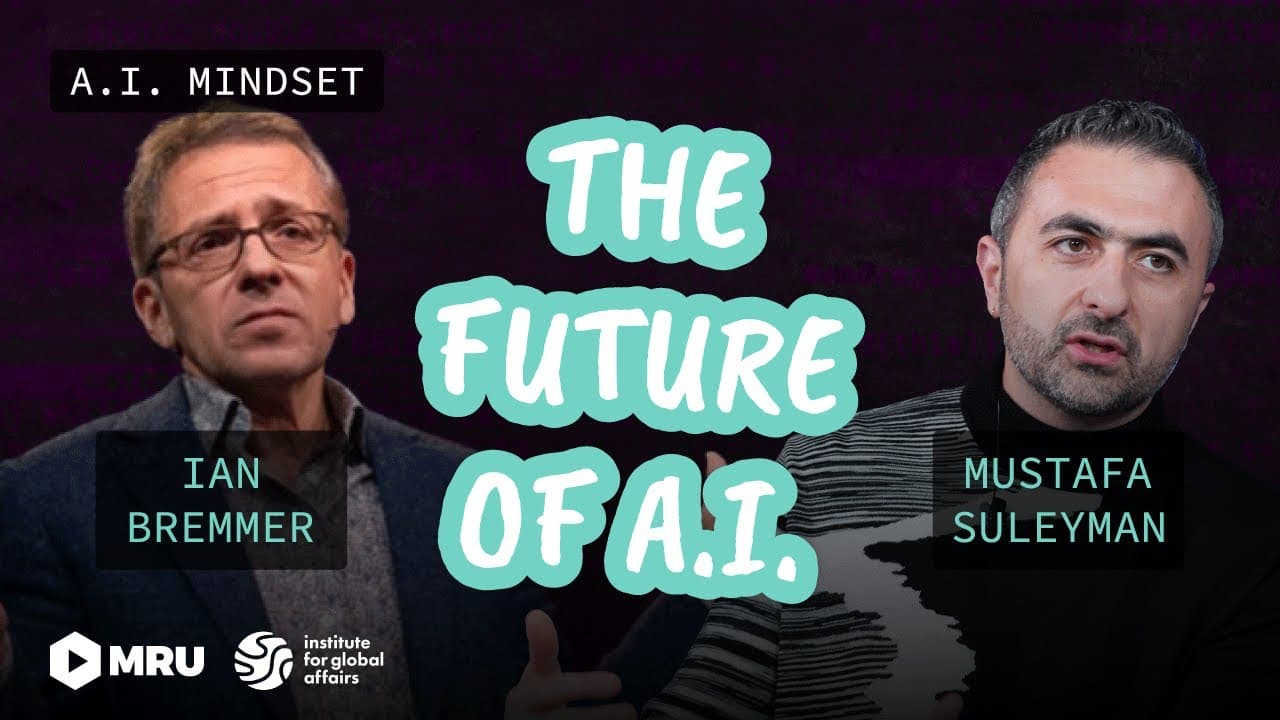
Digital people are AI entities capable of performing human-like tasks, representing a transformative shift in how we interact with technology. As AI advancements blur the lines between human and machine capabilities, ethical considerations and personal freedoms will be at the forefront, reshaping society and job markets while emphasizing the importance of empathetic AI interactions.
Transcript
♪ [music] ♪ - [Ian] In the past year, artificial intelligence has captured our imagination like never before and like nothing else. It's transformed everything from how we work, to how we perceive the world around us, to increasingly who we are as people. And with this technological renaissance, there are very few names that stand out as prominent... Read More
Key Insights
- AI's rapid advancement is transforming how we interact with technology, creating 'digital people' who can perform tasks similar to humans.
- The development of AI has reached a point where it can almost pass the Turing Test, challenging our understanding of intelligence.
- AI's ability to generate text, images, and video in real-time is revolutionizing content creation, making it highly personalized and interactive.
- Digital people can be programmed with specific behaviors, offering opportunities for controlled, empathetic interactions unlike human interactions.
- The open-source availability of AI presents challenges in regulating its use and preventing misuse, such as spreading misinformation.
- AI is expected to replace certain jobs, especially those involving repetitive tasks, while enhancing roles that require creativity and problem-solving.
- The societal impact of AI includes potential changes in work-life balance, with more emphasis on personal freedom and creativity.
- The ethical development of AI requires corporations to prioritize humane values, ensuring AI promotes positive societal interactions.
- More videos with Ian Bremmer / Mustafa Suleyman:
Install to Summarize YouTube Videos and Get Transcripts
Explore YouTube Video Summarizer or Get YouTube Transcript Extractor
Questions & Answers
Q: What makes AI's recent breakthroughs significant?
AI's recent breakthroughs are significant because they enable the creation of 'digital people' that can perform tasks similar to humans, such as generating text, images, and video in real-time. This transformation challenges traditional views of intelligence and creativity, marking a technological tipping point with widespread implications for society.
Q: How do digital people differ from traditional AI?
Digital people differ from traditional AI in their ability to engage in interactive, personalized, and dynamic content creation. Unlike static AI, digital people can adapt their responses in real-time, offering human-like interactions that are empathetic and supportive, which traditional AI systems could not achieve.
Q: What are the ethical challenges of open-source AI?
The ethical challenges of open-source AI include the risk of misuse, such as spreading misinformation or creating deep fakes. Open-source AI can be accessed and modified by anyone, making it difficult to regulate and ensure responsible usage, which could lead to harmful societal impacts if not properly managed.
Q: Which jobs are most at risk of being replaced by AI?
Jobs most at risk of being replaced by AI are those involving repetitive and routine tasks, such as call center operators and customer service roles. AI's efficiency in handling such tasks makes these positions vulnerable, while roles requiring creativity, problem-solving, and multidisciplinary skills are likely to remain valuable.
Q: How can individuals prepare for an AI-driven future?
Individuals can prepare for an AI-driven future by embracing creativity and multidisciplinary skills. Engaging with AI tools to enhance personal and professional capabilities, understanding AI's limitations, and exploring innovative ways to integrate AI into various fields can help individuals adapt and thrive in a rapidly changing landscape.
Q: What role do corporations play in AI ethics?
Corporations play a crucial role in AI ethics by ensuring that AI systems are developed with humane values and responsible practices. Companies must prioritize transparency, accountability, and the promotion of positive societal interactions to prevent misuse and ensure that AI contributes to the well-being of society.
Q: How might AI change societal structures and norms?
AI might change societal structures and norms by enabling more personalized and efficient interactions, reducing the need for traditional work structures, and promoting greater personal freedom. AI's integration into everyday life could lead to re-engineered social habits and customs, fostering a society focused on creativity and chosen work.
Q: What is the long-term vision for AI in society?
The long-term vision for AI in society involves creating a world where AI enhances human capabilities, reduces suffering, and increases personal freedom. AI is expected to facilitate a shift towards more creative and fulfilling lives, with the potential for significant advancements in health, longevity, and societal well-being.
Summary & Key Takeaways
-
The discussion highlights the transformative impact of AI, particularly the emergence of 'digital people' capable of performing tasks similar to humans. Mustafa Suleyman and Ian Bremmer explore the implications of AI advancements, including the blurring lines between human and machine interactions.
-
AI's capabilities now extend to generating personalized content, challenging traditional notions of intelligence and creativity. The conversation addresses the potential for AI to disrupt job markets and the importance of developing ethical guidelines for AI usage.
-
The future of AI suggests a shift towards more personal freedom and creativity, as AI takes over routine tasks. The ethical considerations of AI development are emphasized, highlighting the need for responsible corporate practices and societal adaptation to these technological changes.
Read in Other Languages (beta)
Share This Summary 📚
Summarize YouTube Videos and Get Video Transcripts with 1-Click
Try YouTube Summary with ChatGPT & Claude or YouTube Transcript Generator
Explore More Summaries from Marginal Revolution University 📚

Summarize YouTube Videos and Get Video Transcripts with 1-Click
Try YouTube Summary with ChatGPT & Claude or YouTube Transcript Generator