How to choose a cleaning solution
TL;DR
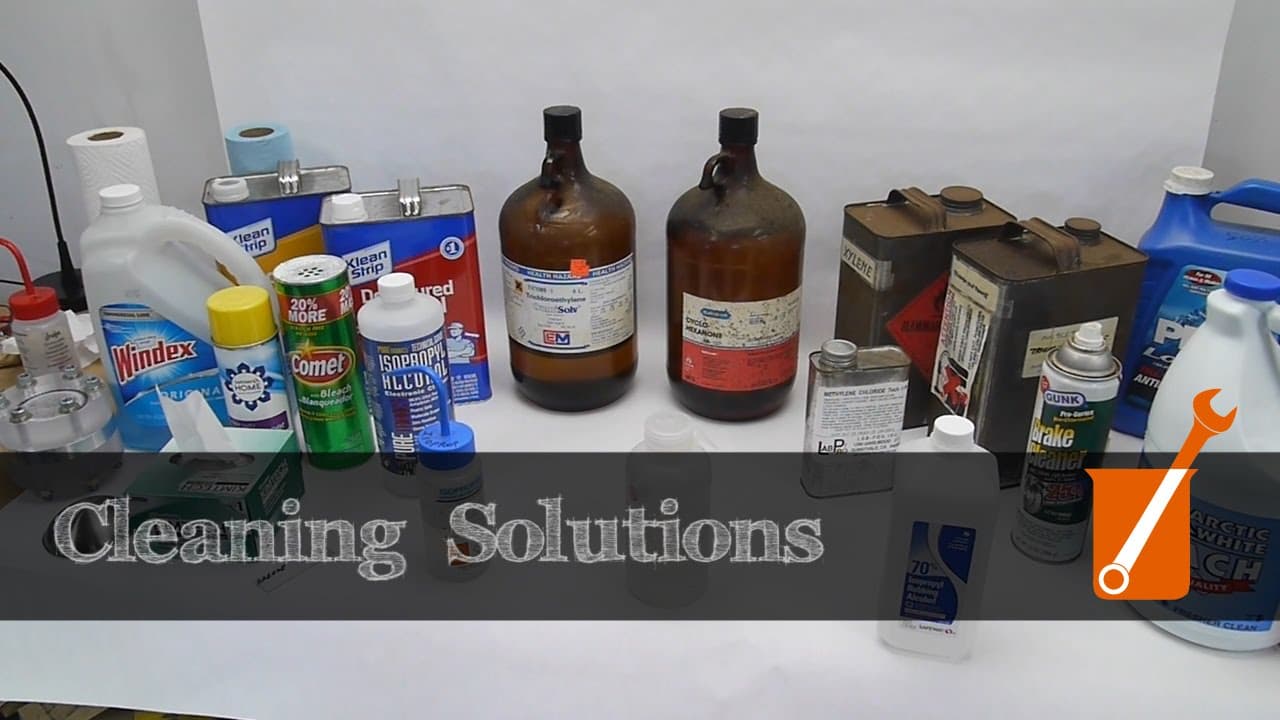
Water is often the best cleaning solvent for polar substances like salt and sugar, while nonpolar substances require specific solvents like acetone. The effectiveness of a solvent depends on its compatibility with the dirt being removed.
Transcript
in today's video I'd like to talk about cleaning things so there's a huge selection of solvents available but how do you actually choose one so today I'd like to give away some tips and tricks and also explain some of the science behind these cleaners first of all don't forget that water itself is actually a really great cleaning solvent and for so... Read More
Key Insights
- 💦 Water is an effective cleaning solvent for polar substances, while nonpolar substances require specific solvents.
- ❓ Choosing the correct solvent depends on the polarity of the dirt being cleaned.
- 🎚️ Different solvents have varying levels of effectiveness for specific cleaning tasks.
- 💦 The presence of water in cleaning solvents like isopropyl alcohol can enhance their cleaning effectiveness.
- ❓ Solvents like acetone can be highly effective at removing nonpolar substances but require caution in handling.
- ⚾ Cleaning solvents can be chosen based on their effectiveness ratings, such as the KB or Hildebrand scales, although individual cleaning tasks may require unique approaches.
- 😒 Proper cleaning with solvents requires the removal of dissolved dirt through mechanical means or the use of absorbent materials.
Install to Summarize YouTube Videos and Get Transcripts
Explore YouTube Video Summarizer or Get YouTube Transcript Extractor
Questions & Answers
Q: What is the importance of choosing the correct cleaning solvent?
Choosing the correct cleaning solvent is crucial as it determines the effectiveness of the cleaning process. Different solvents are compatible with different types of dirt, and using the wrong solvent may yield unsatisfactory results.
Q: How does water compare to other solvents in terms of cleaning effectiveness?
Water is an excellent cleaning solvent for polar substances like salt and sugar. Its polar nature allows it to dissolve these substances effectively. However, it may not be as effective for nonpolar substances.
Q: Why is it essential to consider the polarity of the dirt when choosing a cleaning solvent?
The rule of "like dissolves like" applies to cleaning solvents. Polar substances require polar solvents, while nonpolar substances require nonpolar solvents. Using the wrong solvent may not effectively dissolve the dirt.
Q: What is the role of mechanical means in the cleaning process with solvents?
While solvents dissolve dirt, it is essential to physically remove the dissolved dirt. This can be done through mechanical means such as wiping with a paper towel or cloth, ensuring thorough cleaning.
Summary & Key Takeaways
-
Water is an effective cleaning solvent for polar substances like salt and sugar, while nonpolar substances require different solvents like isopropyl alcohol or acetone.
-
The rule of "like dissolves like" applies when choosing a cleaning solvent. Polar solvents dissolve polar substances, while nonpolar solvents dissolve nonpolar substances effectively.
-
Cleaning with solvents requires proper removal of the dissolved dirt, either through mechanical means or the use of absorbent materials such as paper towels or cloths.
Read in Other Languages (beta)
Share This Summary 📚
Summarize YouTube Videos and Get Video Transcripts with 1-Click
Try YouTube Summary with ChatGPT & Claude or YouTube Transcript Generator
Explore More Summaries from Applied Science 📚



Summarize YouTube Videos and Get Video Transcripts with 1-Click
Try YouTube Summary with ChatGPT & Claude or YouTube Transcript Generator