What Is the Heroic Dose of Psychedelics and Its Effects?
TL;DR
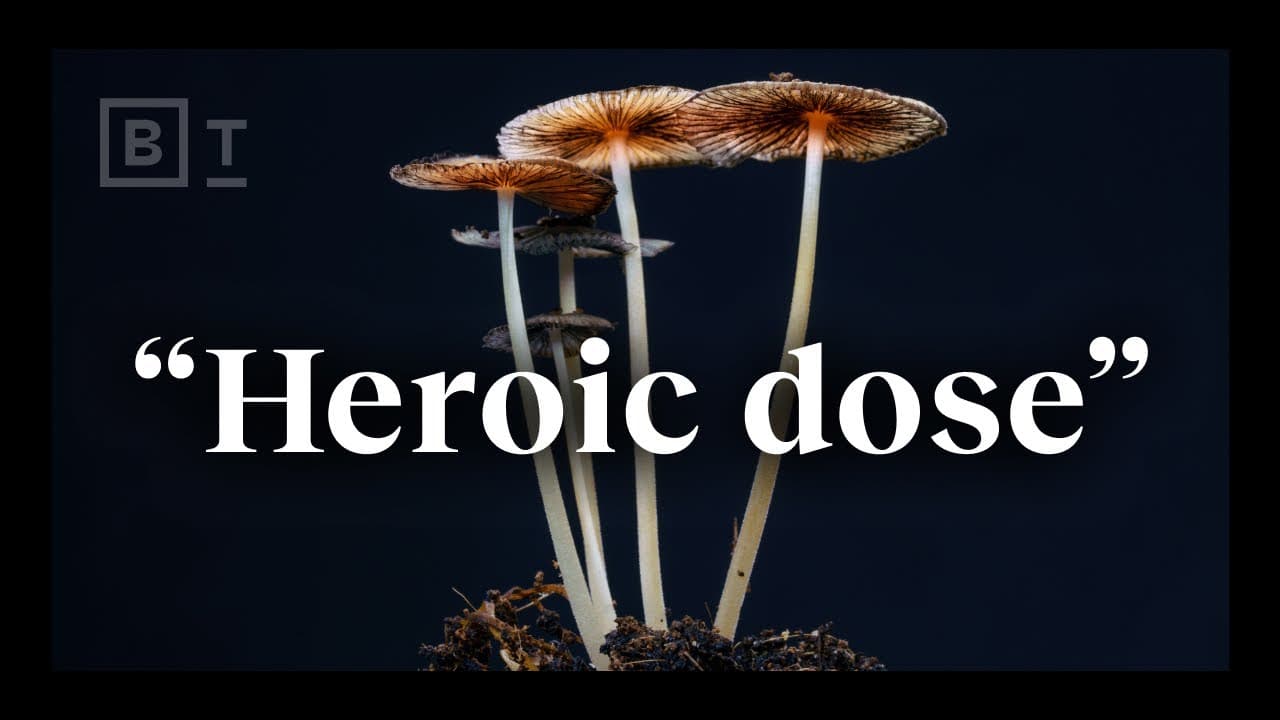
The 'heroic dose' of psychedelics, such as psilocybin, typically ranges from 30 to 40 milligrams and can lead to profound experiences, shifting one's sense of reality. While potentially overwhelming, these sessions can provide significant therapeutic insights and personal growth, especially when administered in a supportive environment. Safeguards are essential to ensure ethical practices during these intense experiences.
Transcript
- These experiences are often called 'ineffable,' but as a scientist, I do my best to 'F- it up' by trying to describe it as much as I can, so I'll go ahead and do that: Our society has been in a mental health crisis and it's been stagnating. A large portion of people treat it with traditional antidepressants, don't see benefit. Psychedelics are th... Read More
Key Insights
- 🧪 Psychedelics have the potential to profoundly impact mental health, but traditional antidepressants often fall short in providing relief. Society is becoming more accepting of psychedelics as a viable treatment option.
- 🌍 Psychedelics have a rich history across cultures and have been associated with creativity and scientific breakthroughs. They have had a significant impact on art and music, including the Beatles.
- 🔬 Early scientific interest in psychedelics emerged in the 1950s and suffered setbacks due to controversy and ethical concerns. However, current research focuses on exploring therapeutic and medical applications.
- 🌌 Psychedelics can create profound shifts in one's sense of reality, ranging from enlightening experiences to terrifying "bad trips." Despite the intense subjective effects, they are relatively safe at the physiological level compared to other drug classes.
- 🍄 Psilocybin, the agent in magic mushrooms, is commonly used in therapeutic research with doses referred to as "heroic." The context in which psychedelics are administered greatly influences the experience, emphasizing the importance of a supportive and welcoming environment.
- 💫 Letting go and being open to the experience is crucial during psychedelic therapy. The range of experiences is vast, and people can confront deep truths and discover their power to choose their own destiny.
- ⚠️ Safeguards must be in place to prevent potential abuses and maintain clinical boundaries. Therapeutic touch and filling in the blanks for participants should be limited.
- 🧠 Psychedelics offer the potential to unlock insights into the nature of psychiatric disorders and their commonalities. They have the ability to disrupt narrow perspectives and expand mental and behavioral repertoires, contributing to a mentally healthy state.
- 🎙️ More videos with Matthew Johnson:
Install to Summarize YouTube Videos and Get Transcripts
Explore YouTube Video Summarizer or Get YouTube Transcript Extractor
Questions & Answers
Q: How do psychedelics impact one's sense of reality?
Psychedelics can cause a profound shake-up in an individual's experience of reality, ranging from soaring visions of the heavens to terrifying "bad trips" that can induce feelings of impending doom. These substances have the potential to provide intensely meaningful experiences.
Q: What are the potential risks and safety considerations when using psychedelics therapeutically?
While psychedelics are generally safe at the physiological level, they still carry risks and should be administered in a controlled setting. Researchers must ensure ethical boundaries and minimize potential abuses, such as the misuse of therapeutic touch and the imposition of personal beliefs on participants.
Q: How does psychedelic therapy differ from traditional forms of therapy?
Psychedelic therapy involves the administration of a high dose of a psychedelic substance in a warm and welcoming environment, with participants lying down and wearing eye shades and headphones. The goal is to transcend normal intellectual processes and encourage individuals to trust, let go, and be open to whatever experiences arise.
Q: What are some potential benefits of psychedelic therapy?
Some individuals describe a single psychedelic experience as equivalent to thousands of hours of traditional therapy. By challenging and expanding one's limited perspective, psychedelics have the potential to help people confront and overcome their mental and behavioral constraints, leading to personal growth and increased mental health.
Q: What are the potential dangers or pitfalls of psychedelic therapy?
Due to the vulnerable and intimate nature of psychedelic therapy, there is a risk of abuses if proper safeguards and clinical boundaries are not maintained. Therapists must avoid exerting undue influence or filling in the blanks for participants, as well as remain silent on metaphysical questions and personal beliefs.
Q: How can psychedelics contribute to our understanding of psychiatric disorders?
Psychedelics hold promise in helping researchers uncover the commonalities between different psychiatric disorders and how they can be addressed through treatment. By expanding one's perception of reality, psychedelics have the potential to challenge and break down the narrowed mental and behavioral repertoire associated with these disorders.
Summary & Key Takeaways
-
Psychedelics, like LSD and magic mushrooms, have a long history of use in different cultures and have been associated with radical societal changes.
-
Early research on psychedelics, particularly psychedelic therapy, was conducted in the 1950s but was halted due to controversy and association with counterculture.
-
Current research focuses on the potential therapeutic applications of psychedelics in treating mental health disorders and understanding the nature of psychiatric disorders.
Read in Other Languages (beta)
Share This Summary 📚
Summarize YouTube Videos and Get Video Transcripts with 1-Click
Try YouTube Summary with ChatGPT & Claude or YouTube Transcript Generator
Explore More Summaries from Big Think 📚

Summarize YouTube Videos and Get Video Transcripts with 1-Click
Try YouTube Summary with ChatGPT & Claude or YouTube Transcript Generator