Why Did the US Bomb Iran and What Happens Next?
TL;DR
The US bombed Iranian nuclear sites to prevent Iran from developing nuclear weapons, a decision influenced by Israeli pressure. While the US claims it is not at war with Iran, the geopolitical climate is tense, and Iran's response is expected to be limited, likely involving harassment of shipping routes rather than direct escalation.
Transcript
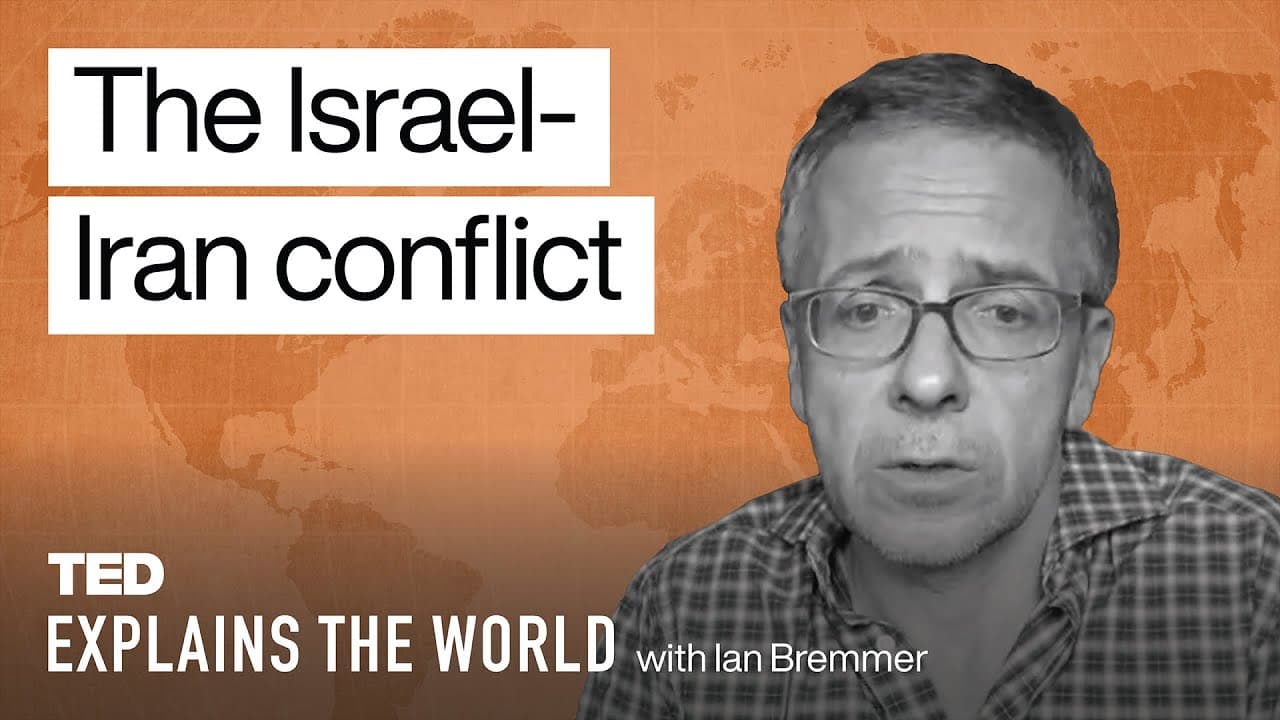
Helen Walters: On June 21, 2025, the US bombed three nuclear sites in Iran, joining a war with Israel and plunging the world into uncertainty. Today is Sunday, June 22. I am Helen Walters, I'm head of media and curation at TED, and I'm joined by geopolitical expert and GZERO founder, Ian Bremmer, to make sense of the noise. Ian, we also asked our c... Read More
Key Insights
- The US bombed Iranian nuclear sites due to concerns over Iran's nuclear capabilities, which have been a longstanding issue for both the US and Israel.
- The Trump administration's decision to attack was influenced by Israel's inability to destroy key Iranian facilities on their own.
- Despite the attacks, the US claims it is not at war with Iran, while Israel maintains an ongoing state of war.
- Trump's alignment with Israeli Prime Minister Netanyahu remains strong despite political opposition within Israel.
- Iran's response to the US attacks is likely to be restrained due to their limited global support and internal military control issues.
- Potential Iranian retaliation could include harassment of shipping routes or proxy attacks, but not full closure of the Strait of Hormuz.
- The geopolitical landscape in the Gulf region remains tense, with the potential for further escalation despite efforts to contain the conflict.
- International players like China and Russia have limited involvement, with Russia distracted by its own conflicts and China maintaining a neutral stance.
- More videos with Ian Bremmer:
Install to Summarize YouTube Videos and Get Transcripts
Explore YouTube Video Summarizer or Get YouTube Transcript Extractor
Questions & Answers
Q: Why did the US decide to bomb Iran?
The US decided to bomb Iran to prevent the country from developing nuclear weapons capabilities. This decision was influenced by Israel's inability to destroy certain Iranian facilities on their own and the US's long-standing opposition to Iran's nuclear ambitions. The Trump administration sought to compel Iran to negotiate by demonstrating military strength.
Q: What is the current state of US-Iran relations?
Currently, the US and Iran are not officially at war, despite the recent military strikes. The US maintains that its actions were targeted and not intended for regime change, aiming instead to bring Iran back to the negotiating table. However, tensions remain high, and the situation is fragile, with potential for further escalation.
Q: How is Israel involved in the conflict?
Israel is deeply involved in the conflict, having been in a state of war with Iran for some time. The Israeli government has been pushing the US to take military action against Iran, as they lack the capability to destroy key Iranian nuclear sites independently. Israel's actions and rhetoric suggest a desire for continued US involvement in their conflict with Iran.
Q: What are the potential consequences of the conflict for the global economy?
The conflict poses significant risks to the global economy, particularly if it escalates further. Potential Iranian actions, such as disrupting the Strait of Hormuz, could impact global oil supply and prices. Additionally, increased regional instability could lead to broader economic repercussions, including higher energy costs and potential recessionary pressures.
Q: How might Iran respond to the US attacks?
Iran is likely to respond with calculated measures, possibly including proxy attacks or harassment of shipping routes, rather than direct military confrontation. The Iranian government will aim to avoid actions that could provoke a full-scale war, given their limited global support and domestic challenges in maintaining military control.
Q: What role do international players like China and Russia have in this conflict?
China and Russia have limited roles in the conflict. China, while a significant oil importer from Iran, remains neutral and uninvolved diplomatically. Russia, distracted by its own conflicts and maintaining a relationship with both Iran and Israel, has not taken significant action. Both countries' involvement is minimal compared to the US and Israel.
Q: What is the potential impact on US domestic politics?
Domestically, the conflict could challenge Trump's base, which largely supports an anti-war stance. While Trump's actions align with protecting US interests, prolonged military involvement could lead to criticism from both political opponents and his supporters, who fear an endless conflict in the Middle East.
Q: How does this conflict affect the geopolitical landscape in the Middle East?
The conflict exacerbates existing tensions in the Middle East, with potential to destabilize the region further. While some Gulf states privately support actions against Iran, public opposition remains. The conflict could alter alliances and power dynamics, impacting regional security and economic stability.
Summary & Key Takeaways
-
The US launched strikes on Iranian nuclear sites, escalating tensions in the Middle East. The decision, influenced by Israeli pressure, aims to curb Iran's nuclear ambitions. Despite the attacks, the US insists it is not at war with Iran.
-
Iran is expected to respond with limited retaliation, avoiding full-scale conflict. The geopolitical situation remains volatile, with potential implications for global oil markets and regional stability.
-
International reactions are mixed, with China and Russia showing limited involvement. The conflict raises questions about US foreign policy and its alignment with Israeli interests, amid domestic and global scrutiny.
Read in Other Languages (beta)
Share This Summary 📚
Summarize YouTube Videos and Get Video Transcripts with 1-Click
Try YouTube Summary with ChatGPT & Claude or YouTube Transcript Generator
Explore More Summaries from TED 📚






Summarize YouTube Videos and Get Video Transcripts with 1-Click
Try YouTube Summary with ChatGPT & Claude or YouTube Transcript Generator