How David Park Built Jenny AI From Nearly Nothing
TL;DR
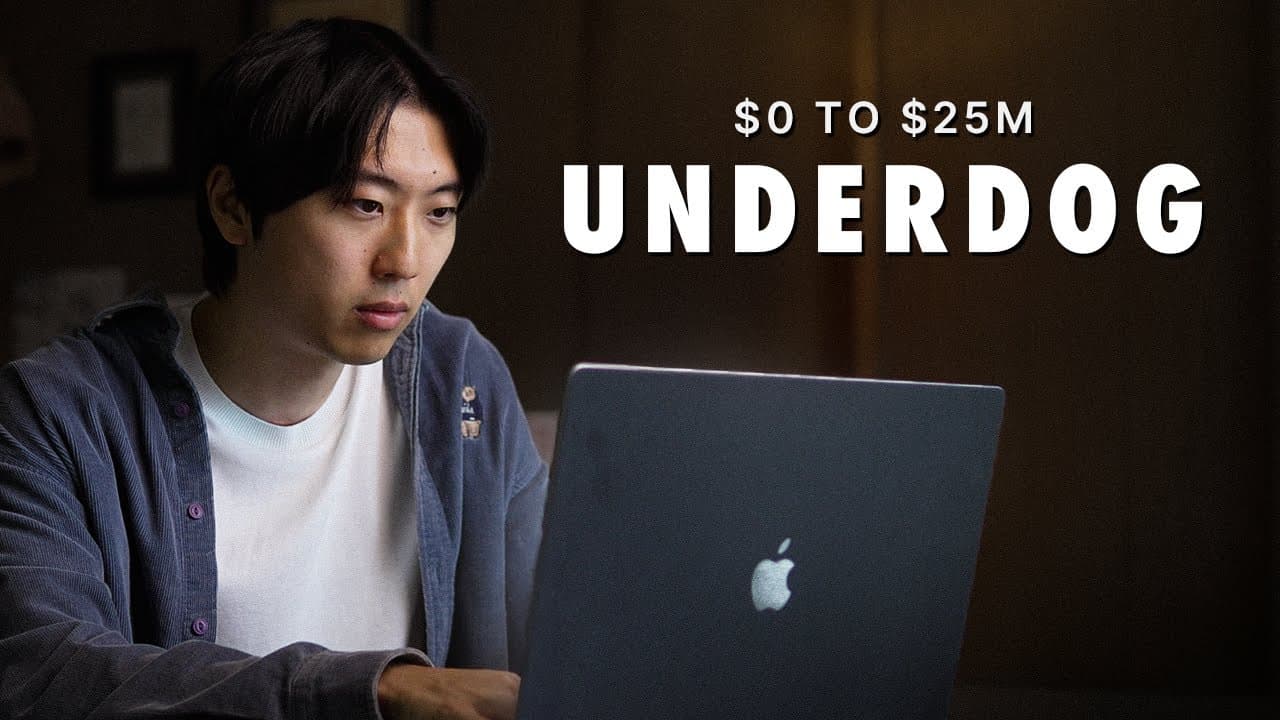
David Park grew Jenny AI by replacing assumptions with detailed customer interviews, simplifying the product around a friendly AI-assisted writing workflow, and using viral social media exposure to acquire users. After years of failed startups, relentless cold calling, and nearly exhausting his money, he secured $100,000 in funding, reduced expenses in Malaysia, and helped build a company valued above $25 million.
Transcript
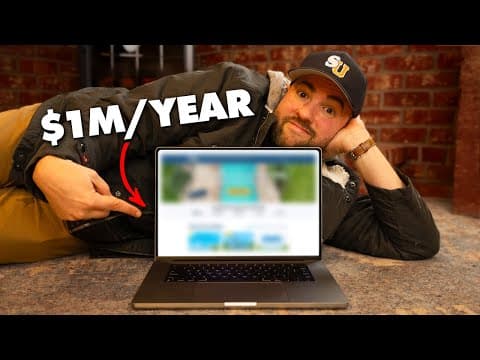
all right David what's your story I was working from my parents house in the bedroom day and night I had no money and it was time to really it was time to Make It or Break It this is David Park and for years he tried everything to make money I started my first company when I was 16 I'm 27 now that's a decade of failing then one day he came across a... Read More
Key Insights
- David Park's entrepreneurial path included roughly a decade of failure before Jenny succeeded. He started a clothing company at 16, later left college, and worked with his co-founder through approximately nine or ten unsuccessful startup attempts before finding an AI writing idea with meaningful demand.
- The founders' complementary roles helped turn an idea into a business. Henry handled coding while David focused on selling, combining Henry's interest in AI with David's interest in writing to develop a product intended to help agencies create better content.
- Cold calling was Jenny's earliest customer acquisition strategy. David called agencies for eight hours a day over many weeks and estimated that about 99 percent rejected him, forcing him to become comfortable with repeated rejection while trying to earn the company's first dollar.
- Customer research broke the company's $2,000 monthly revenue plateau. Instead of asking users why they liked Jenny, David investigated dislikes, competing products, existing workflows, and actual writing behavior, sometimes asking customers to share their screens and create an article with him.
- Jenny's product growth followed a major simplification. Interviews revealed that users wanted a friendly, AI-assisted writing journey, so the founders removed features that did not serve that experience and rebuilt the product around the workflow customers were already trying to complete.
- A lightly viewed podcast created a critical funding opportunity. A scout connected to Jason Calacanis heard David discuss his startup journey, leading to a $100,000 check when David had nearly no money and was relying on inexpensive food and meals provided by his parents.
- The founders extended their runway by relocating to Malaysia. David said the move reduced their burn to about one quarter of its previous level, giving them more time to iterate on the product, document progress, speak with customers, and pursue revenue growth.
- Viral distribution produced major growth but was not treated as a durable strategy by itself. After a widely shared Twitter thread helped monthly recurring revenue rise from about $2,000 to $10,000 in one month, the team deliberately pursued TikTok, Instagram Reels, and continued viral marketing.
Install to Summarize YouTube Videos and Get Transcripts
Explore YouTube Video Summarizer or Get YouTube Transcript Extractor
Questions & Answers
Q: How did David Park come up with the idea for Jenny AI?
David Park and his eventual co-founder Henry shared interests in writing and artificial intelligence. After roughly nine or ten failed startup attempts together, they experimented with GPT-2 and asked it to tell a story. Its unexpectedly funny output convinced them that generative AI could support a writing product, so they created Jenny to help agencies produce better content with AI.
Q: How did David Park get Jenny AI's first customers?
David initially pursued agencies through direct cold calling because Jenny was designed to help them write content. He spent eight hours a day calling prospects for weeks, working from a bedroom in his parents' home. He estimated that people rejected him or hung up about 99 percent of the time, but the process helped him practice selling and search for the company's first paying users.
Q: Why did Jenny AI's revenue stall at $2,000 per month?
Jenny gained some traction after GPT-3 arrived in 2020 and businesses became interested in AI, but user growth eventually reached a plateau. The founders tried multiple approaches without moving beyond about $2,000 in monthly revenue. Progress resumed only after they stopped centering conversations on their own product and studied users' frustrations, preferred alternatives, current workflows, and actual writing processes in greater depth.
Q: How did customer interviews help Jenny AI grow?
Customer interviews showed the founders that useful research required difficult, behavior-focused questions. David asked what users disliked, what they loved about competing products, how their existing workflows operated, where Jenny fit, and what they actually did with it. He also requested screen sharing and collaborative article writing. These observations revealed demand for a friendly AI-assisted writing journey and guided a simpler product redesign.
Q: How did David Park raise $100,000 for Jenny AI?
David accepted an invitation to discuss his startup journey on a podcast with a relatively small audience. By chance, a scout connected to Jason Calacanis listened to the episode, which led to a $100,000 check. The funding arrived when David had nearly exhausted his money and was living on Shin Ramyun and food supplied by his parents, making it a critical extension of the company's runway.
Q: Why did the Jenny AI founders move to Malaysia?
David and his co-founder booked flights to Malaysia after receiving the $100,000 investment because they wanted the money to last. David said living there would reduce their burn to roughly one quarter of its earlier level. The lower expenses gave them additional runway to rebuild Jenny, interview customers, document their work, test growth ideas, and continue pursuing revenue without quickly consuming the new funding.
Q: How did social media increase Jenny AI's revenue?
Jenny first received a large influx of users after Zay Khan published a highly viral Twitter thread that included the product. David said new users arrived by the tens whenever he refreshed the page, and monthly recurring revenue increased from about $2,000 to $10,000 in one month. The team then recruited one of David's college friends to pursue TikTok, Instagram Reels, and additional viral marketing.
Q: How did David Park handle cancer while building Jenny AI?
David received a thyroid cancer diagnosis while Jenny was growing and revenue was approaching a million dollars annually. He feared being unavailable for the company and possibly losing his voice. A fever complicated and delayed the surgery, but the procedure ultimately went well. He could not speak for a short period, then regained his voice and reflected on the support he received from his family and girlfriend.
Summary & Key Takeaways
-
David Park wanted to become a founder from seventh grade and launched his first company, a clothing brand, at 16. After leaving college, he teamed up with Henry, whose interest in AI complemented David's writing and sales skills. Together, they endured roughly nine or ten failed startup attempts before creating Jenny.
-
Jenny initially targeted agencies that needed help writing content with AI. David spent eight hours a day cold calling, faced rejection about 99 percent of the time, and worked from his parents' home without personal funds. Early demand following GPT-3 brought users, but monthly revenue eventually stalled at about $2,000.
-
Customer interviews led the founders to rebuild Jenny around a friendly, AI-assisted writing journey. A podcast appearance produced a $100,000 investment, while viral exposure and deliberate short-form marketing drove further growth. As revenue approached a million dollars annually, David received a thyroid cancer diagnosis, underwent surgery, and later recovered his voice.
Read in Other Languages (beta)
Share This Summary 📚
Summarize YouTube Videos and Get Video Transcripts with 1-Click
Try YouTube Summary with ChatGPT & Claude or YouTube Transcript Generator
Explore More Summaries from Starter Story 📚


Summarize YouTube Videos and Get Video Transcripts with 1-Click
Try YouTube Summary with ChatGPT & Claude or YouTube Transcript Generator