How Can Your Past Actions Be Forgiven and Transformed?
TL;DR
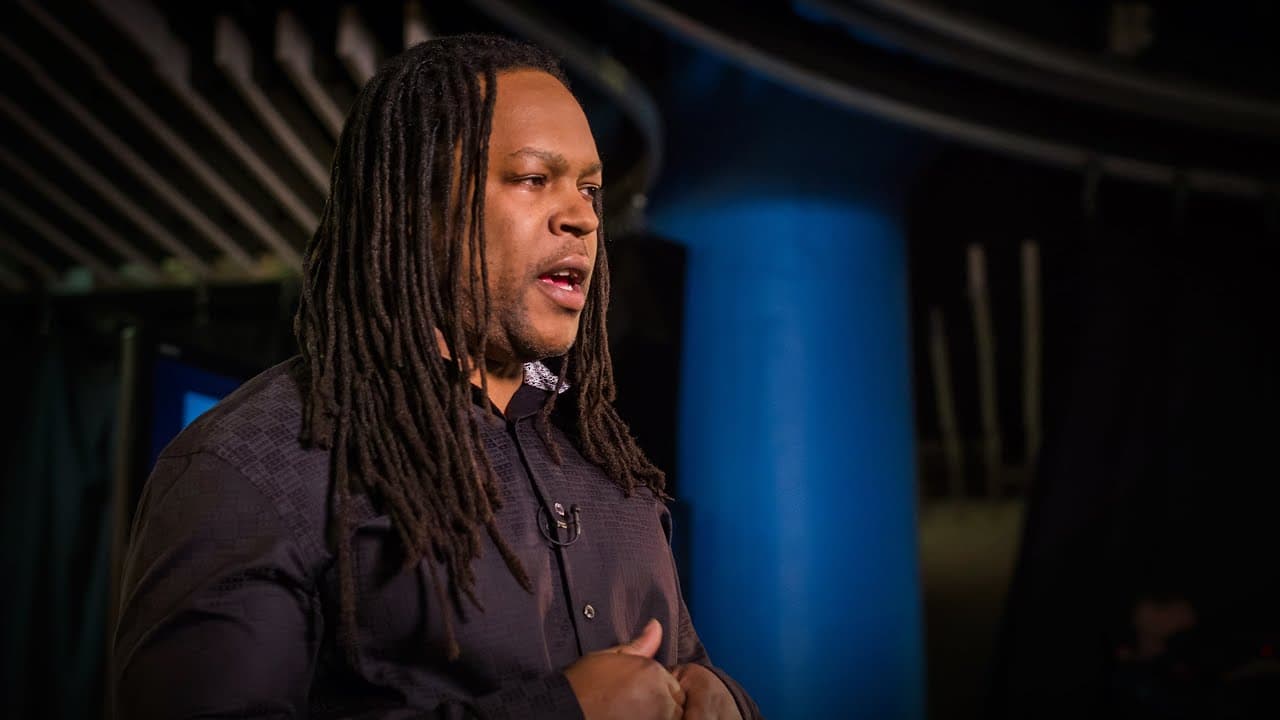
Your past actions do not have to define you; transformation is possible through acknowledgment, apology, and atonement. Shaka Senghor shares how he turned his life around after serving time for murder by embracing mentorship, literature, family support, and writing. He advocates for a more empathetic approach to mass incarceration, emphasizing the potential for redemption in everyone.
Transcript
Twenty-three years ago, at the age of 19, I shot and killed a man. I was a young drug dealer with a quick temper and a semi-automatic pistol. But that wasn't the end of my story. In fact, it was beginning, and the 23 years since is a story of acknowledgment, apology and atonement. But it didn't happen in the way that you might imagine or think. The... Read More
Key Insights
- 😔 The speaker's journey started with a troubled background and a violent act, leading to incarceration and a period of bitterness and hostility.
- 🏫 Mentors played a crucial role in the speaker's transformation, even within the prison system, forcing him to reflect on his decision-making and challenge himself.
- 📚 Literature, specifically encountering brilliant black authors and philosophers like Malcolm X, shattered the speaker's stereotypes and opened his mind to new possibilities.
- 👪 Family support, particularly his father's unshakable faith and an amazing woman who taught him how to love himself, played a significant role in the speaker's transformation and redemption.
- 📝 Writing, particularly journaling about his experiences and childhood, allowed the speaker to open his mind to the concept of atonement and forgiveness, both from others and himself.
- 🚫 The speaker's experience in prison highlighted the flaws in the current system, which is designed to warehouse rather than rehabilitate or transform individuals.
- 💡 Experiencing the rapid technological advancements upon his release highlighted the disparities that incarcerated individuals face when reintegrating into society.
- 🤝 The speaker's wish is for a more empathetic approach to mass incarceration, embracing the idea that people can change if given the space and opportunity for transformation.
- 🎙️ More videos with Shaka Senghor:
Install to Summarize YouTube Videos and Get Transcripts
Explore YouTube Video Summarizer or Get YouTube Transcript Extractor
Questions & Answers
Q: What were the circumstances that led the speaker to commit a fatal shooting at the age of 19?
The speaker explains that growing up, he experienced his parents' separation and eventually divorce, which had a significant impact on his life. At the age of 17, he was shot three times in his neighborhood. During this challenging period, he received no emotional support or guidance, which contributed to his feelings of fear, paranoia, and hyper-violence. This ultimately led to his decision to shoot and kill a man fourteen months later.
Q: How did the speaker's time in prison impact his mindset?
When the speaker entered prison, he harbored bitterness, anger, and feelings of being unloved and abandoned. He initially resisted taking responsibility for his actions, blaming others for his choices. While in prison, he engaged in criminal activities, which further deepened his troubles and led to extended periods of solitary confinement. This time in a harsh and isolating environment began to change when he received a letter from his son, making him reflect on his life and realize the need for personal examination.
Q: What were the key factors that contributed to the speaker's transformation?
The speaker identifies four crucial elements that played a significant role in his transformation. The first was having mentors, some of whom were fellow inmates serving life sentences. These mentors encouraged him to honestly examine his life and question his decision-making. The second factor was the discovery of literature, particularly the autobiography of Malcolm X, which challenged the speaker's self-imposed stereotypes. The third element was finding support from his family, especially his father's unwavering faith in his ability to turn his life around. Lastly, writing allowed the speaker to reflect on his experiences, leading him to consider the concept of atonement.
Q: What motivated the speaker to work towards changing the prison system?
The speaker's motivation to change the prison system stemmed from his realization that many incarcerated individuals come from similarly abusive backgrounds and desire transformation. He observed that the current system prioritizes warehousing rather than rehabilitation. Additionally, after his release from prison, the speaker pursued opportunities and achieved personal success. However, he recognized that not everyone is fortunate enough to have these opportunities and felt a responsibility to help others reenter society and create positive change.
Summary & Key Takeaways
-
The speaker reflects on his past as a young drug dealer who shot and killed a man, highlighting the lack of guidance and support he received during his troubled upbringing.
-
In prison, he undergoes a transformative journey through mentors, literature, family, and writing, which eventually leads to self-forgiveness and a desire to help others in similar situations.
-
He calls for a more empathetic approach to mass incarceration, emphasizing the importance of acknowledging, apologizing, and atoning for one's actions to foster rehabilitation and prevent repeat offenses.
Read in Other Languages (beta)
Share This Summary 📚
Summarize YouTube Videos and Get Video Transcripts with 1-Click
Try YouTube Summary with ChatGPT & Claude or YouTube Transcript Generator
Explore More Summaries from TED 📚




Summarize YouTube Videos and Get Video Transcripts with 1-Click
Try YouTube Summary with ChatGPT & Claude or YouTube Transcript Generator