How Does Being a Muslim NYPD Chaplain Affect Discrimination?
TL;DR
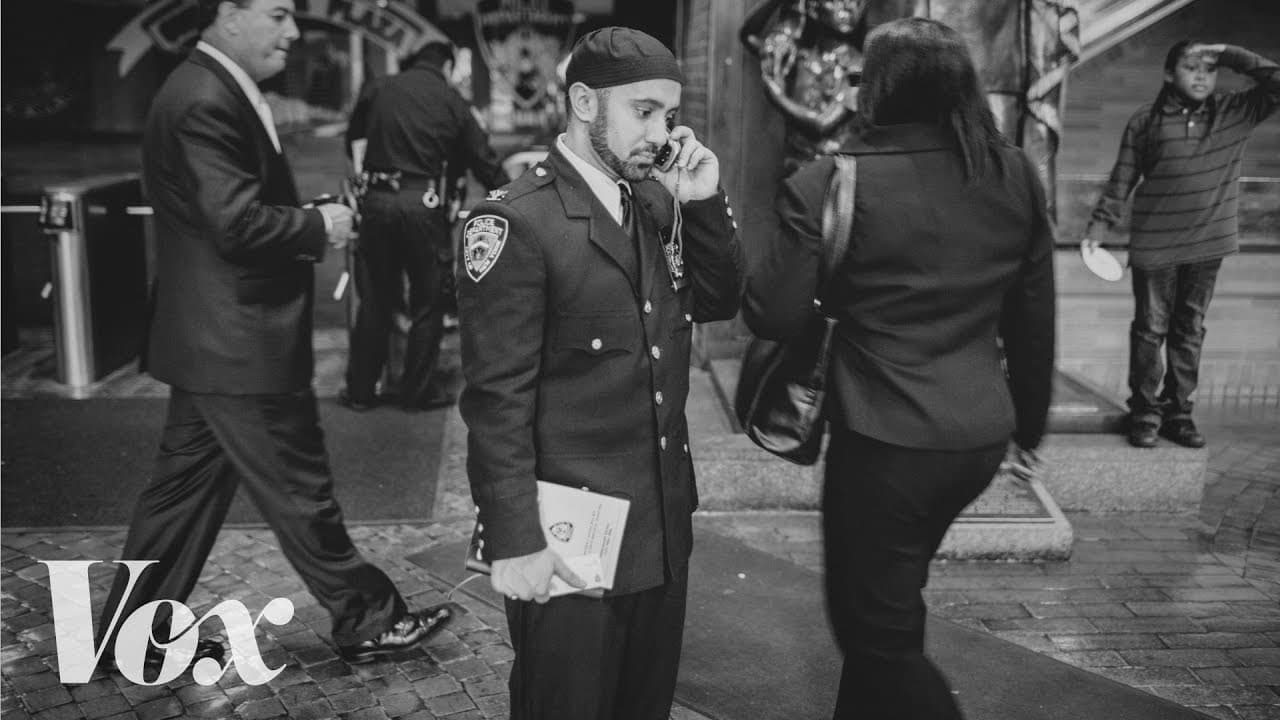
Khalid Latif, a Muslim NYPD chaplain, experiences starkly different treatment in uniform compared to civilian life, showcasing pervasive discrimination against Muslims. Despite his connections with global leaders, he faces routine bias and racial profiling, underscoring the need to address deep-rooted racism in society for everyone's benefit.
Transcript
I was twenty-four years old when I started working at the police department as a Muslim Chaplain. and the uniform in it of itself, just commands a lot of respect. Everyone's calling you "Sir". You have men who are twice your age who stop everything to salute you. There was times I walked into the bathroom, guys are standing at urinals, they would t... Read More
Key Insights
- Khalid Latif experiences a stark contrast in treatment when in uniform versus civilian attire, highlighting societal biases.
- Despite his high-profile connections, including meetings with global leaders, Latif faces routine discrimination due to his Muslim identity.
- Latif's experiences with law enforcement and airport security reveal systemic racial profiling and discrimination against Muslims.
- The presence of FBI agents at Latif's home underscores the suspicion and scrutiny Muslims face in a post-9/11 world.
- Latif's story illustrates the broader issue of discrimination faced by Muslims, regardless of their social or professional status.
- His narrative emphasizes the need for addressing deeply rooted racism for the benefit of society as a whole.
- The support from Latif's wife during discriminatory incidents highlights the personal impact and emotional toll on families.
- Latif's commitment to fostering interfaith dialogue underscores his efforts to combat misconceptions and promote understanding.
Install to Summarize YouTube Videos and Get Transcripts
Explore YouTube Video Summarizer or Get YouTube Transcript Extractor
Questions & Answers
Q: What contrast does Khalid Latif experience in his roles?
Khalid Latif experiences a stark contrast between the respect he receives as a Muslim chaplain in uniform and the discrimination he faces as a civilian. In uniform, he commands respect and is saluted, while as a civilian, he encounters suspicion, racial profiling, and discrimination due to his Muslim identity.
Q: How does Latif's high-profile connections affect his experiences?
Despite Latif's high-profile connections, including meetings with President Obama, Pope Francis, and the Dalai Lama, he still faces routine discrimination. His experiences highlight that even significant social or professional status does not shield Muslims from racial profiling and suspicion in a post-9/11 world.
Q: What systemic issues are highlighted by Latif's experiences?
Latif's experiences with law enforcement and airport security highlight systemic racial profiling and discrimination against Muslims. His encounters reveal the ingrained biases and suspicion Muslims face, regardless of their achievements or roles, underscoring the need for systemic change to address these issues.
Q: What personal impact does discrimination have on Latif's life?
The discrimination Latif faces has a significant personal impact, affecting his emotional well-being and family life. His wife's support during discriminatory incidents underscores the emotional toll on families. These personal experiences highlight the broader societal issue and the urgent need for addressing entrenched racism.
Q: How does Latif contribute to combating misconceptions?
Latif actively contributes to combating misconceptions by fostering interfaith dialogue and promoting mutual education. As a chaplain and Executive Director of the Islamic Center, he works tirelessly to clarify misconceptions, encourage understanding, and build bridges between different faith communities, despite the challenges he faces.
Q: What message does Latif's story convey about societal change?
Latif's story conveys a powerful message about the necessity of addressing deeply rooted racism for the benefit of all humanity. His experiences illustrate the pervasive discrimination Muslims face, emphasizing the need for societal change to promote equality and understanding across all communities.
Q: How does Latif's story highlight the broader issue of discrimination?
Latif's story highlights the broader issue of discrimination faced by Muslims, regardless of their social or professional status. His experiences with racial profiling and suspicion illustrate the systemic biases Muslims encounter, underscoring the need for awareness and action to address these pervasive issues.
Q: What role does Latif's wife play in his experiences?
Latif's wife plays a supportive role during incidents of discrimination, standing by him despite the challenges. Her support highlights the personal impact of discrimination on families and underscores the importance of solidarity and understanding in navigating these difficult experiences together.
Summary & Key Takeaways
-
Khalid Latif, a Muslim chaplain for the NYPD, experiences vastly different treatment when in uniform compared to as a civilian, illustrating societal biases. Despite his high-profile connections, he faces routine discrimination due to his Muslim identity, highlighting the pervasive issue of racial profiling and discrimination against Muslims.
-
Latif's encounters with law enforcement and airport security reveal the systemic racial profiling Muslims face, even when they hold prestigious roles. His experiences underscore the broader issue of discrimination Muslims encounter, regardless of their social or professional status, and the need for societal change.
-
His story emphasizes the importance of addressing deeply entrenched racism for the benefit of all humanity. Latif's commitment to fostering interfaith dialogue and combating misconceptions highlights his efforts to promote understanding and change, despite the personal and emotional toll on him and his family.
Read in Other Languages (beta)
Share This Summary 📚
Summarize YouTube Videos and Get Video Transcripts with 1-Click
Try YouTube Summary with ChatGPT & Claude or YouTube Transcript Generator
Explore More Summaries from Vox 📚


Summarize YouTube Videos and Get Video Transcripts with 1-Click
Try YouTube Summary with ChatGPT & Claude or YouTube Transcript Generator