How to Handle Rejection as a Man Without Losing Confidence
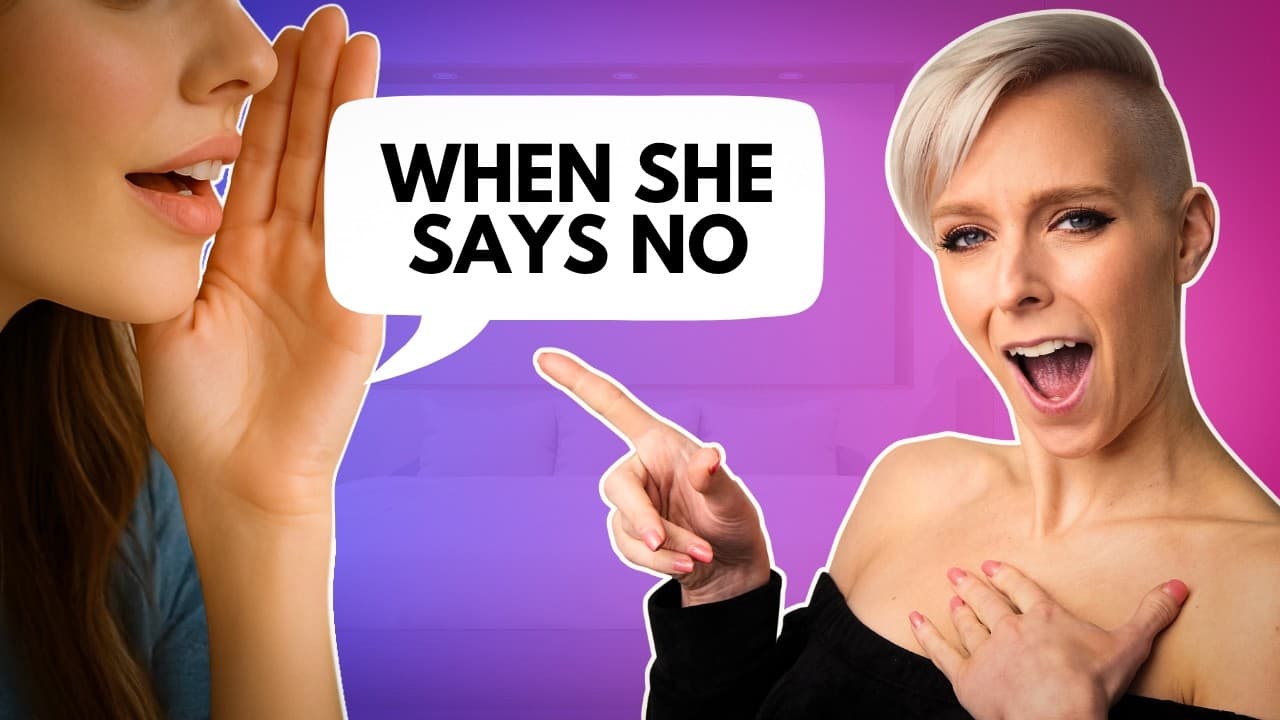
TL;DR
A no is usually not about your worth but about attraction being subjective, timing, mood, or the other person simply looking for something different. Respond with calm, respectful confidence and an abundance mindset, avoid spinning it into a personal narrative, and treat each rejection as reps that build emotional and sexual maturity.
Transcript
Everyone fears it. The moment when you put yourself out there and are met with a no. Rejection feels personal. Sometimes it feels humiliating. And sometimes, perhaps all of the time, it can make us feel like we're not enough. It can also make us afraid to put ourselves out there in the first place, which is why this video is so important. Most men ... Read More
Key Insights
- Rejection is universal: no matter how attractive, successful, funny, tall, wealthy, or experienced you are, everyone gets rejected, so learning to use it to your advantage is more useful than trying to avoid it entirely.
- A no is usually not about you, because attraction is highly subjective. Timing, mood, life circumstances, personal history, or even looking like someone's cousin all influence whether a person gives you a chance.
- Most women feel guilty about rejecting men because they have been rejected too and can empathize, which is why some deliver soft, vague, or apologetic rejections rather than a clear no.
- A wishy-washy or half rejection often comes from women being taught early to avoid conflict and prioritize others' feelings, or from past experiences where a man became aggressive after being rejected.
- You can reclaim power by asking for clarity kindly, saying something like 'I get the feeling this isn't a 100% yes for you, don't worry about it,' which lets her be direct and shows confidence.
- How you respond to rejection matters more than the rejection itself. Handling a no with grace, respect, and an abundance mindset leaves a lasting impression and can even reopen the door later.
- Don't turn rejection into a personal narrative, because the inner critic spins stories like 'no one finds me attractive' or 'I'll be alone forever' that are made-up stories, not objective truth.
- Rejection builds relational, sexual, and emotional maturity like a muscle. The more you get used to hearing no, the less you fear it, and the more likely you are to keep asking.
Install to Summarize YouTube Videos and Get Transcripts
Explore YouTube Video Summarizer or Get YouTube Transcript Extractor
Questions & Answers
Q: Why does rejection feel so personal and humiliating?
Rejection feels personal because when you put yourself out there and are met with a no, it can make you feel like you're not enough, and it can even make you afraid to try again. But the coach explains that a no is usually not about your worth or how great you are inside or out. It only means the person is looking for something different than what you're offering at this time.
Q: Is rejection actually about me when a woman says no?
Usually not. The coach says attraction is highly subjective, with tiny factors like timing, mood, life circumstances, personal history, or even looking like one of her cousins playing a role. Sometimes the person isn't emotionally available or ready for a relationship. Just because you aren't the right fit at that moment doesn't mean anything about you. The exception is if you were disrespectful or crude, which is something to work on.
Q: Why do women sometimes give vague or confusing rejections?
Most women feel guilty rejecting men because they have been rejected too and know how much it sucks. Many were taught from an early age to avoid conflict and prioritize others' feelings, so they deliver a soft, hesitant, apologetic, or unclear no to avoid hurting you. In a worst case, a woman who was met with aggression or violence after rejecting someone in the past may stay vague because she doesn't know how you'll respond.
Q: How should I respond when I get a wishy-washy answer?
If you clearly stated your interest and get an answer you have to decipher, be more direct or cut your losses. The coach suggests kindly saying, 'Hey, I get the feeling that this isn't a 100% yes for you. Don't worry about it.' This gives her the chance to correct you if you misread things and the comfort to be direct. If it isn't a 100% yes for both of you, you don't want it, and asking shows confidence.
Q: How do you handle rejection with confidence and grace?
Keep it simple, easygoing, and kind. Sometimes it's as simple as saying, 'Hey, thanks for being honest. I respect that,' and then moving on, maybe even going to talk to her friend. Understand it's not personal, there's no fault or blame, and it's not her fault she isn't available. Handling it well signals you know your worth and that plenty of women are looking for what you offer, which is genuinely attractive.
Q: Can handling rejection well change the outcome later?
It can. The coach says how you handle rejection leaves a lasting impression and might open the door at a later point. Many stories exist of a man approaching a woman, being told no, handling it with respect, and then later staying on her mind until she reaches back out interested. A lot of people say no before they say yes. If you close the door by being rude, it's closed, but if you don't burn the bridge, you can always revisit it.
Q: How do I stop turning rejection into a personal story?
Recognize that your inner critic loves to spin narratives like 'no one finds me attractive,' 'I'm unwanted,' or 'I'll be alone forever,' but these are stories you made up, not objective truth. Ask yourself what story you tell yourself about rejection and get clear on those words. Then reframe from 'I'm not good enough' to 'she's looking for something specific and it just happens to be different than what I can offer,' which is far more gentle.
Q: Does getting rejected more often actually help you?
Yes. The coach says every rejection redirects you toward something better for you, like a GPS recalculating a new course when you take a wrong turn. It also builds your relational, sexual, and emotional maturity. Learning to handle no with grace is like building a muscle through reps: the more you get used to hearing no, the less afraid of it you become, and the less afraid you are, the more likely you are to keep asking.
Summary & Key Takeaways
-
The coach opens by naming rejection as something everyone fears because it feels personal, humiliating, and like proof we're not enough, which can stop men from putting themselves out there at all. She promises seven real truths about why rejection happens and how to walk away with confidence intact.
-
Truths seven through five reframe rejection: it is usually not about you since attraction is subjective, most women actually feel guilty rejecting men and may soften or blur their no, and how you respond with confidence and respect matters most and can leave a door open for later.
-
Truths four and three focus inward: don't let your inner critic turn a no into a personal narrative of being unwanted, but reframe it as a redirection toward a better fit. Each rejection is like a rep that builds sexual maturity and reduces fear of hearing no.
Read in Other Languages (beta)
Share This Summary 📚
Summarize YouTube Videos and Get Video Transcripts with 1-Click
Try YouTube Summary with ChatGPT & Claude or YouTube Transcript Generator
Explore More Summaries from Caitlin V 📚






Summarize YouTube Videos and Get Video Transcripts with 1-Click
Try YouTube Summary with ChatGPT & Claude or YouTube Transcript Generator