Prisoner No More: How Tae Jin Park Confronted Cerebral Palsy

TL;DR
Tae Jin Park confronted cerebral palsy through personalized strength and walking training that built on his starting abilities. Born two months prematurely in Seoul, he struggled with balance even after surgery and initially could not lift a standard bar, but he managed a 3-pound wooden bar and progressed from there. His path toward greater strength, independence, and college shows why finding the right starting point matters. Read on for the pivotal steps.
Transcript
Throughout the years, I I learned one thing that everybody can get better. It's just where to start. Find the starting point. My name is Tim Ferris and I'm here to share a story with you about what can happen when belief meets action. Many of us take things for granted, things that feel second nature, automatic, easy. But for some people, even the ... Read More
Key Insights
- Cerebral palsy is a permanent disorder affecting movement and control, often diagnosed at birth.
- Recent research suggests up to 30% of cerebral palsy cases may have a genetic component.
- Effective intervention requires understanding the root cause of cerebral palsy in each individual.
- Tailored training and support can significantly improve mobility and independence for those with cerebral palsy.
- Tae Jin Park's journey demonstrates the power of personalized coaching in overcoming physical limitations.
- Parental involvement and belief in a child's potential are crucial for progress in cerebral palsy cases.
- Strength training helped Tae Jin Park gain physical strength, balance, and confidence.
- Individuals with cerebral palsy can achieve independence and pursue higher education with the right support.
Install to Summarize YouTube Videos and Get Transcripts
Explore YouTube Video Summarizer or Get YouTube Transcript Extractor
Questions & Answers
Q: How did Tae Jin Park confront the challenges of cerebral palsy?
Tae Jin Park began personalized training with Jersey, who first assessed what he could do and built from that baseline. The work included strength exercises and slower heel-to-toe walking practice, helping Tae Jin pursue greater mobility and independence.
Q: What early signs indicated that Tae Jin Park had cerebral palsy?
Tae Jin was born in Seoul, Korea, two months prematurely and spent 15 days in the hospital. He did not crawl at six or seven months and still did not try to stand or walk roughly a year to a year and a half later, leading his family to seek a diagnosis.
Q: Why did Tae Jin Park undergo surgery?
Tae Jin walked on his tiptoes, and the hospital recommended surgery. When he was 10, his family was told that delaying longer might make surgery impossible because of his weight, so he underwent the procedure in Germany to place his feet on the ground.
Q: What difficulties remained after Tae Jin Park's surgery?
The surgery put Tae Jin's feet on the ground, but it did not resolve his balance problems. A small bump could trip him, and he fell easily, prompting his father to seek additional help.
Q: How did Tae Jin Park begin training with Jersey?
Tae Jin's father met Jersey through his friend Bob after struggling to find a steady personal trainer. Jersey said cerebral palsy did not make Tae Jin fundamentally different from anyone else and agreed to see what he could do.
Q: What happened during Tae Jin Park's first strength assessment?
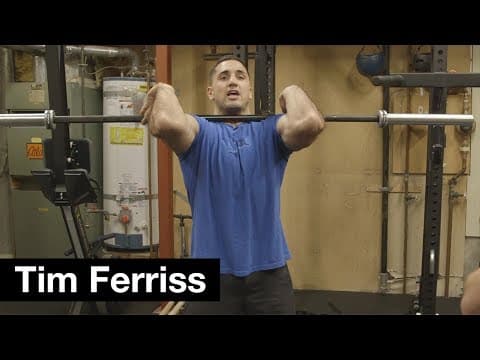
Tae Jin was unable to lift a standard bar from the bench. He then lifted a 3-pound wooden bar, progressed to additional weight, and subsequently managed the aluminum bar, convincing Jersey that he could progress quickly.
Q: What walking technique did Tae Jin Park practice?
Tae Jin practiced walking slowly with a heel-to-toe motion. Jersey repeatedly coached him to slow down and place the heel and toe deliberately, focusing on controlled movement.
Q: What does Tae Jin Park's story suggest about improving function with cerebral palsy?
The approach begins by identifying why movement is affected and establishing the person's baseline activity. Training can then strengthen and build on existing abilities, reflecting Jersey's belief that everybody can improve when the right starting point is found.
Summary & Key Takeaways
-
Tae Jin Park, born with cerebral palsy, initially struggled with basic physical tasks. Through dedicated training and support, he developed strength and independence, ultimately attending college. His story illustrates the potential for individuals with disabilities to achieve significant progress with tailored intervention.
-
Cerebral palsy affects movement and control, often due to genetic or environmental factors. Tae Jin Park's journey highlights the importance of personalized coaching and parental support in overcoming these challenges, enabling individuals to lead fulfilling lives.
-
By focusing on tailored interventions and strength training, Tae Jin Park transformed his life, gaining independence and confidence. His story serves as a testament to the potential within everyone, regardless of physical limitations, when given the right opportunities and encouragement.
Read in Other Languages (beta)
Share This Summary 📚
Summarize YouTube Videos and Get Video Transcripts with 1-Click
Try YouTube Summary with ChatGPT & Claude or YouTube Transcript Generator
Explore More Summaries from Tim Ferriss 📚



Summarize YouTube Videos and Get Video Transcripts with 1-Click
Try YouTube Summary with ChatGPT & Claude or YouTube Transcript Generator