The surprising effects of pregnancy
TL;DR
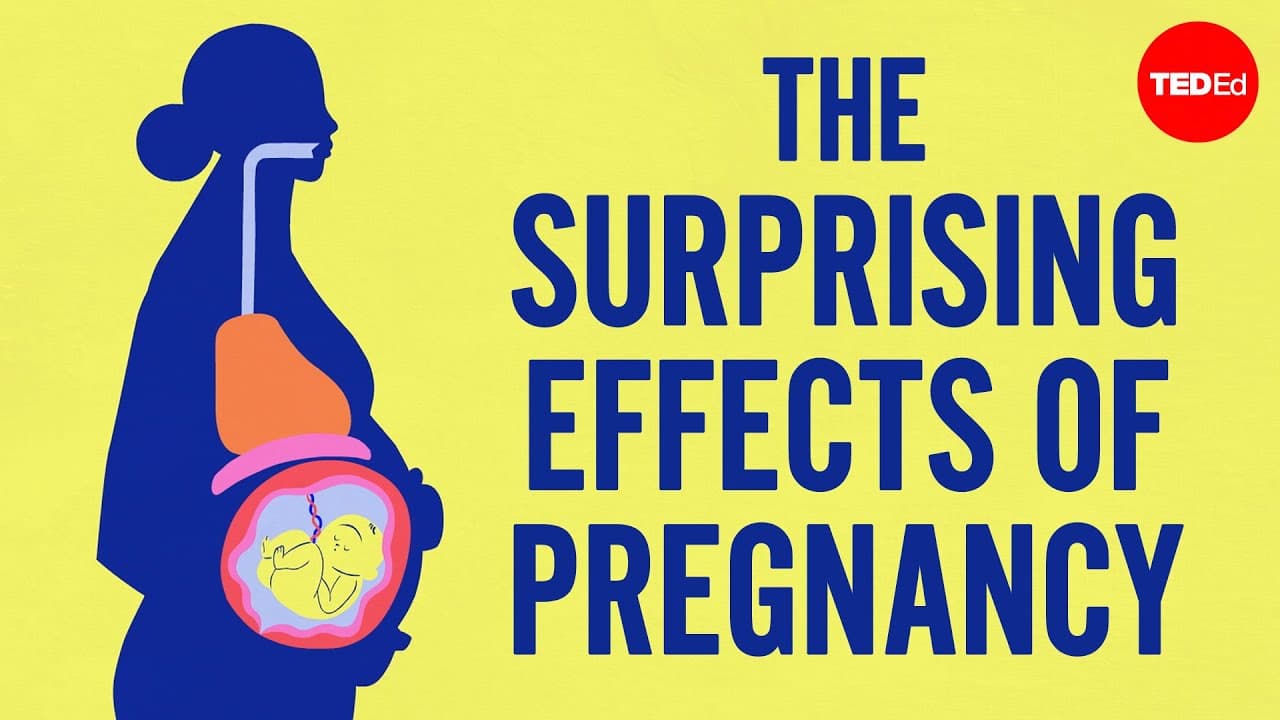
Pregnancy changes every organ in the body through hormonal, immune, muscular, cardiovascular, respiratory, and neurological adaptations that support the mother and growing fetus. Blood volume rises by 50% or more, while progesterone and relaxin loosen muscles, contributing to constipation, reflux, and shortness of breath. Researchers are also finding possible adaptive brain changes, though much remains unknown. Read on to see how these interconnected changes unfold.
Transcript
Muscles and joints shift and jostle. The heart’s pounding rhythm speeds up. Blood roars through arteries and veins. Over the course of a pregnancy, every organ in the body changes. Ignited by a range of hormones, these changes begin as soon as pregnancy begins. Just days after fertilization, the embryo implants in the lining of the uterus. Beca... Read More
Key Insights
- 💪 Pregnancy triggers a multitude of bodily changes, including immune system adaptations, muscle and organ adjustments, and cardiovascular modifications.
- 💪 Common pregnancy symptoms like constipation, heartburn, and shortness of breath are a result of hormonal effects on muscles and organs.
- 💗 The cardiovascular system undergoes significant changes during pregnancy, including increased blood volume and heart rate, to support the growing fetus.
- 🧠 Pregnancy also influences brain function, with research indicating potential adaptive changes related to parenting skills.
- 🧠 Limited research on the effects of pregnancy on the brain underscores the historical focus on fetal development rather than maternal health.
- ❓ Each pregnancy is unique, and consulting a healthcare provider is crucial for addressing individual concerns and complications.
- 🙂 Ongoing research into pregnancy biology is shedding light on the intricacies of maternal health and fetal development.
Install to Summarize YouTube Videos and Get Transcripts
Explore YouTube Video Summarizer or Get YouTube Transcript Extractor
Questions & Answers
Q: What effects does pregnancy have on the body?
Pregnancy changes every organ in the body, beginning soon after pregnancy starts. Hormones drive immune adaptations, loosen muscles, alter breathing, expand blood volume, increase heart rate, and may produce adaptive changes in the brain.
Q: How does the immune system protect the fetus during pregnancy?
The immune system does not simply become weaker; it enters a complex interaction involving many types of immune cells. Some of these cells appear to protect the fetus from attack by other immune cells, while an antibacterial mucus plug seals the cervix and keeps germs away until labor.
Q: Why can pregnancy cause constipation, heartburn, and reflux?
Progesterone and relaxin loosen muscles to help accommodate the expanding uterus. They also loosen digestive-tract muscles, slowing the passage of food and waste and causing constipation, while loosened muscles at the top of the stomach can let acid escape into the esophagus and throat.
Q: Why can pregnant women feel short of breath?
As the uterus grows, it pushes against the diaphragm and limits its range of movement. Progesterone stimulates faster breathing so the mother and baby can receive enough oxygen despite reduced lung capacity.
Q: How does pregnancy change blood volume and red blood cell production?
The kidneys produce more erythropoietin, which increases red blood cell production, and retain extra water and salt to expand blood volume. Blood volume rises by 50% or more, but red blood cells increase by only 25%, so the blood becomes somewhat diluted.
Q: How does pregnancy affect the heart and blood pressure?
The heart works harder to pump the expanded blood supply through the body and placenta, and the pregnant woman’s heart rate increases. The transcript notes that healthy pregnancy-related blood pressure changes are not fully understood, even though some serious complications involve the heart and blood pressure.
Q: What effects can the expanding uterus have on circulation?
The uterus can press on veins and cause fluid to build up in the legs and feet. Pressure on the inferior vena cava may interfere with blood returning to the heart, potentially causing a dizzying drop in blood pressure after standing too long.
Q: How does pregnancy affect the brain?
Studies have found differences in brain scans after pregnancy and early parenting, suggesting that some changes may be adaptive. They could support parenting skills such as reading facial cues, but pregnancy’s effects on the brain remain among the least understood changes.
Summary
During pregnancy, every organ in the body undergoes changes as a result of hormonal shifts. These changes are complex and involve various types of immune cells, as well as adjustments in muscle function, blood volume, and brain activity. While some changes are reversible after childbirth, others have long-lasting effects that may even enhance parenting skills. However, research on pregnancy has predominantly focused on the fetus rather than pregnant women themselves.
Questions & Answers
Q: How does the immune system protect both the mother and the fetus during pregnancy?
The immune system faces the challenge of recognizing the embryo, with its DNA that doesn't match the mother's, as a friendly entity instead of an invader. The immune response during pregnancy is not simply decreased but rather involves a complex interaction of various immune cells. Some immune cells seem to protect the fetus from attacks by other immune cells, ensuring the well-being of both mother and baby.
Q: How does the body create a protective barrier against bacteria during pregnancy?
To keep harmful germs away, the body produces an antibacterial plug made of mucus on the cervix. This plug remains sealed until labor, acting as a barrier against potential infections.
Q: What hormonal signals cause muscle relaxation during pregnancy?
Hormones called progesterone and relaxin signal muscles to loosen, allowing the uterus to expand upward and outward with the growing fetus. However, this muscle relaxation can lead to sluggishness in the digestive tract, causing constipation, as well as acid escape from the stomach, resulting in heartburn and reflux.
Q: How does pregnancy affect breathing and oxygen intake?
As the growing uterus pushes on the diaphragm, the muscle responsible for chest expansion during breathing, its range of motion becomes limited. To compensate, the hormone progesterone acts as a respiratory stimulant, causing pregnant women to breathe faster than usual. This ensures sufficient oxygen intake for both the mother and the baby, despite the reduced lung capacity.
Q: What changes occur in blood volume and red blood cell production during pregnancy?
The kidneys produce more erythropoietin, a hormone that increases the production of red blood cells. Additionally, the kidneys retain extra water and salt, rather than filtering them out through urine, in order to increase blood volume. As a result, a pregnant woman's blood volume increases by 50% or more. However, the blood is slightly diluted since it only contains 25% more red blood cells. This can lead to iron and nutrient deficiencies in the mother because the fetus also needs these resources for its own blood supply.
Q: How does the heart adapt to the increased blood volume during pregnancy?
The heart works harder to pump the increased blood volume through the body and placenta. This results in an increased heart rate during pregnancy. However, the effects of pregnancy on blood pressure are still not fully understood, although they are crucial to explore due to their potential relationship with serious complications.
Q: What bodily changes occur due to the expanding uterus?
The expanding uterus can press on veins, leading to fluid buildup in the legs and feet. If it presses on the inferior vena cava, a large vein responsible for blood return to the heart, it may interfere with blood flow and cause a sudden drop in blood pressure after prolonged standing.
Q: How do bodily changes reverse after childbirth?
Before delivery, the fetus drops down, alleviating the pressure on the diaphragm and allowing the pregnant woman to take deeper breaths. During labor and birth, much of the extra fluid in the body is lost when the water breaks. In the weeks following birth, the uterus shrinks back to its original size.
Q: What research has been done on pregnancy's impact on the brain?
Research on pregnancy's effects on the brain is still relatively limited compared to other aspects of pregnancy. However, recent studies have shown differences in brain scans after pregnancy and early parenting. These changes are believed to be adaptive and may enhance parenting skills, such as increased ability in reading facial cues. Further research is needed to fully understand the impact of pregnancy on the brain.
Q: Why is research on pregnant women important?
Historically, research on pregnancy has primarily focused on the development and well-being of the fetus. However, experiences of pregnancy can vary widely due to individual health conditions, and more research dedicated to understanding the effects of pregnancy on women themselves is crucial. This will help explain variations in healthy pregnancies and enable the development of effective treatments where needed.
Takeaways
Pregnancy triggers significant changes in a woman's body, involving multiple organs and systems. These changes are complex and involve immune interactions, muscle relaxation, blood volume, and brain activity. While some changes revert after childbirth, others have long-lasting effects. However, research on pregnancy has traditionally prioritized the developing fetus over pregnant women themselves. Newer research is beginning to explore the diverse impact of pregnancy, paving the way for a better understanding of this incredible biological process. It is essential for pregnant women to consult with a healthcare professional to address any specific concerns during pregnancy.
Summary & Key Takeaways
-
Pregnancy initiates a cascade of changes in the body, from hormonal shifts to immune adaptations to accommodate the growing fetus.
-
Muscles and organs undergo modifications to make room for the developing baby, leading to common issues like constipation, heartburn, and shortness of breath.
-
The cardiovascular system also undergoes significant changes to meet the increased demands of pregnancy, with the heart pumping harder and blood volume expanding.
Read in Other Languages (beta)
Share This Summary 📚
Summarize YouTube Videos and Get Video Transcripts with 1-Click
Try YouTube Summary with ChatGPT & Claude or YouTube Transcript Generator
Explore More Summaries from TED-Ed 📚






Summarize YouTube Videos and Get Video Transcripts with 1-Click
Try YouTube Summary with ChatGPT & Claude or YouTube Transcript Generator