How to Manage Successful Teams: Key Takeaways
TL;DR
To manage successful teams, start with a clear goal, balance diversity and hierarchy, and actively encourage diverse perspectives. Effective team design involves guiding participation and influence to enhance performance, recognizing that factors like physical attractiveness can affect influence more than expertise. Leaders should ensure a productive balance between structure and participation for optimal outcomes.
Transcript
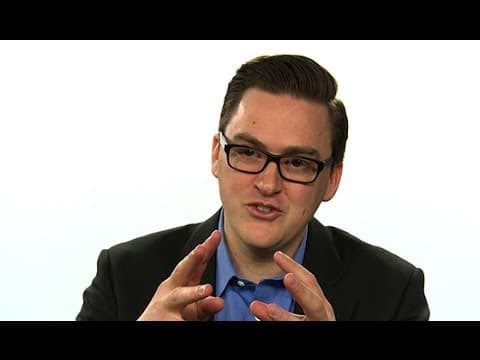
[MUSIC] >> My name is Deb Gruenfeld and I'm a faculty member at Stanford in the Graduate School of Business. One of my favorite classes is called managing groups and teams. And I'm going to share five key takeaways from that class today. >> [MUSIC] There's no one way to design teams for success. You have to start with the end in mind. Often, when w... Read More
Key Insights
- 😤 Teams should be designed around clear goals for success.
- 😤 Consideration should be given to diversity and hierarchy when designing teams.
- ❓ Actively encouraging diverse perspectives and challenging assumptions is crucial.
- 😤 Influence within teams is not solely based on expertise, but can be influenced by other factors.
Install to Summarize YouTube Videos and Get Transcripts
Explore YouTube Video Summarizer or Get YouTube Transcript Extractor
Questions & Answers
Q: How should teams be designed for success?
Teams should be designed around clear goals and outcomes that they hope to achieve. The composition of the team should be dictated by what is necessary to reach those goals.
Q: What are the two key dimensions to consider when designing teams?
The two key dimensions are diversity and hierarchy. Teams need to decide whether to prioritize diversity and different perspectives or align goals for more control. Similarly, teams need to consider whether to have equal participation or favor voices of experts or key stakeholders.
Q: How can teams ensure diverse perspectives are heard?
It is important to use processes that normalize raising alternate viewpoints, asking questions, and challenging assumptions. These actions should not be left to chance, especially in diverse groups where psychological safety might be low.
Q: What factors influence influence within teams?
Expertise does not always predict influence in teams. Instead, factors like physical attractiveness and gender tend to have a greater impact. Teams should be aware of these dynamics and take steps to counteract them, including creating space for equal participation.
Summary & Key Takeaways
-
Teams should be designed with a clear goal in mind to ensure success.
-
When designing teams, consider whether to prioritize diversity and different perspectives or align goals for more control.
-
It is crucial to actively promote and encourage diverse perspectives to surface in teams.
-
Influence in teams is not necessarily determined by expertise, but can be influenced by factors like physical attractiveness and gender.
-
Balancing top-down structure and bottom-up participation is essential for effective team management.
Read in Other Languages (beta)
Share This Summary 📚
Summarize YouTube Videos and Get Video Transcripts with 1-Click
Try YouTube Summary with ChatGPT & Claude or YouTube Transcript Generator
Explore More Summaries from Stanford Graduate School of Business 📚





Summarize YouTube Videos and Get Video Transcripts with 1-Click
Try YouTube Summary with ChatGPT & Claude or YouTube Transcript Generator