How will the creator economy double ad revenue by 2027?
TL;DR
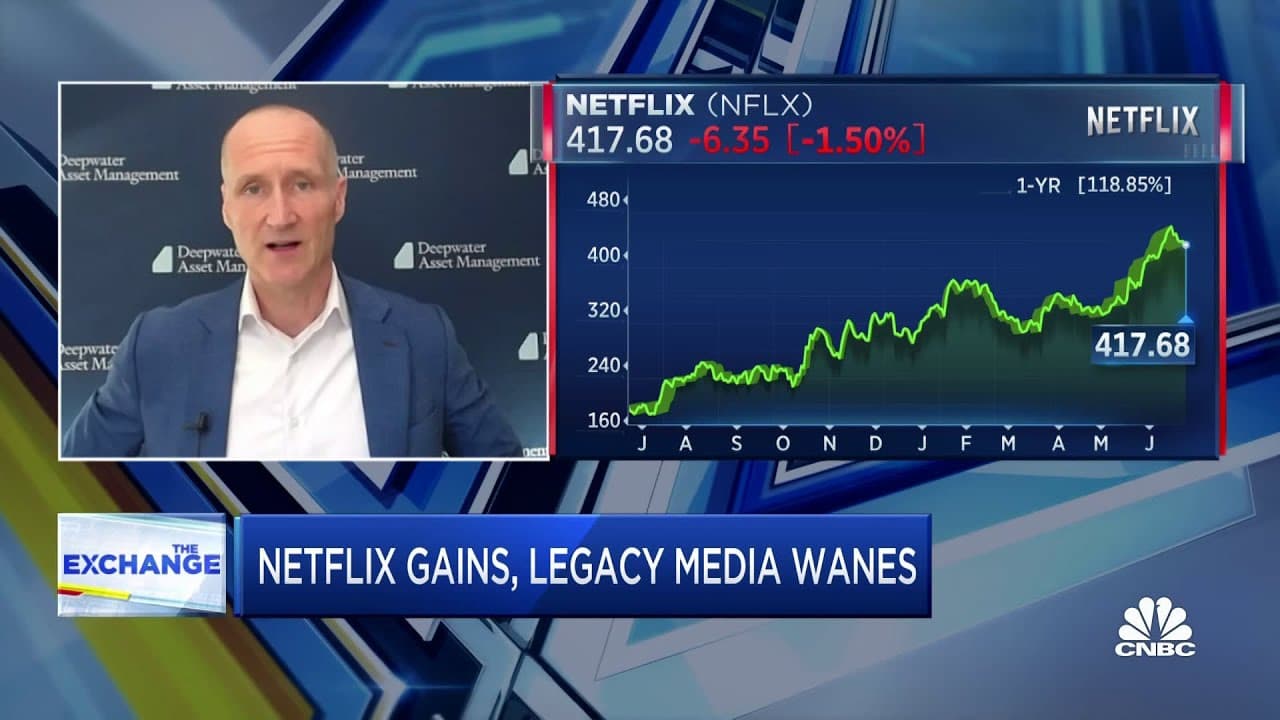
The creator economy is projected to double ad revenue by 2027, according to the panel. The growth is framed as a shift from legacy and streaming dynamics to creator-driven content, with Goldman Sachs forecasting substantial ad revenue and Netflix’s positioning as a key player. Investors should monitor the creator economy as a core driver of future attention and returns.
Transcript
GENE MUNSTER AND LAURA MARTIN. THIS IS A POWER PANEL. I LOVE IT! ALEX, FIRST TO YOU WHAT'S GOING ON HERE >> WELL, I THINK THERE WAS MAYBE A LEGACY MEDIA EXECUTIVES THAT IT WAS TIED TO NETFLIX IN BOTH IN A BAD AND A GOOD WAY. IN OTHER WORDS, THE AIR CAME OUT OF NETFLIX LAST YEAR WHEN THE NARRATIVE AROUND STREAMING GROWTH DIED AND WE SAW NETFLIX SHA... Read More
Key Insights
- Content growth is organized around three pillars: legacy, streaming, and creator content.
- Goldman Sachs projects creator-driven ad revenue to reach 500 billion, signaling a major shift in where money flows.
- The creator economy is expected to drive significant ad revenue growth through 2027, influencing investor perspectives on Netflix and other legacy brands.
- Netflix is highlighted as a potential winner due to advertising, cash flow improvements from password sharing measures, and continued audience growth.
- Legacy media faces declines in returns on capital due to audience attention shifting toward user-generated content and video games.
- Attention economy and platforms like TikTok and YouTube are cited as diverting younger audiences away from traditional TV.
- The panel discusses the potential for legacy media to pursue new avenues such as video games and acquisitions to regain investor excitement.
- There is an implied expectation that creator-driven content will increasingly determine streaming economics and capital allocation decisions.
- More videos from this channel:
- More from this channel: CNBC Television
Install to Summarize YouTube Videos and Get Transcripts
Explore YouTube Video Summarizer or Get YouTube Transcript Extractor
Questions & Answers
Q: What are the three major pillars of content growth discussed by the panel?
The three major pillars are legacy, streaming, and creator content. The panel emphasizes that while legacy media and streaming have driven growth in the past, the creator economy represents a larger, evolving layer of content creation that could redefine profitability and investor expectations. This shift is framed as essential for understanding future growth trajectories in media and entertainment.
Q: What is the projected impact of the creator economy on ad revenue by 2027?
The panel cites Goldman Sachs forecasting that the creator economy will double total ad revenue related to creator content to 500 billion by 2027. This projection positions creator-driven content as a dominant source of future ad spending and suggests that traditional streaming and legacy models may need to adapt to this new revenue stream.
Q: How does Netflix fit into the creator economy narrative according to the discussion?
Netflix is described as having added advertising and potentially benefiting from cash flow improvements due to passport sharing lockdowns. The conversation frames Netflix as one of the few that could grow returns on invested capital and cash flow, making it a key player in the shifting landscape where creator content and advertising become more central to profitability.
Q: What challenges do legacy media brands face in this new environment?
Legacy media brands face pressure on returns on capital as audience attention shifts toward user-generated content and platforms like TikTok and YouTube. The panel notes that legacy strategies may no longer drive the same profits, and there is uncertainty about whether these companies will successfully pivot to new revenue streams such as video games or creator-focused acquisitions.
Q: What role does the attention economy play in this discussion?
The attention economy is highlighted as a force shifting younger audiences away from traditional TV toward low-cost, user-generated content. The conversation cites TikTok and YouTube as examples and suggests that attention metrics will increasingly influence which content forms are financially viable, potentially impacting how media companies allocate resources and pursue growth.
Q: What future avenues for legacy media are considered by the panel?
Possible future avenues include acquisitions or organic growth in new directions such as user-generated content and video games. The panel acknowledges significant players in the games sector and notes regulatory considerations, implying that legacy media could pursue these areas to regain investor excitement and diversify revenue beyond traditional broadcasting.
Q: How might live sports and alternative content strategies impact Netflix’s position?
The panel mentions Netflix pursuing live sports as a strategy that could expand content appeal and cash flow. It contrasts this with the broader shift toward creator content and advertising, suggesting that while live sports may bolster Netflix temporarily, sustained growth will depend on leveraging the creator economy and ad-supported revenue models.
Q: What is the overarching takeaway about the creator economy’s influence on media stocks?
The overarching takeaway is that the creator economy is becoming a central driver of advertising growth and audience engagement, potentially reshaping valuations and growth expectations for media stocks like Netflix. Investors should monitor creator-driven ad revenue as a key indicator of future performance, alongside traditional streaming and legacy business dynamics.
Summary & Key Takeaways
-
The video discusses three major content pillars: legacy, streaming, and creator content, and argues that the creator economy will become a dominant driver of ad revenue growth through 2027.
-
The panel notes Netflix adds advertising and benefits from passport sharing measures, contrasting legacy media struggles with fast-growing creator-driven revenue streams.
-
The conversation links attention economy and user-generated content to shifts in viewership, suggesting creator content may outpace traditional streaming in attracting younger audiences.
Read in Other Languages (beta)
Share This Summary 📚
Summarize YouTube Videos and Get Video Transcripts with 1-Click
Try YouTube Summary with ChatGPT & Claude or YouTube Transcript Generator
Explore More Summaries from CNBC Television 📚




Summarize YouTube Videos and Get Video Transcripts with 1-Click
Try YouTube Summary with ChatGPT & Claude or YouTube Transcript Generator