Why Are Asian Markets Cooling as Tariff Hopes Fade?
TL;DR
Asian markets faced renewed pressure as investors weighed uncertain tariff negotiations, central bank decisions, earnings, jobs data, and geopolitical risks. A likely extension of the US-China trade truce offered limited reassurance, while the EU trade deal weakened the euro, tougher US pressure on Russia lifted oil, and tariff leverage helped bring Thailand and Cambodia to a ceasefire.
Transcript
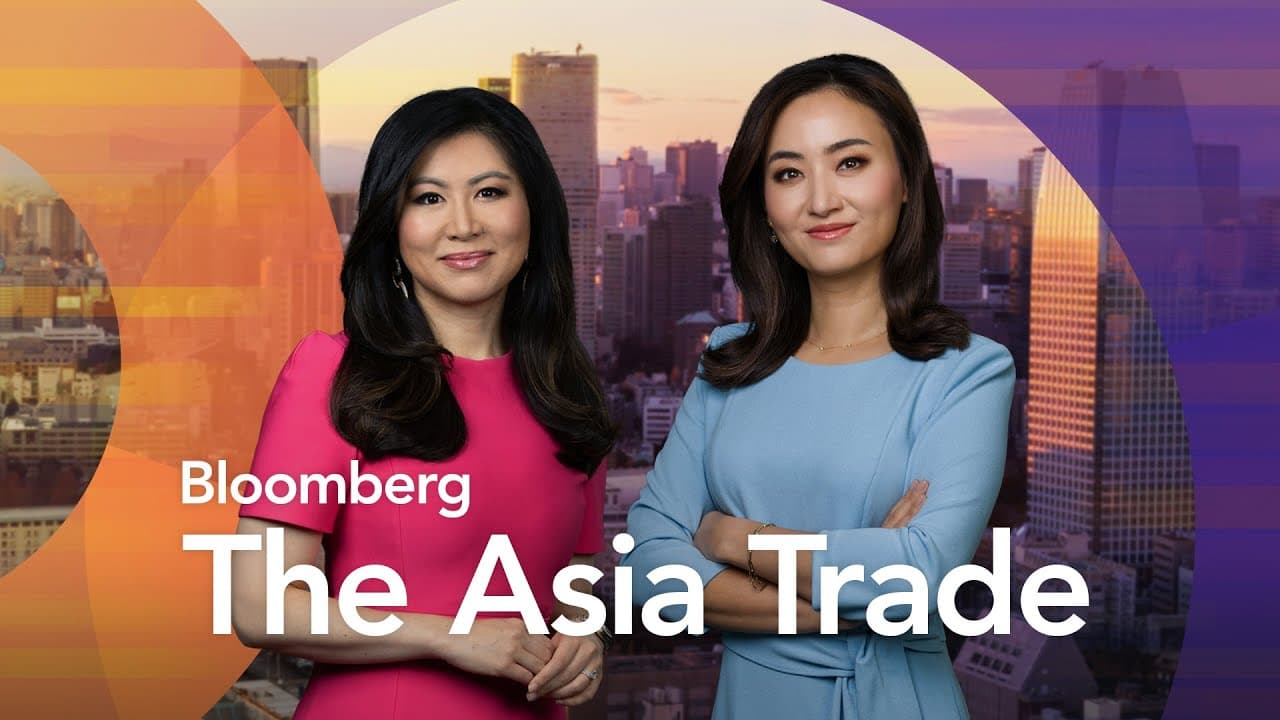
THIS IS THE ASIA TRADE, I'M SHERY AHN IN TOKYO. I AM AVRIL HONG IN SINGAPORE. THE TOP STORIES THIS HOUR. ASIAN STOCKS SET TO OPEN UP UNDER PRESSURE AS TRADERS ASSESS THE LATEST TARIFF NEGOTIATIONS AHEAD OF THE DAILY NEWS OF DATA AND EARNINGS. THE EURO SLIPS AS THEY WARNED OF ECONOMIC DAMAGE FROM THE U.S. TRADE DEAL. OIL GAINS AS PRESIDENT TRUMP SAY... Read More
Key Insights
- Asian equities were under pressure as traders assessed tariff negotiations before a heavy schedule of economic data and corporate earnings. Japanese futures pointed higher after two declining sessions, but markets were still retreating from the strong rally recorded during the previous week.
- The offshore yuan held near the 7.18 level while facing pressure from a stronger US dollar. Currency and equity investors were also watching potential US trade agreements with South Korea, India, and Australia after Washington had already reached an agreement with Japan.
- The Federal Reserve and Bank of Japan were expected to leave policy unchanged at their upcoming meetings. Investors nevertheless watched both decisions for signals, while the Treasury's estimated federal borrowing of $1 trillion increased attention on future bond issuance and sales plans.
- The EU-US trade agreement imposed a 15% tariff on most European exports to the United States. Critics argued that it favored US interests and exposed Europe's automobile industry, while European Commission President Ursula von der Leyen presented the agreement as providing greater stability and predictability.
- The US-China negotiations in Stockholm were expected to produce more time rather than a major breakthrough. Commerce Secretary Howard Lutnick said a 90-day extension of the trade truce was likely, although President Trump would make the final decision after receiving advice from negotiators.
- China's objectives included lower tariffs and looser technology restrictions, which it argued could support additional purchases and help rebalance trade. US priorities included Russian and Iranian oil purchases, Chinese industrial overcapacity, continued rare earth supplies, and an agreement covering US agricultural products.
- President Trump's shortened deadline for Russia increased the prospect of sanctions or secondary tariffs if no Ukraine truce emerged. Such penalties could affect major Russian trading partners, including China, India, and Turkey, because they purchase Russian oil and natural gas.
- Tariff leverage helped move Thailand and Cambodia toward an immediate and unconditional ceasefire after five days of fighting. Trump warned that trade deals would not proceed unless the conflict stopped, while both countries faced proposed tariffs of 36% on goods entering the United States.
Install to Summarize YouTube Videos and Get Transcripts
Explore YouTube Video Summarizer or Get YouTube Transcript Extractor
Questions & Answers
Q: Why were Asian stock markets under pressure?
Asian stocks faced pressure because traders were assessing uncertain tariff negotiations before a busy period of economic data and corporate earnings. Markets were also watching the stronger US dollar, the weaker offshore yuan, Federal Reserve and Bank of Japan decisions, rising US federal borrowing, geopolitical risks involving Russia, and possible trade agreements with several Asian economies.
Q: What happened during the US-China trade talks in Stockholm?
US and Chinese officials held talks until late in the evening, but neither side immediately reported a major development. Expectations for a breakthrough remained low. The more likely result was additional negotiating time through a possible 90-day extension of the tariff truce, with larger announcements potentially reserved for a future meeting between Presidents Trump and Xi.
Q: What did China and the United States want from their trade negotiations?
China wanted lower tariffs and fewer technology restrictions, arguing that looser controls could allow it to purchase more goods and help rebalance trade. The United States wanted discussions about China's purchases of Russian and Iranian oil, industrial overcapacity, continued rare earth exports to America, and a purchasing agreement covering US agricultural goods.
Q: Why did the euro weaken after the EU-US trade deal?
The euro weakened as European critics warned that the agreement favored US interests and left Europe's automobile industry vulnerable. The deal placed a 15% tariff on most EU exports to the United States. France's prime minister called it a dark day, while Germany's chancellor said he wanted greater easing of transatlantic trade barriers.
Q: How could new US penalties against Russia affect Asian economies?
President Trump said Russia would receive a new deadline of about 10 or 12 days to reach a truce with Ukraine, with sanctions and possibly secondary tariffs threatened if progress did not occur. Secondary penalties could affect China and India because both are major trading partners that purchase Russian oil and natural gas.
Q: How did tariffs influence the Thailand-Cambodia ceasefire?
Trump told Thailand and Cambodia that the United States would not pursue trade agreements with either country unless they stopped fighting. Both faced proposed tariffs of 36%, which threatened exports to an important market. After five days of fighting and earlier resistance to outside intervention, their representatives met in Malaysia and accepted an immediate, unconditional ceasefire.
Q: What monetary policy decisions were Asian investors watching?
Investors were preparing for decisions from both the Bank of Japan and the Federal Reserve. No policy change was expected from either institution, but their communications remained important for currencies, bonds, and equities. The Japanese yen received particular attention before the Bank of Japan announcement, while US Treasury borrowing and bond issuance added another market concern.
Q: Why was Taiwan's president's reported US stopover canceled?
The planned trip was reportedly canceled during a sensitive period in US-China trade negotiations. Taiwan's president had expected to visit Central and South American countries with stops in Dallas and New York. Because China opposes interactions between Taiwanese and US officials, avoiding the stopover reduced the risk that the trip could disrupt the ongoing trade talks.
Summary & Key Takeaways
-
Asian equities entered the session under pressure after a strong rally, while the offshore yuan weakened against a stronger US dollar. Investors monitored negotiations involving China, South Korea, India, and Australia, alongside upcoming Federal Reserve and Bank of Japan decisions, corporate earnings, US jobs data, and rising federal borrowing needs.
-
Trade remained the central market theme. The EU accepted a 15% tariff on most exports to the US, drawing criticism within Europe. US-China talks in Stockholm focused on extending the truce, tariffs, technology restrictions, energy purchases, rare earth supplies, agricultural purchases, and the possibility of a Trump-Xi summit.
-
Geopolitical developments affected commodities and diplomacy. Oil rose after President Trump shortened his deadline for Russia to pursue a Ukraine truce and threatened sanctions or secondary tariffs. Separately, US tariff pressure encouraged Thailand and Cambodia to accept an immediate, unconditional ceasefire, after which Washington planned to resume trade negotiations with both countries.
Read in Other Languages (beta)
Share This Summary 📚
Summarize YouTube Videos and Get Video Transcripts with 1-Click
Try YouTube Summary with ChatGPT & Claude or YouTube Transcript Generator
Explore More Summaries from Bloomberg Television 📚


Summarize YouTube Videos and Get Video Transcripts with 1-Click
Try YouTube Summary with ChatGPT & Claude or YouTube Transcript Generator