Pedagogy of Game Design
TL;DR
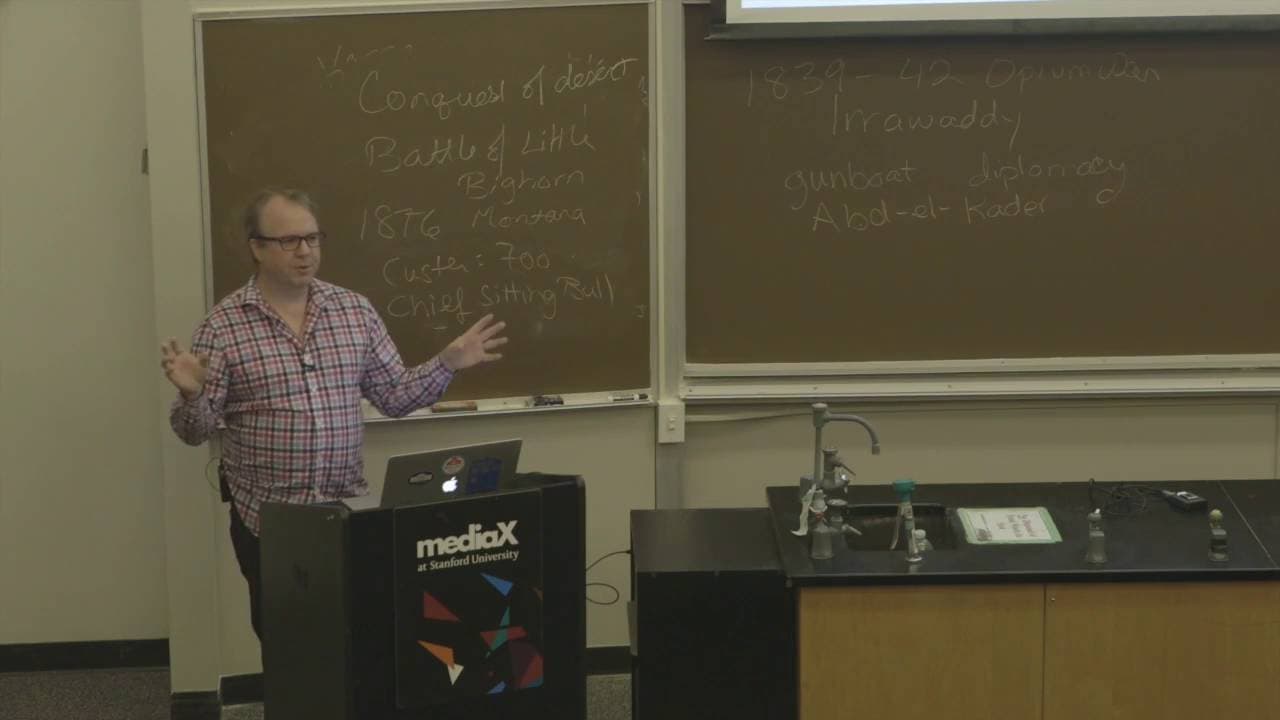
This talk explores the journey of a game design industry veteran turned educator and the challenges and insights gained from teaching game design to students.
Transcript
he is as a 20-year veteran of the professional commercial game industry he has worked in many studios among them Universal Studios sony computer entertainment and also Electronic Arts he was also an adjunct professor and the university of southern california and the School of Cinematic Arts and he's generally interested in the creative process and ... Read More
Key Insights
- 👾 Game design education requires a balance between teaching technical skills and fostering 21st-century skills.
- 👻 Designing emergent gameplay involves linking multiple simple systems together, allowing for unpredictable outcomes.
- 🎮 Experience design is crucial in creating engaging gameplay by understanding how to evoke specific emotions in players.
- 👾 Building games based on meaningful choices and desired emotions can lead to innovative and impactful game experiences.
Install to Summarize YouTube Videos and Get Transcripts
Explore YouTube Video Summarizer or Get YouTube Transcript Extractor
Questions & Answers
Q: How does the speaker define a video game?
The speaker defines a video game as an interactive system with loops of activity, designed to create an experience in the player's mind and heart.
Q: How can game design education bridge the gap between industry and academia?
Game design education can bridge the gap by teaching both the technical skills needed for game development and the 21st-century skills such as collaboration, problem-solving, and critical thinking necessary for success in the industry.
Q: How can game designers create emergent gameplay experiences?
Game designers can create emergent gameplay experiences by linking multiple simple game systems together, allowing for unpredictable outcomes and player choices that generate emergent behavior.
Q: How does the speaker approach teaching game design to students?
The speaker focuses on teaching game design through a project-based curriculum, starting with emotions and building game mechanics and features that evoke those emotions. The goal is to create a series of meaningful choices for the player.
Summary & Key Takeaways
-
The speaker is a 20-year veteran of the game design industry and has worked at various studios, including Universal Studios and Electronic Arts.
-
He is now a program director at UC Santa Cruz, teaching game design and exploring the intersection of games and learning.
-
The speaker discusses the two basic models of learning - apprenticeship and academic progression - and their relevance in game design education.
-
He shares insights on how to build a credible game design curriculum and discusses the importance of understanding game mechanics, emergence, experience design, and creating meaning through gameplay.
Read in Other Languages (beta)
Share This Summary 📚
Summarize YouTube Videos and Get Video Transcripts with 1-Click
Try YouTube Summary with ChatGPT & Claude or YouTube Transcript Generator
Explore More Summaries from Stanford 📚






Summarize YouTube Videos and Get Video Transcripts with 1-Click
Try YouTube Summary with ChatGPT & Claude or YouTube Transcript Generator