What Is Neural Media and How Is It Transforming Identity?
TL;DR
Neural media represents a new wave of cultural and artistic expression, emerging from AI and technology, that reshapes identity formation. It emphasizes the need for an embedded identity that incorporates non-human intelligence and ecological perspectives, allowing individuals to interact with and respond to a data-driven understanding of culture.
Transcript
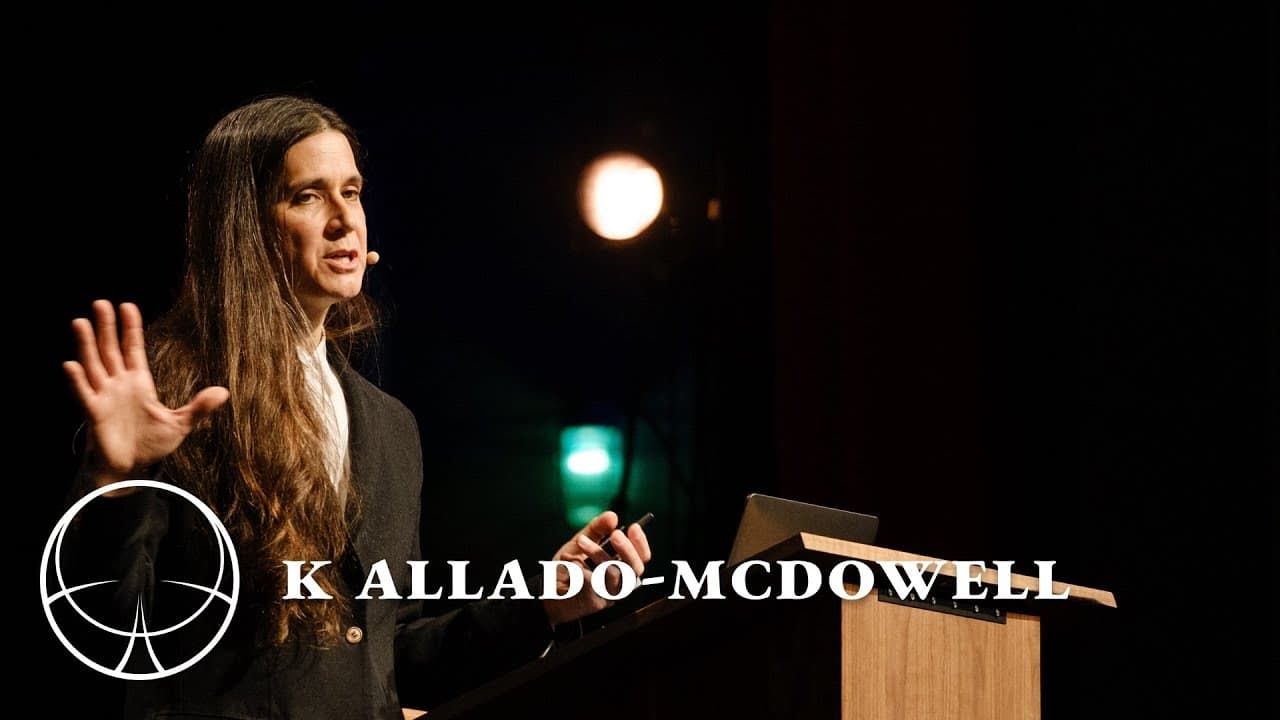
good evening and welcome to the long now Foundation my name is Patrick Dow and I'm the board president of the long now Foundation I'm very pleased to introduce this evening's speaker K alato McDow who is somebody who sees our culture as one that is erupting into a new age of creative practice that they call Neural media in their view we are in the ... Read More
Key Insights
- 🔉 Neural media embodies a shift towards a more interactive, data-driven understanding of culture and identity, reflecting contemporary societal dynamics.
- 🎁 The historical evolution of media from broadcast to network informs our approach to creativity and technology in the present day.
- 🤩 A key aspect of neural media lies in its potential to create personalized experiences, fostering a deeper connection between individuals and content.
- 🥰 The concept of authorship in art is evolving as AI technologies facilitate new modes of collaboration and artistic expression.
- 💍 Engaging with neural media through an ecological framework encourages responsibility towards both technology and nature.
- 🔉 Awareness of how personal identity is influenced by statistical modeling in media is essential in navigating today's digital landscape.
- 🚱 McDow suggests integrating non-human intelligence into AI systems to enrich our understanding and appreciation of biodiversity.
Install to Summarize YouTube Videos and Get Transcripts
Explore YouTube Video Summarizer or Get YouTube Transcript Extractor
Questions & Answers
Q: What is neural media and how does it differ from previous media forms?
Neural media is defined as a high-dimensional media form that includes AI technologies and biometric data to shape our cultural identity. In contrast to previous media forms like broadcast or immersive media, which were more one-dimensional and centralized, neural media leverages data and interactivity, allowing for a more personalized and complex construction of identity.
Q: How does McDow relate historical media evolution to current trends in digital culture?
McDow draws parallels between the evolution of media—specifically moving from broadcast media to immersive and then to network media—and how these transitions have influenced contemporary identity. Each phase introduces new central themes and requires us to understand cultural dynamics and power relations uniquely tied to technological advancements.
Q: What challenges does neural media present regarding authorship and creativity?
Neural media complicates traditional notions of authorship and creativity, as AI can quickly generate content, raising questions about originality and context. McDow points out that context and meaning-making are critical for artists creating alongside AI, emphasizing that the role of the artist involves refining generative outputs into significant cultural expressions.
Q: In what ways is ecological consciousness integrated into the concept of neural media?
McDow advocates for viewing neural media through an ecological lens, suggesting that our consumption and creation of media should be aware of their environmental implications. This perspective encourages recognizing surrounding ecosystems, human behavior, and the responsibility to foster a more balanced relationship with the natural world through media.
Q: How can neural media foster an understanding of non-human intelligence?
McDow suggests that neural media can help shift our focus from human-centered narratives to a broader ecological understanding. By training AI systems to recognize and value different forms of non-human intelligence, such as those found in the natural world, we may develop more insightful and relational perspectives in our media practices.
Q: What is the significance of embedding identity in statistical systems?
The embedding of identity in statistical systems means that our self-perception and societal roles are mediated through algorithms that shape how we are viewed and interacted with. This can lead to both positive and negative outcomes for individuals, underscoring the need for awareness of how our engagement with media affects our identities.
Q: What potential for artistic expression does McDow see in the discussion of AI?
McDow envisions that AI presents significant potential for artistic expression by enabling new forms of collaboration and creativity. However, the challenge lies in creating meaningful contexts for AI-generated content, ensuring that artists can leverage these technologies to articulate new narratives and engage audiences in compelling ways.
Summary & Key Takeaways
-
K. Alato McDow introduces the concept of neural media as a transformative force, emerging from AI and other technologies to reshape artistic practices and identity formation in today’s culture.
-
The presentation traces the evolution of media from broadcast and immersive media to network media, stressing how these transformations affect our perception of identity and cultural interaction.
-
Emphasizing the role of AI, McDow highlights the necessity for a new embedded identity that includes non-human intelligence and reflects a broader ecological understanding.
Read in Other Languages (beta)
Share This Summary 📚
Summarize YouTube Videos and Get Video Transcripts with 1-Click
Try YouTube Summary with ChatGPT & Claude or YouTube Transcript Generator
Explore More Summaries from The Long Now Foundation 📚





Summarize YouTube Videos and Get Video Transcripts with 1-Click
Try YouTube Summary with ChatGPT & Claude or YouTube Transcript Generator