How Does the F-16 Achieve Superior Maneuverability?
TL;DR
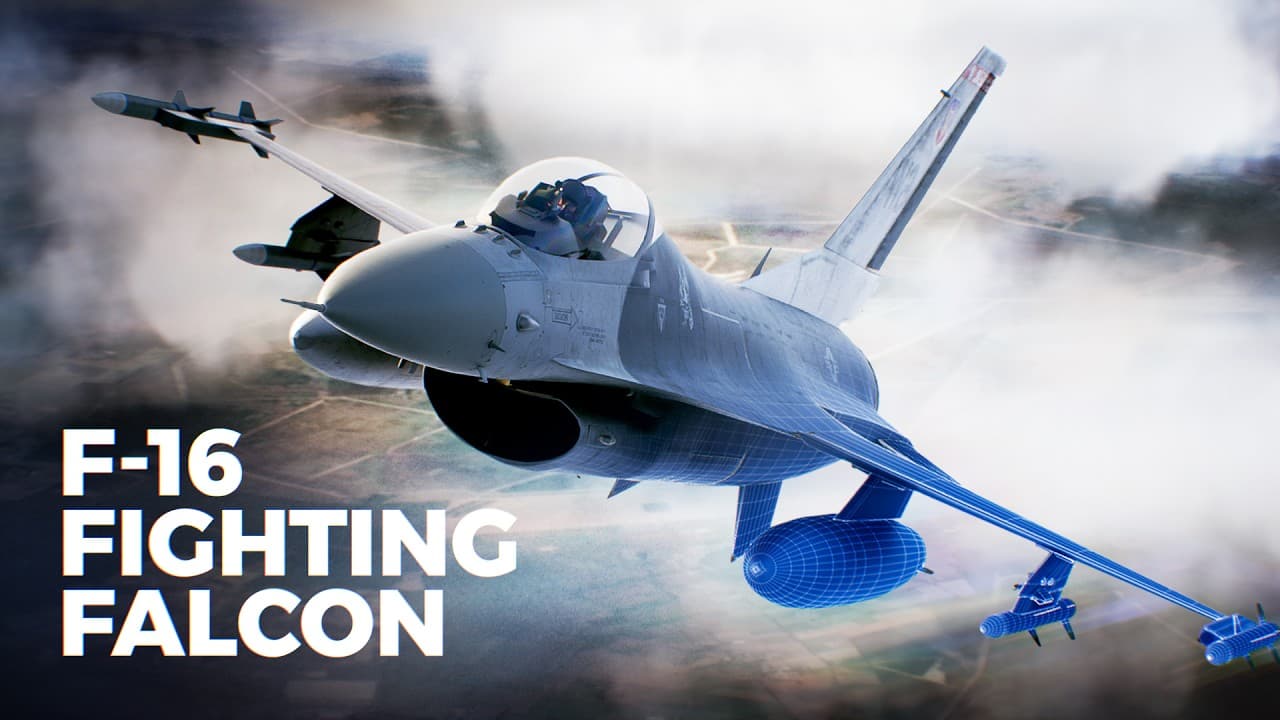
The F-16 is engineered for superior maneuverability with its energy-maneuverability concept, making it a formidable fighter jet. Its design includes a fly-by-wire system, a reclined pilot seat for increased g-tolerance, and a unique air intake system. These innovations allow the F-16 to efficiently manage energy, enabling high-speed, agile maneuvers critical in air combat scenarios.
Transcript
This video is brought to you by Nebula. Watch our bonus videos with F-16 test pilot David Kern by signing up to Nebula for only 2.50 a month. A fully loaded F-16 is a force to be reckoned with. An air superiority machine that countries the world over use to patrol their skies. A low cost, lightweight, single engine fighter, specifically designed to... Read More
Key Insights
- The F-16's design was influenced by the energy-maneuverability concept, optimizing its performance in dogfights.
- Energy management is crucial for the F-16, allowing pilots to maintain maneuverability during combat.
- The F-16's fly-by-wire system enhances control, allowing for precise maneuvers without the mechanical linkages of older aircraft.
- A 30-degree reclined seat in the F-16 increases pilot g-tolerance, reducing the effects of high g-forces during maneuvers.
- The F-16's air intake is designed to optimize airflow at subsonic speeds, enhancing its performance in typical combat situations.
- The aircraft's leading edge strakes and flaps improve lift and delay stall, crucial for high-angle attack maneuvers.
- A side-mounted control stick allows for better control during high g-maneuvers, enhancing pilot comfort and effectiveness.
- The F-16's M61 Vulcan cannon is integrated into the fuselage, providing offensive capability with minimal aerodynamic drag.
Install to Summarize YouTube Videos and Get Transcripts
Explore YouTube Video Summarizer or Get YouTube Transcript Extractor
Questions & Answers
Q: How does the F-16 manage energy during combat?
The F-16 manages energy using the energy-maneuverability concept, which optimizes its performance by efficiently trading speed and altitude. The fly-by-wire system aids in precise control, allowing pilots to maintain speed and maneuverability. This system helps pilots make quick directional changes with minimal energy input, crucial for maintaining an advantage in dogfights.
Q: What role does the fly-by-wire system play in the F-16?
The fly-by-wire system in the F-16 replaces traditional mechanical linkages with electronic controls, allowing for more precise and responsive maneuvering. This system processes pilot inputs and adjusts control surfaces automatically, enhancing stability and performance. It also prevents the aircraft from exceeding its design limits, ensuring safe operation during high-stress maneuvers.
Q: Why is the F-16's seat reclined at 30 degrees?
The F-16's seat is reclined at 30 degrees to increase the pilot's g-tolerance, reducing the effects of high g-forces encountered during maneuvers. This position helps prevent blood from pooling in the lower extremities, maintaining blood flow to the brain and reducing the risk of g-induced loss of consciousness. The recline also fits the pilot comfortably within the aircraft's compact fuselage.
Q: How does the F-16's air intake design benefit its performance?
The F-16's air intake is optimized for subsonic speeds, enhancing its performance in typical combat scenarios. Unlike older aircraft with complex intake designs for high-speed flight, the F-16's intake ensures efficient airflow to the engine, maintaining performance during high-angle maneuvers. This design choice prioritizes agility and energy management over maximum speed.
Q: What is the purpose of the F-16's leading edge strakes?
The leading edge strakes on the F-16 enhance lift and delay stall during high-angle attack maneuvers. They create vortices that energize airflow over the wings, allowing the aircraft to maintain lift and control at higher angles of attack. This feature is crucial for executing tight turns and maintaining maneuverability in combat.
Q: How does the F-16's M61 Vulcan cannon integrate into its design?
The M61 Vulcan cannon is integrated into the F-16's fuselage to minimize aerodynamic drag while providing offensive capability. This six-barrel rotary cannon fires 20mm rounds at a high rate, offering effective firepower in air-to-air and air-to-ground engagements. Its integration ensures the F-16 remains agile and capable of precision targeting in combat.
Q: What are the benefits of the F-16's side-mounted control stick?
The side-mounted control stick in the F-16 provides ergonomic benefits, allowing pilots to control the aircraft comfortably during high g-maneuvers. This positioning reduces pilot fatigue and enhances control precision, especially when performing complex maneuvers. The setup contributes to the aircraft's overall agility and pilot effectiveness in combat situations.
Q: How does the F-16's design enhance its maneuverability?
The F-16's design enhances maneuverability through its energy-maneuverability concept, fly-by-wire system, and unique airframe features. Its lightweight structure, advanced aerodynamics, and relaxed static stability allow for rapid directional changes with minimal energy input. These elements combine to make the F-16 highly agile, capable of outperforming adversaries in dogfights.
Summary & Key Takeaways
-
The F-16's design prioritizes maneuverability and energy management, key for air superiority in combat. Its fly-by-wire system, energy-maneuverability concept, and unique air intake design enhance its agility and performance. The pilot's 30-degree reclined seat and side-mounted control stick improve g-tolerance and control, while the integrated M61 Vulcan cannon provides effective offensive capability.
-
The F-16 emerged from a need for a lightweight, maneuverable fighter jet capable of outperforming adversaries in close-quarters combat. Its engineering innovations, such as the fly-by-wire system and energy-maneuverability concept, allow it to execute high-speed maneuvers efficiently. The aircraft's design optimizes airflow and lift, ensuring superior performance in various combat scenarios.
-
Pilots benefit from the F-16's advanced design, which includes a reclined seat for increased g-tolerance and a side-mounted control stick for better handling during high g-maneuvers. The aircraft's integrated M61 Vulcan cannon offers offensive power with minimal drag, making the F-16 a versatile and formidable fighter jet in modern air combat.
Read in Other Languages (beta)
Share This Summary 📚
Summarize YouTube Videos and Get Video Transcripts with 1-Click
Try YouTube Summary with ChatGPT & Claude or YouTube Transcript Generator
Explore More Summaries from Real Engineering 📚






Summarize YouTube Videos and Get Video Transcripts with 1-Click
Try YouTube Summary with ChatGPT & Claude or YouTube Transcript Generator