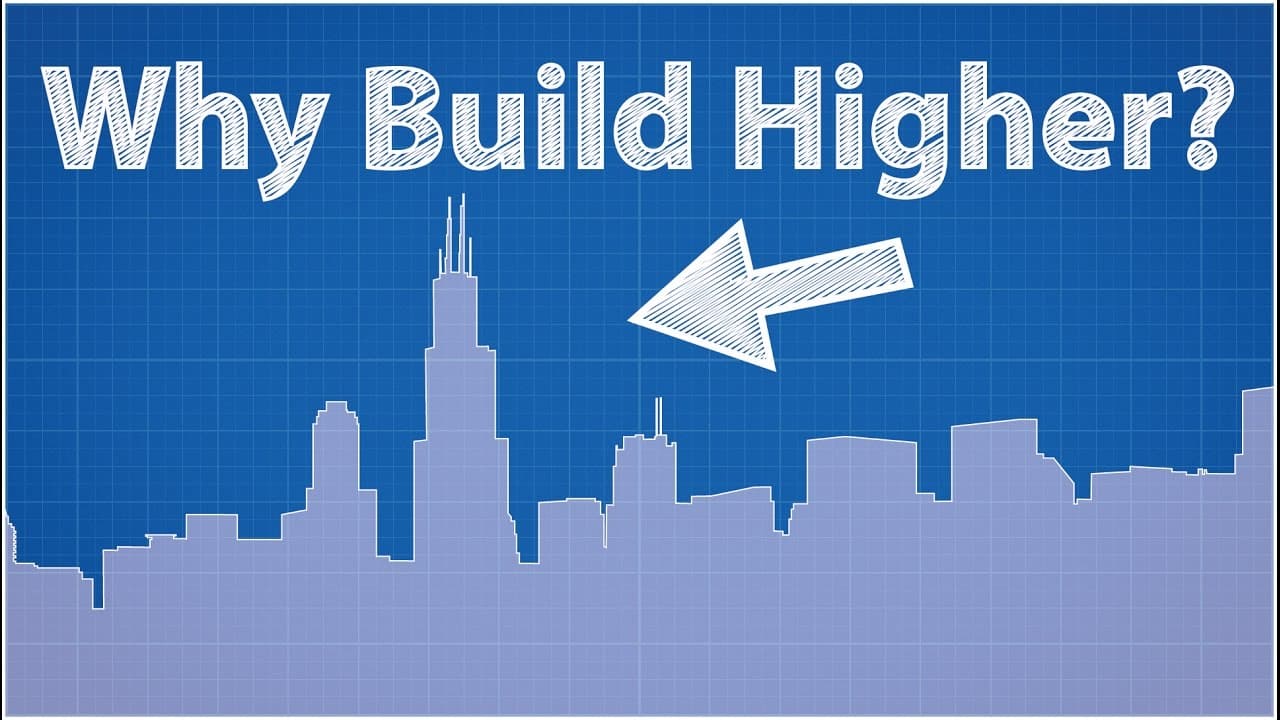
Why Build Higher?
TL;DR
Explores the historical and modern reasons for building skyscrapers.
Transcript
For years in the western world. It was thought to be blasphemous to build higher than the a church spire. The stories of the old testament warned against reaching too close to the heavens. The builders of the tower of Babel declared: “Come, let us build us a city and a tower with its top in the heavens. And let us make a name for ourselves, lest we... Read More
Key Insights
- Historically, building heights were limited by religious beliefs, with church spires being the tallest structures in many cities.
- The New York World Building's construction in 1890 marked the end of cathedral-dominated skylines, driven by practical space needs.
- Hong Kong's tall buildings are a result of limited land space, pushing vertical growth to accommodate population density.
- Urban sprawl leads to increased commute times, dependency on cars, and environmental impacts, highlighting the need for sustainable city planning.
- LEED certification promotes resource-efficient buildings, with Taipei 101 being a prime example of sustainable high-rise architecture.
- Skyscrapers offer economic benefits by offsetting land costs, with fixed costs being spread over multiple floors.
- City planning and zoning regulations, like those in New York, play a significant role in determining building heights and urban design.
- Paris and other cities face challenges in balancing preservation with modern growth, as seen in the gentrification and housing affordability issues.
Install to Summarize YouTube Videos and Get Transcripts
Explore YouTube Video Summarizer or Get YouTube Transcript Extractor
Questions & Answers
Q: Why were buildings historically limited in height?
Historically, buildings were limited in height due to religious beliefs that deemed it blasphemous to build higher than a church spire. This was rooted in stories like the Tower of Babel from the Old Testament, where reaching too close to the heavens was considered a sin against God. As a result, church spires remained the tallest structures in many Western cities for centuries.
Q: What practical reasons drive the construction of skyscrapers?
The practical reasons for constructing skyscrapers include the need to maximize limited land space in densely populated urban areas. Building vertically allows cities to accommodate more residents and businesses without expanding outward, which can lead to urban sprawl. This vertical growth helps meet the demands for space in cities like New York and Hong Kong, where land is scarce and expensive.
Q: How does urban sprawl impact cities and their residents?
Urban sprawl impacts cities by increasing commute times and car dependency, leading to environmental issues such as pollution and inefficient resource use. It also creates challenges in providing adequate public transportation to far-flung suburban areas. This sprawl can affect residents' quality of life, as longer commutes are linked to decreased happiness and increased stress.
Q: What role does LEED certification play in urban architecture?
LEED certification promotes sustainable building practices by assessing resource efficiency in construction, energy use, and water management. Buildings like Taipei 101, which received LEED's highest certification, demonstrate the benefits of sustainable design. They reduce environmental impact by minimizing water consumption and energy use, contributing to a more sustainable urban environment.
Q: What economic benefits do skyscrapers offer?
Skyscrapers offer economic benefits by spreading fixed costs, such as land and design expenses, over multiple floors. This makes high-rise buildings economically advantageous, as the cost per unit of space decreases with height. Additionally, skyscrapers allow for more efficient land use in densely populated areas, providing more space for businesses and residents without expanding the city's footprint.
Q: How do zoning regulations affect building heights?
Zoning regulations significantly impact building heights by setting limits on how tall structures can be in certain areas. For example, New York's zoning laws historically restricted building heights to prevent overshadowing and maintain sunlight access. These regulations balance urban growth with preserving city character, but overly restrictive rules can hinder modernization and contribute to issues like housing shortages.
Q: What challenges do cities like Paris face in urban development?
Cities like Paris face challenges in balancing preservation with modern growth. Height restrictions and resistance to change have led to housing shortages and rising property prices, pushing working-class residents to the outskirts. This gentrification creates social disparities and tensions, highlighting the need for thoughtful urban planning that accommodates growth while preserving historical character.
Q: How can cities balance preservation and growth in urban planning?
Balancing preservation and growth requires flexible urban planning that accommodates modern needs while respecting historical character. Cities can achieve this by designating specific areas for high-rise development, as seen in Paris' La Défense district. Encouraging sustainable architecture and revising outdated zoning laws can also facilitate growth without compromising a city's cultural and aesthetic values.
Summary & Key Takeaways
-
The video explores the historical context of building heights, where religious beliefs limited construction to below church spires. The New York World Building's completion in 1890 marked a shift towards practical vertical growth in urban areas.
-
Hong Kong exemplifies how limited land space drives cities to build taller structures to accommodate growing populations. This contrasts with urban sprawl, which leads to increased commute times and environmental issues due to car dependency.
-
Sustainable architecture, like LEED-certified buildings, offers environmental and economic benefits. However, city planning and zoning regulations, such as those in New York and Paris, significantly impact urban growth and the balance between preservation and development.
Read in Other Languages (beta)
Share This Summary 📚
Summarize YouTube Videos and Get Video Transcripts with 1-Click
Try YouTube Summary with ChatGPT & Claude or YouTube Transcript Generator
Explore More Summaries from Real Engineering 📚





Summarize YouTube Videos and Get Video Transcripts with 1-Click
Try YouTube Summary with ChatGPT & Claude or YouTube Transcript Generator