How to Optimize Google Search Rankings
TL;DR
To improve search rankings, focus on creating high-quality content and ensure your website is technically sound. Regularly update your site and use structured data correctly. Understand that SEO is a gradual process, and changes might take time to reflect in search results.
Transcript
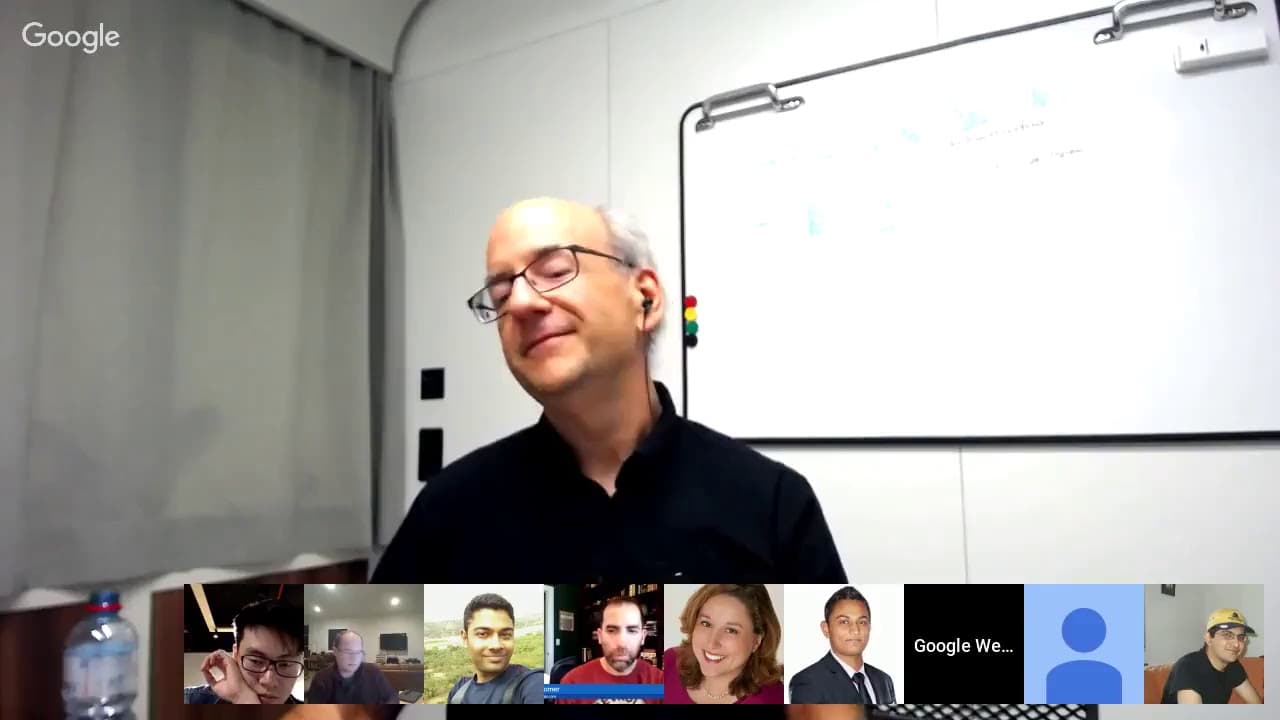
JOHN MUELLER: All right. Welcome everyone to today's Google Webmaster Central office hours hangout. My name is John Mueller. I'm a webmaster trends analyst here at Google in Switzerland. And part of what we do at these webmaster hangouts, where publishers, webmasters can join in and ask any search, webmaster related questions that they might have. ... Read More
Key Insights
- John Mueller is a webmaster trends analyst at Google in Switzerland.
- Webmaster hangouts allow publishers to ask search and webmaster-related questions.
- Google's algorithms are continuously updated, not on a fixed schedule.
- Structured data must be technically correct, policy-compliant, and on a high-quality site.
- Site navigation types don't significantly affect SEO if they are usable.
- Content silos may not be as beneficial as maintaining a single, coherent site.
- Google treats singular and plural keywords based on historical data and synonym recognition.
- AMP pages improve user experience with speed but don't directly boost rankings.
Install to Summarize YouTube Videos and Get Transcripts
Explore YouTube Video Summarizer or Get YouTube Transcript Extractor
Questions & Answers
Q: How does Google update its algorithms?
Google's algorithms are continuously updated without a fixed schedule. This means changes can occur at any time as Google re-crawls and re-indexes the web. The updates depend on various factors, including website quality and content changes. As such, it's important for webmasters to regularly maintain and improve their sites to align with these updates.
Q: What factors affect the effectiveness of structured data?
For structured data to be effective, it must be technically correct, comply with Google's policies, and be implemented on a high-quality site. Technical correctness ensures the data passes Google's testing tools. Policy compliance involves using the appropriate markup for the right type of content. Lastly, the site must be of sufficient quality for Google to trust and utilize the structured data.
Q: Does the type of site navigation affect SEO?
The type of site navigation does not significantly affect SEO as long as it is usable. Google can crawl and index sites with various navigation structures, such as mega menus or dropdowns. The key concern is ensuring that the navigation is well-structured and logical, allowing both users and search engines to easily access and understand the site's content.
Q: What is the impact of AMP pages on search rankings?
AMP pages improve user experience by making pages load faster, which can indirectly benefit search rankings through improved user engagement. However, AMP itself does not directly boost search rankings. It is a tool to enhance the speed and performance of web pages, which can lead to better user satisfaction and potentially more favorable search engine outcomes over time.
Q: How does Google handle singular and plural keywords?
Google treats singular and plural keywords based on historical data and synonym recognition. The search engine does not have specific algorithms to linguistically analyze queries but rather uses past usage patterns to determine if singular and plural forms are interchangeable. Sometimes, they are treated similarly, while in other cases, they may be handled separately if Google has not recognized them as synonyms.
Q: What are content silos and are they beneficial for SEO?
Content silos refer to organizing content into distinct, thematic sections or niche sites. While they can help with organization, Google often recommends against creating multiple niche sites. Instead, it is usually more beneficial to maintain a single, comprehensive site. This approach simplifies maintenance, builds brand awareness, and allows for a more cohesive user experience, which can be advantageous for SEO.
Q: How does Google handle the indexing of pages with canonical tags?
Google indexes pages with canonical tags by recognizing the canonical version specified by the site. If a page has a canonical tag pointing to another URL, Google will generally index the canonical URL instead of the page with the tag. This helps prevent duplicate content issues and ensures that the most relevant version of a page is prioritized in search results.
Q: How can webmasters identify which images are indexed by Google?
Webmasters can identify indexed images by using site queries in Google Image Search, although this method may not always be precise. Additionally, ensuring images have contextual information, like descriptive text and titles, can aid in their indexing. Providing rich content around images helps Google understand and rank them appropriately in image search results.
Summary & Key Takeaways
-
Google's algorithms update regularly without a fixed schedule, and changes in website quality can take time to reflect in search rankings. Structured data should be technically correct, policy-compliant, and on a high-quality site to be effective. Content silos might not be as beneficial as maintaining a cohesive site.
-
AMP pages enhance user experience by improving speed but do not directly influence search rankings. Google's understanding of singular and plural keywords relies on historical data and synonym recognition. Site navigation types don't significantly impact SEO as long as they are usable.
-
Webmaster hangouts provide a platform for publishers to ask questions about search and webmaster topics. John Mueller, a Google webmaster trends analyst, emphasizes creating high-quality content and ensuring a technically sound website for better search rankings.
Read in Other Languages (beta)
Share This Summary 📚
Summarize YouTube Videos and Get Video Transcripts with 1-Click
Try YouTube Summary with ChatGPT & Claude or YouTube Transcript Generator
Explore More Summaries from Google Search Central 📚


Summarize YouTube Videos and Get Video Transcripts with 1-Click
Try YouTube Summary with ChatGPT & Claude or YouTube Transcript Generator