What Went Wrong with Forensic Science in Stinson's Case?
TL;DR
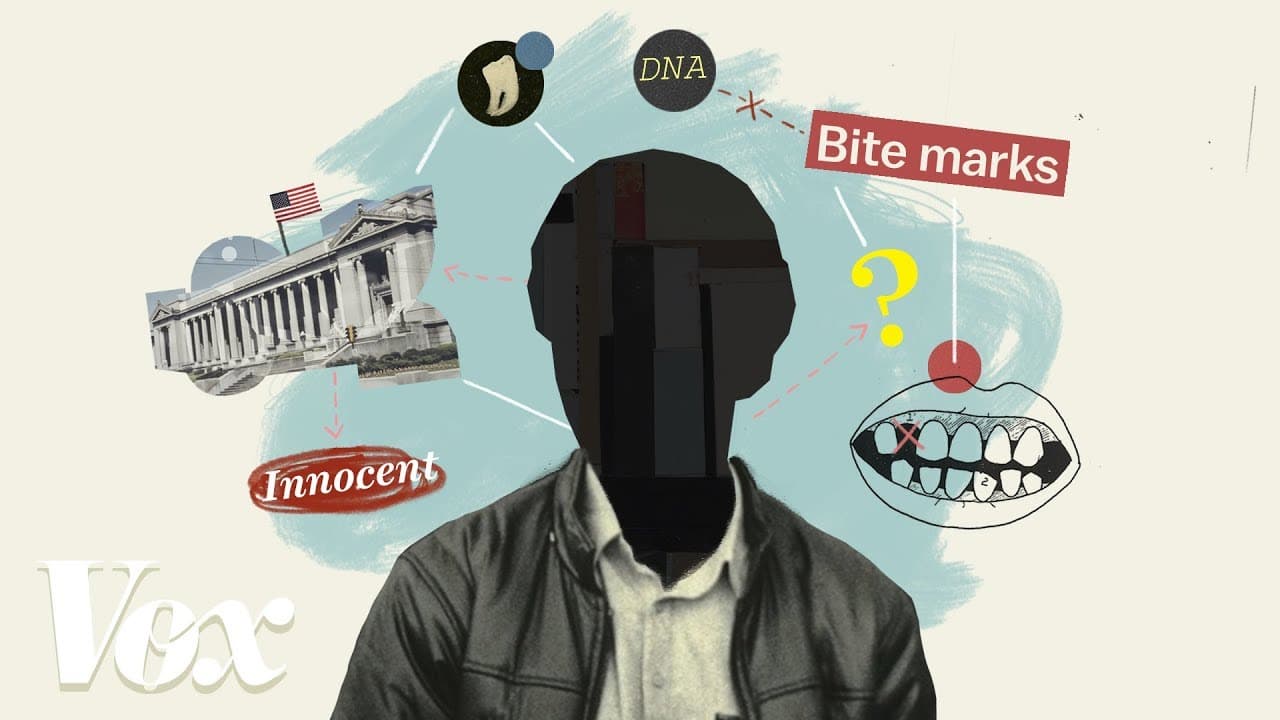
Robert Lee Stinson was wrongfully convicted based on unreliable bite mark evidence, highlighting significant flaws in forensic science practices. The absence of scientific validation and the judicial system's reliance on precedent allowed an untested method to convict him. His eventual exoneration through DNA evidence underscores the urgent need for reform and empirical research in forensic disciplines to prevent future miscarriages of justice.
Transcript
At 6:45 in the morning of November 3, 1984, a man walked into a police station on the north side of Milwaukee to report that he’d found what appeared to be a body, lying in a lot near his home. That’s where police discovered 63-year-old Ione Cychosz, wearing only “a pair of white socks and a left shoe.” Her blue shirt and bra were pulled up behind ... Read More
Key Insights
- Robert Lee Stinson was wrongfully convicted due to unreliable bite mark evidence analyzed by forensic odontologists, highlighting flaws in forensic science practices.
- The judicial system's reliance on precedent rather than scientific validity allowed untested forensic methods like bite mark analysis to be accepted in court.
- Forensic sciences like bite mark analysis lack foundational scientific research, leading to subjective assessments and potential errors in criminal cases.
- The Daubert ruling aimed to ensure expert testimony was scientifically valid but allowed judges flexibility, often resulting in unreliable evidence being admitted.
- Public defenders often lack resources to challenge faulty forensic evidence, placing defendants at a disadvantage in adversarial legal systems.
- DNA evidence, unlike other forensic methods, provides quantifiable and reliable results, leading to the exoneration of wrongfully convicted individuals like Stinson.
- The 2009 National Academy of Sciences report called for more scientific research in forensic disciplines, but significant progress has been slow due to institutional resistance.
- Without systematic evaluation of forensic methods, wrongful convictions like Stinson's remain a risk, underscoring the need for reform in forensic science practices.
Install to Summarize YouTube Videos and Get Transcripts
Explore YouTube Video Summarizer or Get YouTube Transcript Extractor
Questions & Answers
Q: What led to Robert Lee Stinson's wrongful conviction?
Robert Lee Stinson was wrongfully convicted due to the forensic odontologists' analysis of bite marks found on the victim. The evidence was deemed admissible despite lacking scientific validation, as the judicial system relied on precedent rather than empirical research. This resulted in Stinson's 23-year imprisonment for a crime he did not commit.
Q: How did the documentary highlight flaws in forensic science?
The documentary highlighted flaws in forensic science by showcasing the lack of scientific research supporting bite mark analysis, which led to Stinson's wrongful conviction. It emphasized the subjective nature of pattern-matching disciplines and the judicial system's acceptance of untested methods, calling for reforms to ensure scientific validation in forensic practices.
Q: What role did DNA evidence play in Stinson's case?
DNA evidence played a crucial role in exonerating Robert Lee Stinson. Unlike bite mark analysis, DNA provides quantifiable and reliable results. The DNA found on the victim's clothing did not match Stinson's, leading to his release after 23 years. This highlighted the need for scientifically validated methods in forensic science to prevent wrongful convictions.
Q: What recommendations did the National Academy of Sciences report make?
The National Academy of Sciences report recommended more scientific research in forensic disciplines, emphasizing the need for empirical studies to validate forensic methods. It called for a new federal agency to direct and fund forensic science research, aiming to establish a scientific authority for the criminal justice system. However, significant progress has been slow due to institutional resistance.
Q: How did the judicial system's reliance on precedent affect Stinson's case?
The judicial system's reliance on precedent allowed untested forensic methods like bite mark analysis to be accepted in court, contributing to Stinson's wrongful conviction. Precedent prioritizes consistency over scientific validity, leading to the admission of unreliable evidence without empirical support. This reliance on past decisions hindered the adoption of scientifically validated forensic practices.
Q: What challenges do public defenders face in forensic cases?
Public defenders often face challenges in forensic cases due to limited resources, making it difficult to challenge faulty forensic evidence. They may lack the funding to hire independent experts, placing defendants at a disadvantage in adversarial legal systems. This highlights the need for reliable forensic methods and systemic reforms to ensure fair trials.
Q: Why is scientific validation important in forensic science?
Scientific validation is crucial in forensic science to ensure the accuracy and reliability of evidence used in criminal cases. Without empirical research and error rate studies, forensic methods risk producing incorrect results, leading to wrongful convictions. Validated methods, like DNA analysis, provide quantifiable evidence, reducing the likelihood of miscarriages of justice.
Q: What systemic reforms are needed in forensic science?
Systemic reforms in forensic science should include the establishment of a federal agency to oversee and fund empirical research, ensuring methods are scientifically validated. This would involve conducting error rate studies and developing standardized protocols. Additionally, reforms should address the judicial system's reliance on precedent, encouraging the adoption of reliable forensic practices to prevent wrongful convictions.
Summary & Key Takeaways
-
The documentary 'False Positive' investigates the wrongful conviction of Robert Lee Stinson, who spent 23 years in prison based on faulty bite mark evidence. It examines the systemic issues within forensic science and the judicial system that contributed to his conviction and highlights the need for scientific validation in forensic practices.
-
The film outlines how forensic odontologists used subjective bite mark analysis to convict Stinson, despite the lack of scientific research supporting its accuracy. The judicial system's reliance on precedent allowed this untested method to be admitted in court, leading to Stinson's wrongful imprisonment.
-
DNA evidence eventually exonerated Stinson, demonstrating the reliability of scientifically validated methods. The documentary calls for reforms in forensic science, emphasizing the importance of empirical research and the need for a robust scientific foundation in forensic disciplines to prevent future miscarriages of justice.
Read in Other Languages (beta)
Share This Summary 📚
Summarize YouTube Videos and Get Video Transcripts with 1-Click
Try YouTube Summary with ChatGPT & Claude or YouTube Transcript Generator
Explore More Summaries from Vox 📚



Summarize YouTube Videos and Get Video Transcripts with 1-Click
Try YouTube Summary with ChatGPT & Claude or YouTube Transcript Generator