How Can Gamification Change Behavior at Work?
TL;DR
Gamification uses game mechanics like points, leaderboards, and badges to enhance engagement and drive behavior change in the workplace. By integrating these elements into business operations, organizations can make work more enjoyable and effective, aligning tasks with personal motivation and providing real-time feedback on performance.
Transcript
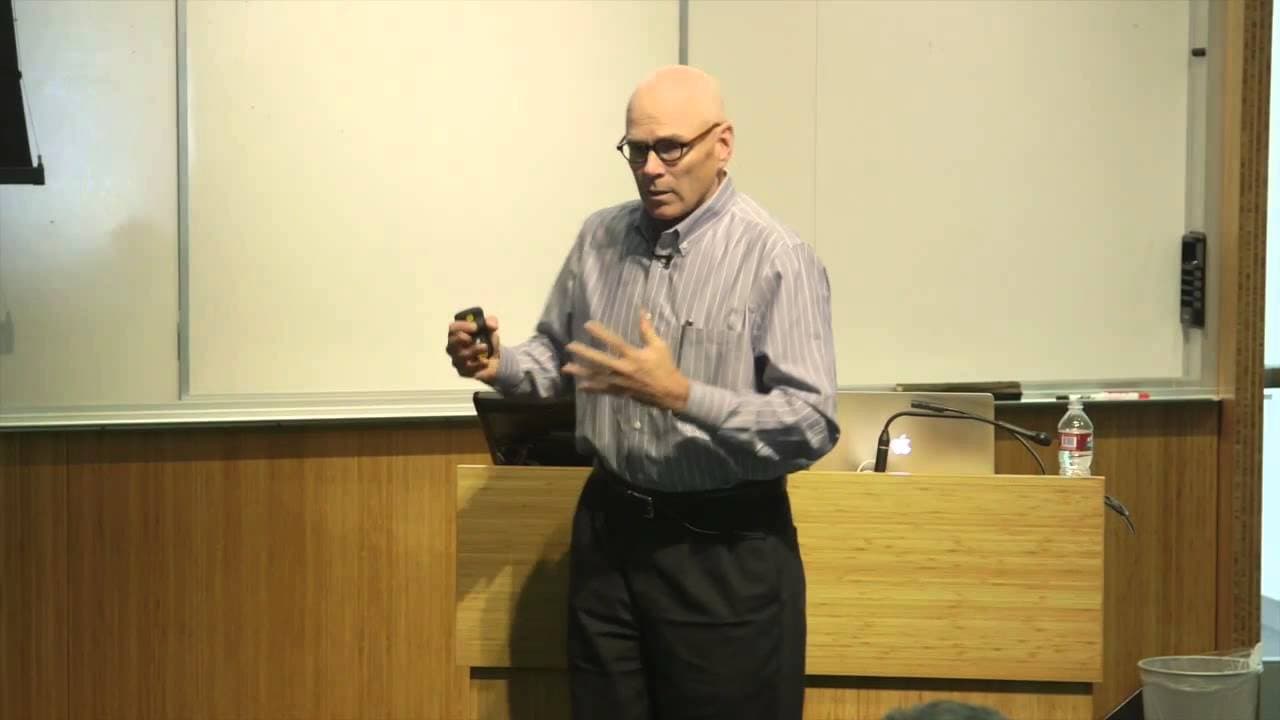
it's a pleasure to introduce today's speaker Byron Reeves who is the Paul Edwards professor here at Stanford in communication and he is a primary research interest is in mass communication and specifically understandable psychological effects that aspect to go along with interactive media and his work has actually influenced the range of products f... Read More
Key Insights
- 👾 Gamification leverages game mechanics to drive behavior change and engagement in various industries.
- 👾 The complexity and engagement of games can be applied to real-world situations to make work and learning more enjoyable and effective.
- 🧑🎓 Businesses and educational institutions are increasingly adopting gamification strategies to motivate employees and students and improve overall performance.
- ❓ Gamification can be personalized and tailored to individual preferences, fostering a sense of ownership and motivation.
- 🥅 Analytics and data tracking are crucial in measuring the effectiveness of gamification initiatives in achieving specific goals.
- 🤗 The use of mobile devices has opened up new possibilities for gamification, allowing individuals to engage with games anytime, anywhere.
- 😒 Bring Your Own Device (BYOD) policies can further enhance the integration of gamification into various industries, as individuals can use their personal devices for gamified experiences.
Install to Summarize YouTube Videos and Get Transcripts
Explore YouTube Video Summarizer or Get YouTube Transcript Extractor
Questions & Answers
Q: How did gamification become a popular concept in various industries?
Gamification gained popularity due to its ability to drive behavior change and engage users with interactive media. It provided a way to make work and learning more enjoyable and effective.
Q: How can gamification be applied in the business world?
Gamification can be used in the business world to improve employee engagement, productivity, and performance. By using game mechanics like leader boards and rewards, companies can motivate employees to achieve their goals and improve their performance.
Q: What are some examples of successful gamification in business?
Best Buy implemented a game where employees could simulate running their own store, which improved their understanding of the business and motivated them to perform better. Target also used gamification to improve employee efficiency at checkout counters by rewarding them for scanning items quickly.
Q: How can gamification be used in educational settings?
Gamification can be used in education to make learning more engaging and interactive. By incorporating game elements like points, badges, and challenges, students can be motivated to learn and track their progress.
Summary & Key Takeaways
-
Professor Byron Reeves discusses the rise of gamification in various industries, such as business and education.
-
Gamification taps into the psychological effects of interactive media, creating engaging experiences that lead to behavior change.
-
Complex games like World of Warcraft inspired researchers to explore how game elements can be applied to real-world situations, such as work and learning.
Read in Other Languages (beta)
Share This Summary 📚
Summarize YouTube Videos and Get Video Transcripts with 1-Click
Try YouTube Summary with ChatGPT & Claude or YouTube Transcript Generator
Explore More Summaries from Stanford 📚






Summarize YouTube Videos and Get Video Transcripts with 1-Click
Try YouTube Summary with ChatGPT & Claude or YouTube Transcript Generator